A connoisseur’s guide to the Venice Biennale is less about “seeing everything” and more about cultivating a sensibility—moving through the city as both flâneur and critic, letting art, architecture, and atmosphere converse across time.

Understanding the Biennale Rhythm
The Biennale unfolds across two primary realms:
Giardini della Biennale – a leafy enclave of permanent national pavilions, where geopolitics meets architecture. Here, each pavilion is a self-contained identity.
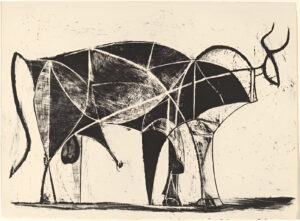
Arsenale – a vast, linear procession of immersive exhibitions housed in former shipyards. It unfolds more like a modernist sequence, at times as reductive and forceful as The Bull (Le taureau) by Pablo Picasso—a stripping down to essence, gesture, and raw idea. A seasoned visitor approaches them differently: Giardini as a diplomatic conversation; Arsenale as a narrative that gathers intensity.
Curate Your Own Experience
Each edition is shaped by a central exhibition, but the true magic lies in the collateral events scattered across Venice—palazzos, churches, and forgotten interiors temporarily reanimated.
Move through them as you would a sequence of images:
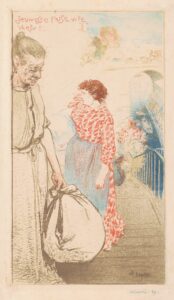
The fleeting vitality of youth in Jeunesse passe vite vertu…. by Auguste Lepère
The quiet geometry of domestic craft in Panel from Rug
The theatrical intensity of Richard Wagner and His Genius from Scenes of Rheingold by Henri Fantin-Latour

Prioritize:
2–3 national pavilions you care about
The central curated exhibition
A handful of off-site shows in unexpected venues
Leave space for serendipity—the Biennale rewards drift.
Where Art Meets Architecture (and Where to Stay)
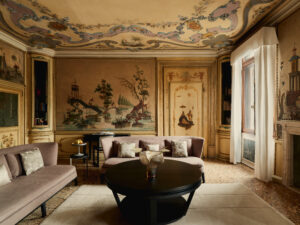
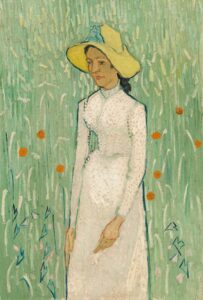
Venice itself is the silent protagonist. Even your interiors echo art history. Aman Venice – less a hotel than a private palazzo. Its frescoed rooms recall the layered intimacy of Girl in White—a quiet presence, luminous yet restrained.
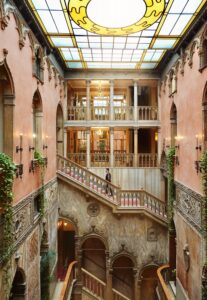
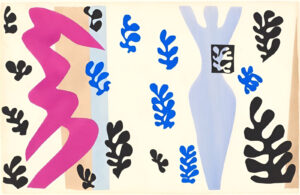
Hotel Danieli – Gothic theatricality on the lagoon. One enters as if stepping into a staged composition, not unlike The Knife Thrower by Henri Matisse—poised, dramatic, alive with tension.
Beyond hotels:
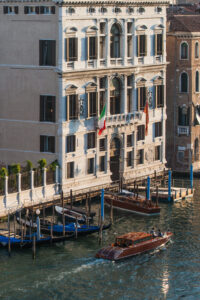
Palazzo Grassi
Punta della Dogana
These spaces remind you that exhibition-making is itself an art form.
The Art of Pacing
A connoisseur never rushes.
Day 1–2: Giardini (morning), Arsenale (afternoon)
Day 3+: Collateral events, revisits, wandering
Think of pacing like brushwork in La Mousmé—rhythmic, intentional, alive to shifts in mood. Or like the observational stillness of A Street, Tunis, where atmosphere accumulates slowly.
Break often. Reflection is part of the work.
The Rituals Between Viewing
Art is only half the ritual.
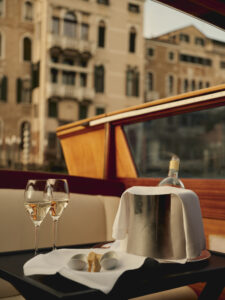
Aperitivo along the canals
Quiet espresso pauses
Long, decompressive lunches
Recommended stops:
Cantine del Vino già Schiavi
Osteria alle Testiere
Caffè Florian
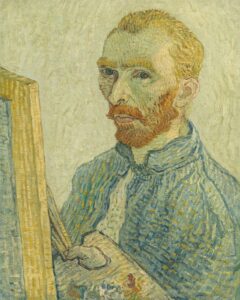
Between exhibitions, you begin to notice faces, gestures—like stepping briefly into the psychological interior of Portrait of Vincent van Gogh.
Moving Through the City
Avoid treating Venice like a checklist.
Walk whenever possible. Get lost deliberately.
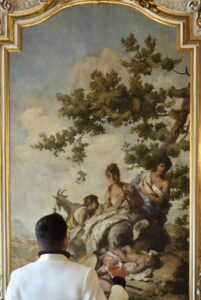
Let the city unfold like a composition—at times as structured as a Renaissance profile, at others as fragmented and expressive as modernism. Venice teaches you how to see by slowing you down.
How to Look Like a Collector (Even If You’re Not)
Spend time with fewer works
Trust your eye before the wall text
Return to what lingers
Observe other viewers
Engagement is an art in itself—whether before a tapestry fragment or a monumental installation.
Evenings: Where the Art World Breathes
During opening weeks, Venice becomes a social organism:
Palazzo gatherings and private views
Conversations spilling into piazzas
Late walks along quiet canals
The emotional tenor shifts—closer, perhaps, to the charged presence of a staged scene or the distilled symbolism of a single figure under light.
Raven’s Philosophy
The Venice Biennale is not a museum visit—it’s a state of mind. Embrace slowness. Let confusion coexist with clarity. Allow the city itself to curate your journey. Because in the end, the most memorable work of art may not hang on a wall—it may be the rhythm of your days, the echo of images—Picasso’s bull, Matisse’s performer, Van Gogh’s figures—and the rooms you return to at night, frescoed and watchful, holding the quiet afterimage of everything you’ve seen.
By: Lucas Raven