Some places have festivals. Others have fireworks. And then there is Punakha Drubchen, where Bhutan politely reminds the modern world that history is not a museum exhibit—it’s a full-contact sport. Every February–March, in the improbably serene valleys of Bhutan, just when you thought winter was for hibernating and herbal tea, the past straps on chainmail and reports for duty.
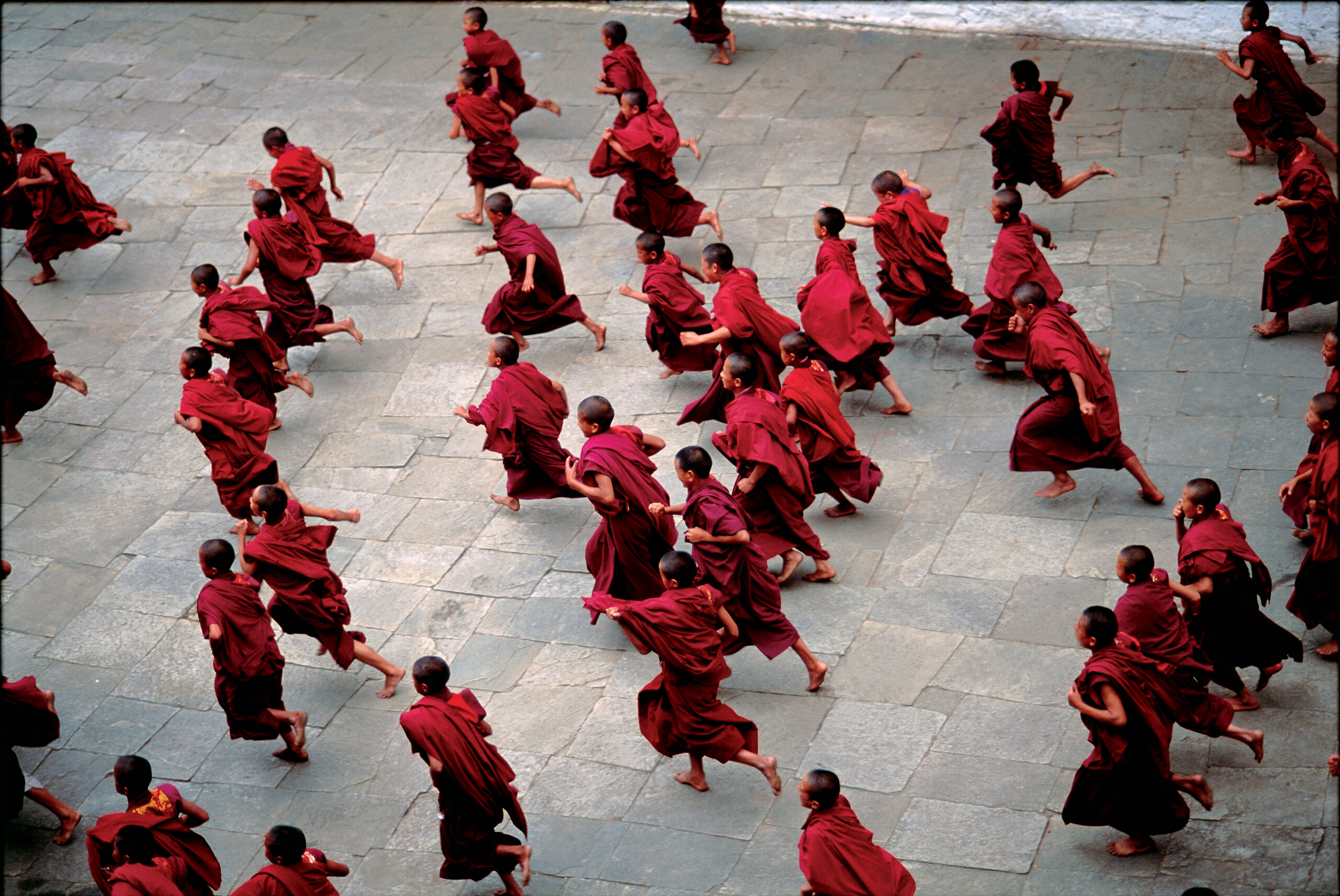
History, but Make It Intense
Set against the architectural gravitas of Punakha Dzong, the festival commemorates Bhutan’s 17th-century victory over Tibetan invaders and honours the man who more or less invented the Bhutanese state, Zhabdrung Ngawang Namgyal.
Unlike the region’s more choreographed masked dances (graceful, photogenic, hashtag-friendly), this is something else entirely. Local men known as pazapsappear in traditional battle dress—chainmail, boots, swords—and proceed to reenact the historic conflict with a realism that makes you instinctively check your travel insurance.
There is no theatrical wink to the audience. No dramatic pause for Instagram. The movements are deliberate and ancestral, handed down through generations. It feels less like a performance and more like you’ve wandered onto the set of a 17th-century showdown—except no one yells “cut.”
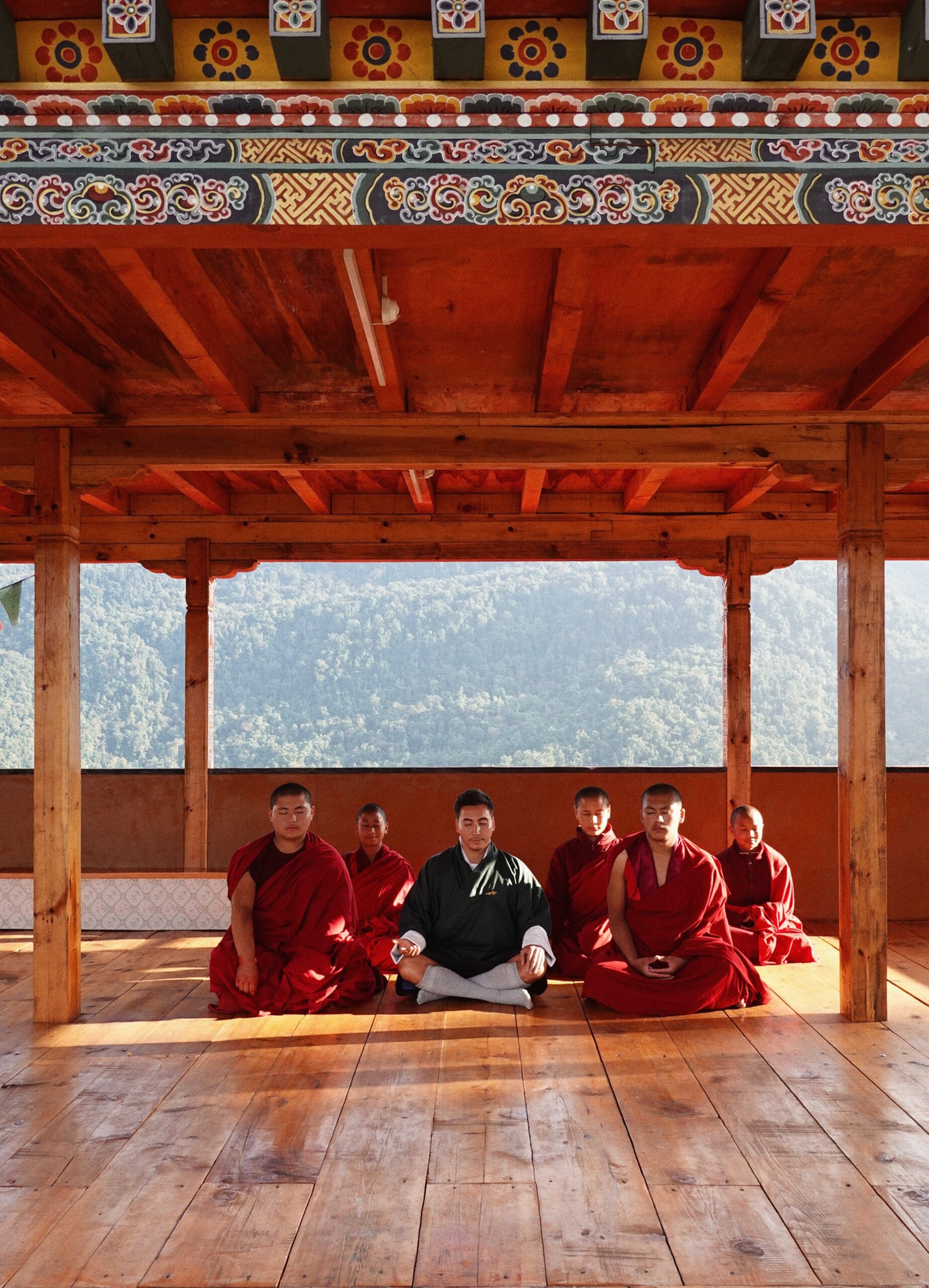
Spirituality, With a Side of Drama
Before you assume this is Himalayan historical cosplay, a gentle correction: at its heart, this festival is profoundly spiritual. The festival is dedicated to Mahakala, Bhutan’s fierce protective deity, proving once and for all that enlightenment and edge can coexist. One of the most arresting moments sees a revered relic ceremonially cast into the river below the dzong—reenacting a decisive turning point in the original battle. It is equal parts symbolism and spectacle: divine intervention, national resilience, and a reminder that sometimes the river carries more than snowmelt.
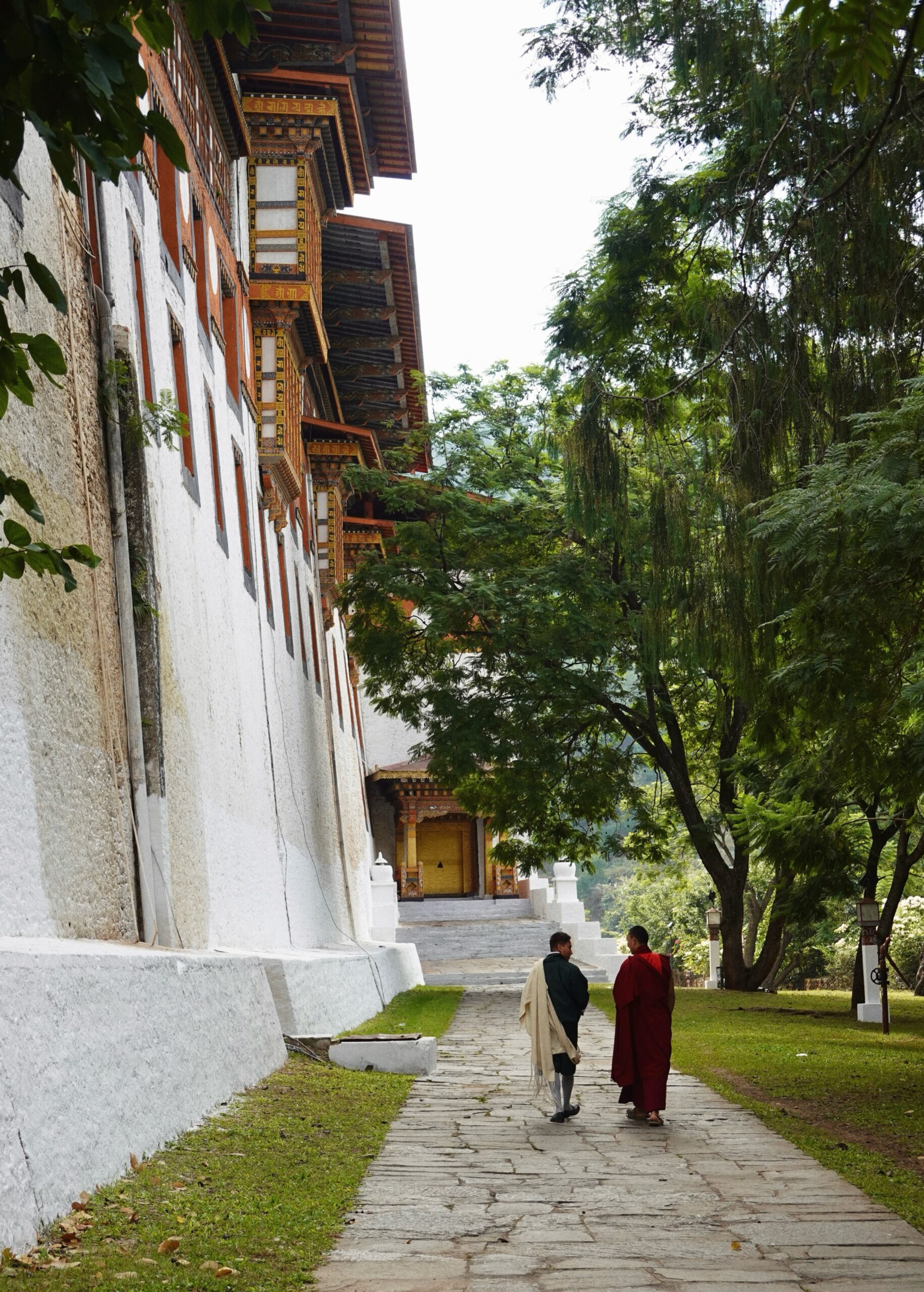
The Setting (Because Of Course)
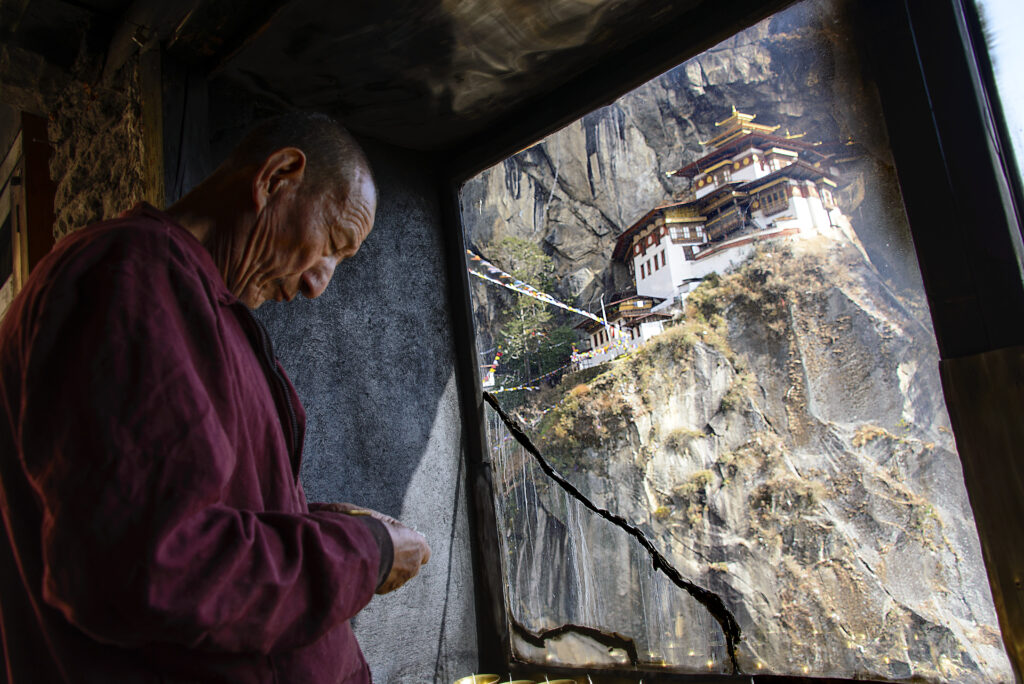
Built in 1637, Punakha Dzong is Bhutan’s second-oldest and largest fortress, perched dramatically at the confluence of two rivers as though fully aware of its own angles. Its whitewashed walls and gilded roofs glow under winter-clear Himalayan skies with the kind of lighting most luxury resorts would charge extra for.
During the Drubchen, its courtyards transform into a living stage where monks, villagers, warriors, and—if you’re feeling poetic—spirits seem to share the same square footage. It’s cinematic, yes. But not curated. Not softened. Not redesigned for visitor comfort.
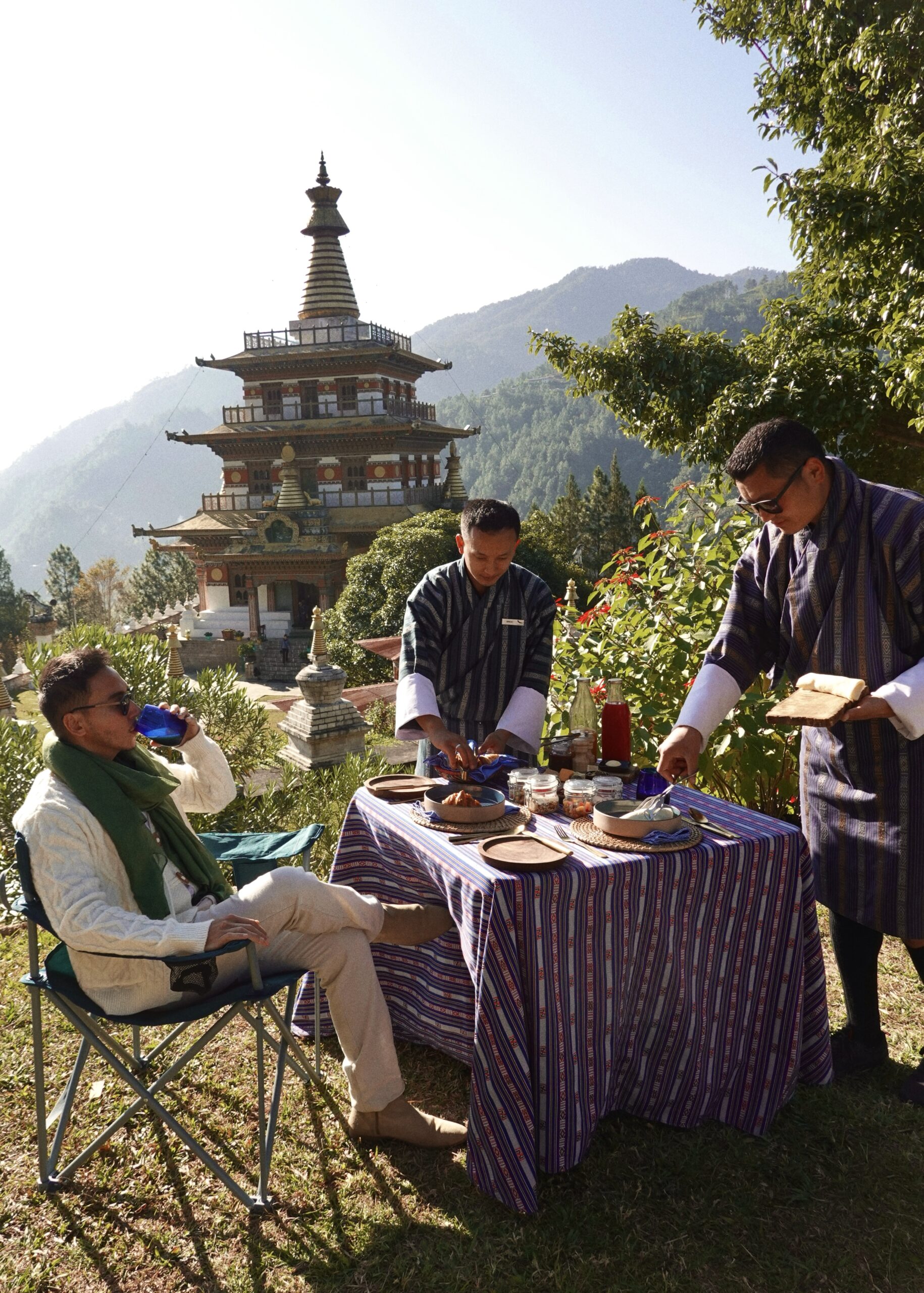
A Different Kind of Luxury
For travellers from the Gulf (or anywhere accustomed to the polished dazzle of modern excess), PunakhaDrubchen offers a bracing counterpoint. No velvet ropes. No VIP lounges. Just faith, family, history, and a community fiercely attached to its story. It’s the kind of cool-season Himalayan escape where “authentic” isn’t a marketing adjective—it’s a national reflex. And it quietly suggests that true luxury may lie less in what is newly unveiled and more in what has been steadfastly preserved.
In a world engineered for spectacle, PunakhaDrubchen remains defiantly real. It does not pivot for visitors. It does not dilute itself for global consumption. It simply unfolds, as it has for centuries, and allows you the privilege of witnessing it. More than a festival, it is a declaration of identity—performed in chainmail. And once seen, it lingers long after your winter tan fades.
By: Lucas Raven