There are cities that whisper sophistication, and then there’s Doha — a city that arrives in a pressed linen suit, wearing niche perfume, asking if you’ve considered investing in contemporary Islamic art. And somewhere in the middle of this polished fever dream sits Park Hyatt Doha: elegant, composed, and so aggressively serene that even your anxiety feels underdressed.
I arrived expecting another luxury hotel in the Gulf. Marble lobby. Neutral tones. Someone handing me a towel infused with a scent called “desert breeze” while whispering “welcome home.” Standard operating procedure.
Instead, Park Hyatt Doha turned out to be something far more dangerous: tasteful.
Doha: The City of Architectural Flexing
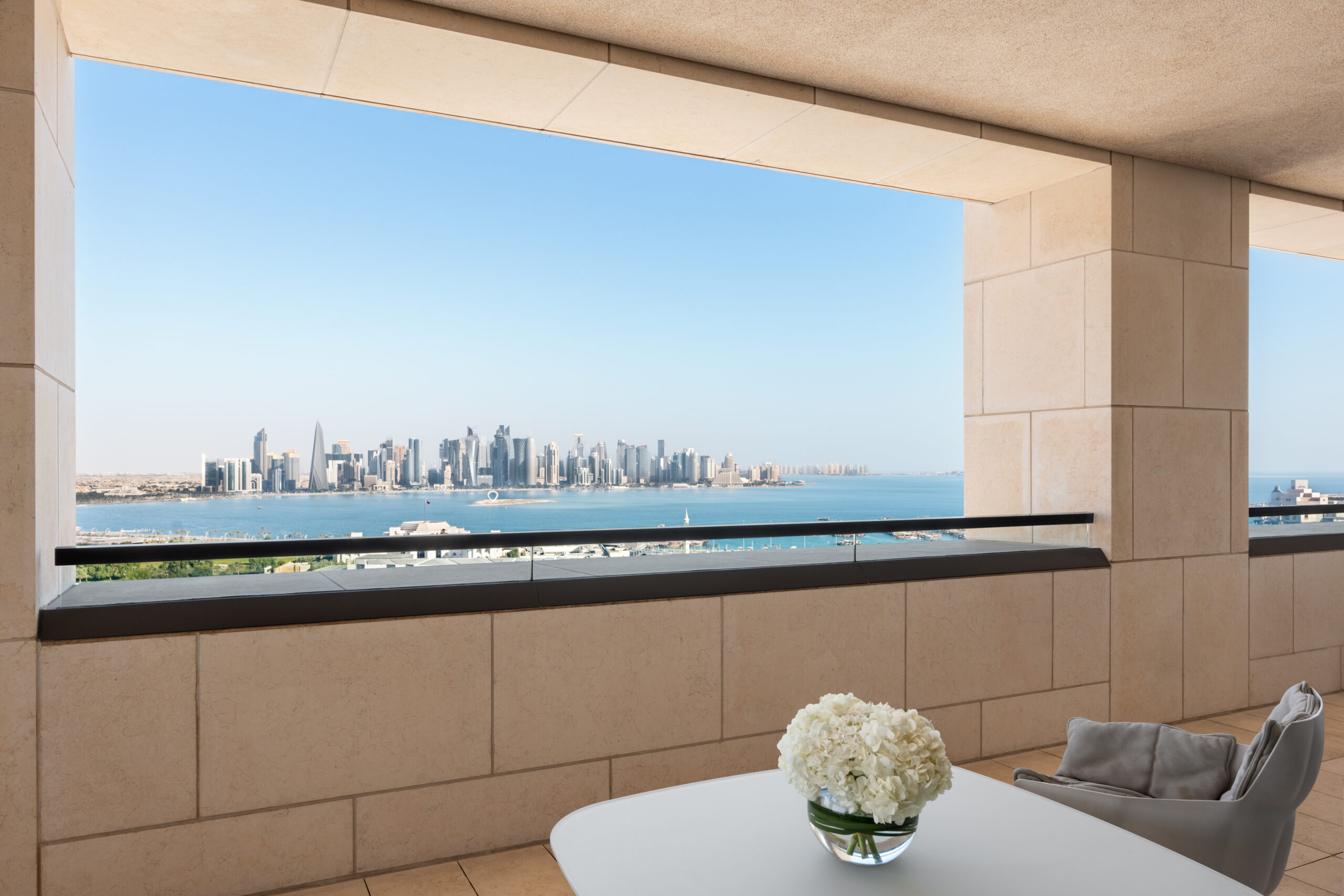
Doha feels like a city designed by someone who discovered both oil wealth and Pinterest at exactly the same time. One moment you’re looking at traditional dhow boats on the Corniche; the next you’re staring at skyscrapers that appear to have been rendered by an architect who lost a bet with gravity. The city moves effortlessly between old-world Gulf heritage and futuristic ambition — often within the same block.
And unlike some regional capitals that feel determined to exhaust you into submission, Doha has a curious sense of calm. It’s wealthy, yes, but not loud about it. More “quiet luxury” than “crypto millionaire.” That calm reaches its peak in Msheireb Downtown, the district where Park Hyatt Doha resides.
Msheireb: The Urban Planning Equivalent of a Cashmere Sweater
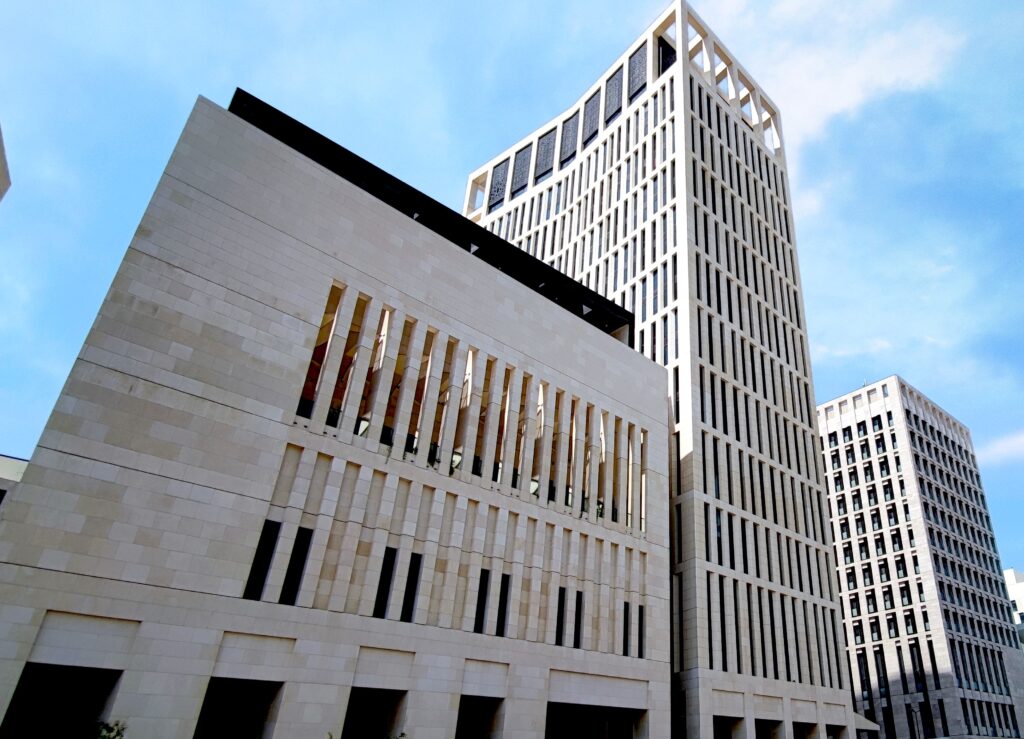
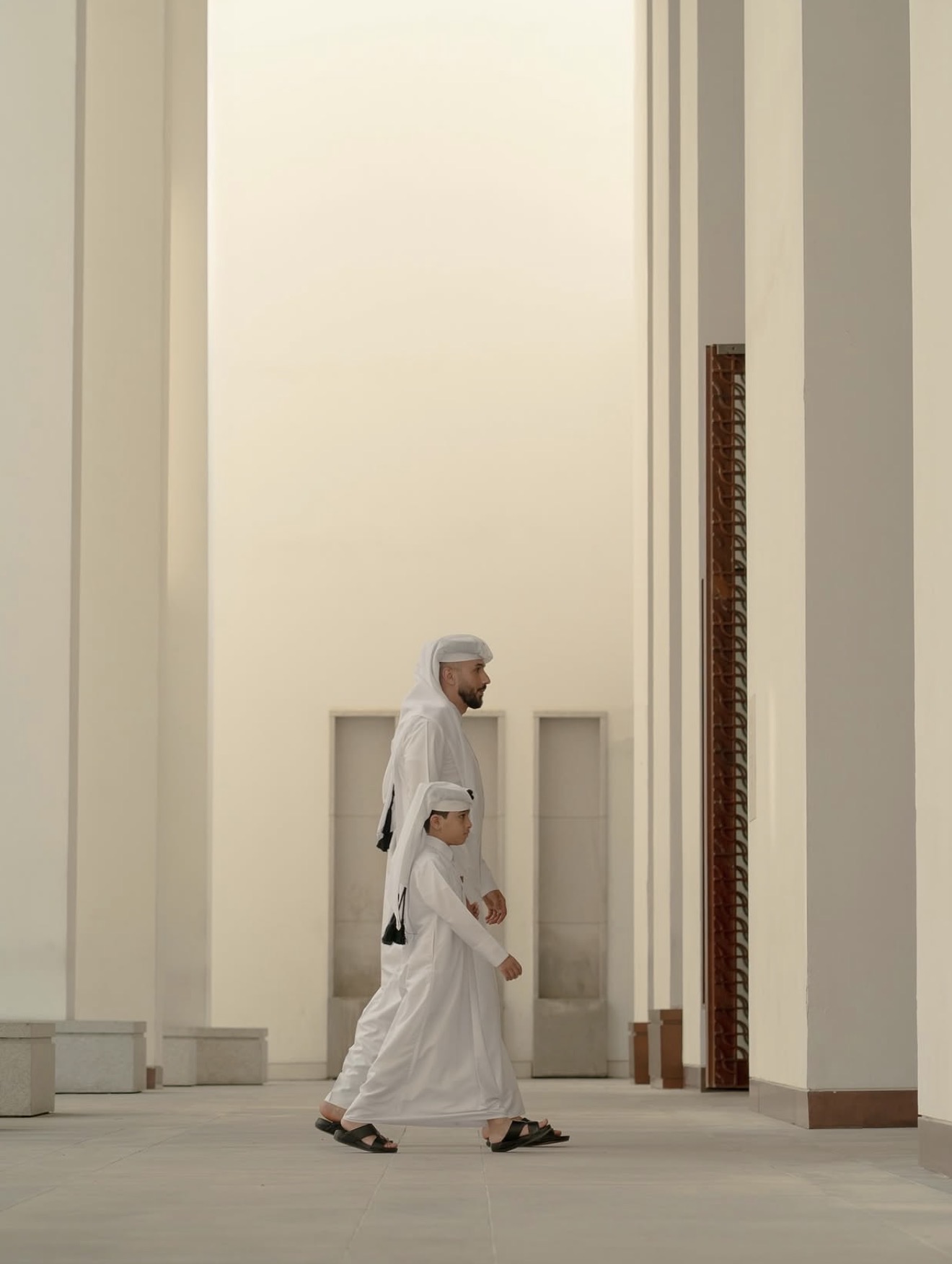
If most modern downtowns are caffeinated, Msheireb is herbal tea. The area is meticulously designed — walkable streets, shaded pathways, low-rise elegance, public art, and enough geometric symmetry to make architecture students spontaneously emotional. It’s traditional Qatari design filtered through modern minimalism, resulting in a neighborhood that feels both deeply local and suspiciously photogenic.
At night, Msheireb glows softly rather than screams for attention. There are cafés full of people pretending not to eavesdrop, discreet boutiques, and residents who somehow always appear freshly moisturized. And then there’s Park Hyatt Doha itself, blending into the district so naturally you almost miss it — until you step inside.
Park Hyatt Doha: Luxury Without the Identity Crisis
Some luxury hotels try very hard to remind you they’re expensive. Park Hyatt Doha doesn’t bother. It already knows. The architecture leans into understated grandeur: high ceilings, warm stone textures, elegant Arabesque influences, and lighting so flattering it could probably heal old emotional wounds. The design language is restrained, intentional, and refreshingly free from gold-plated theatrics. There’s confidence in the silence here.
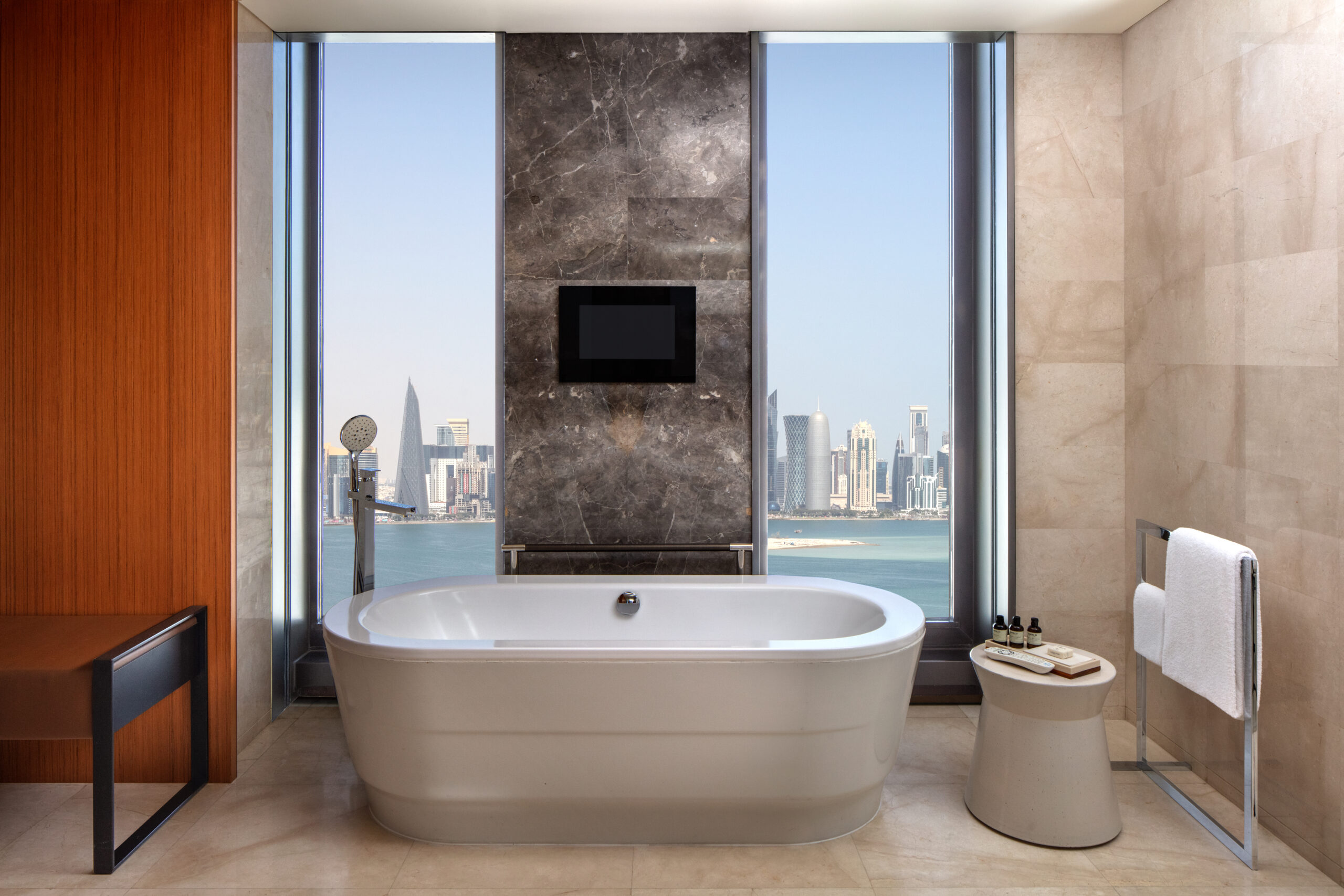
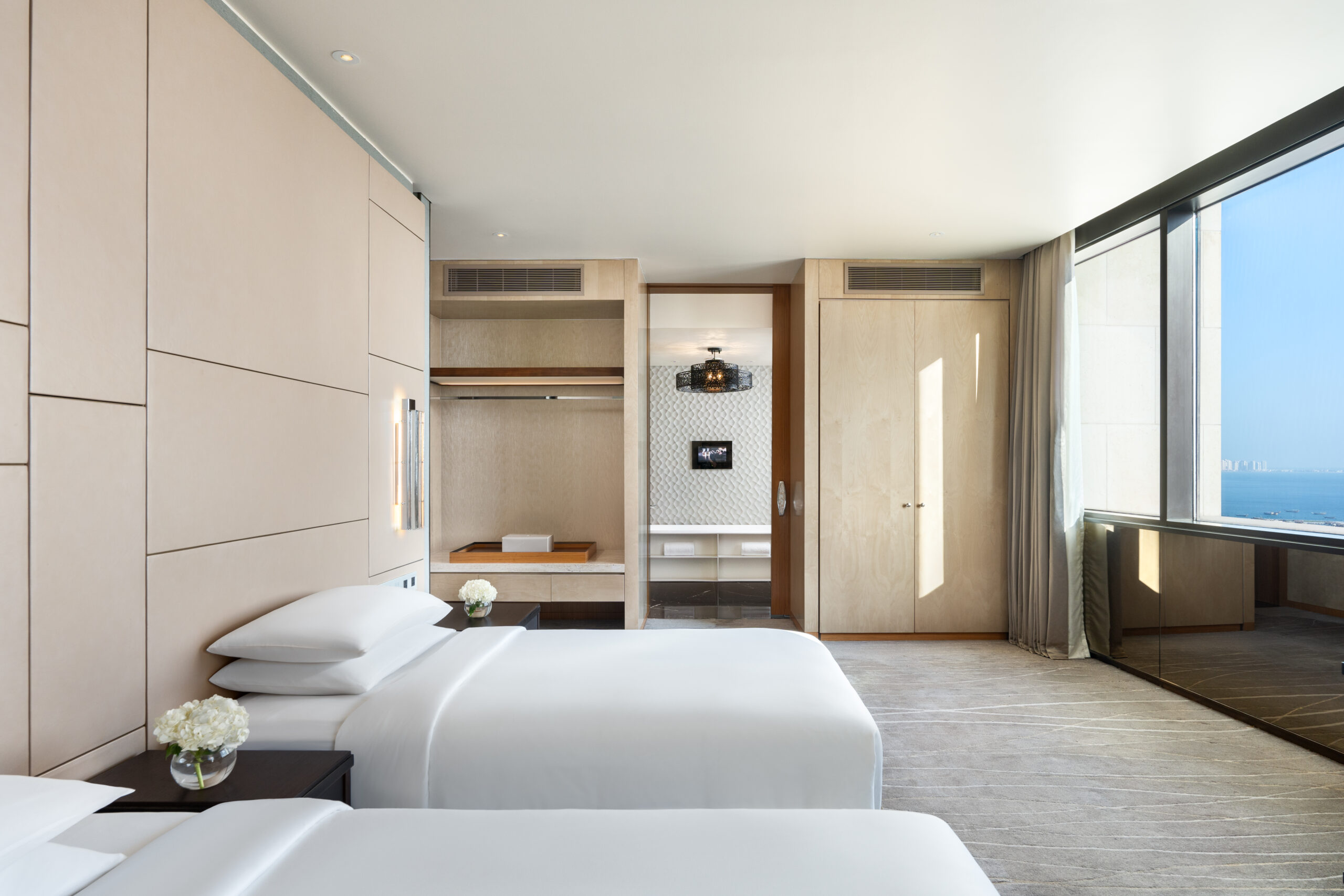
Rooms are expansive without becoming absurdly oversized. The palette is calming — creams, woods, soft metallics — with floor-to-ceiling windows framing Doha’s increasingly cinematic skyline. Bathrooms are practically wellness retreats, complete with deep soaking tubs that encourage the kind of optimism usually reserved for New Year’s resolutions.
Everything feels curated rather than assembled.
And crucially, it feels expensive in the right ways.
The Food & Beverage Situation: Emotionally Supportive Dining
Luxury hotels often promise “world-class dining,” which usually translates to paying AED 140 for a Caesar salad having an existential crisis. Park Hyatt Doha, however, delivers.
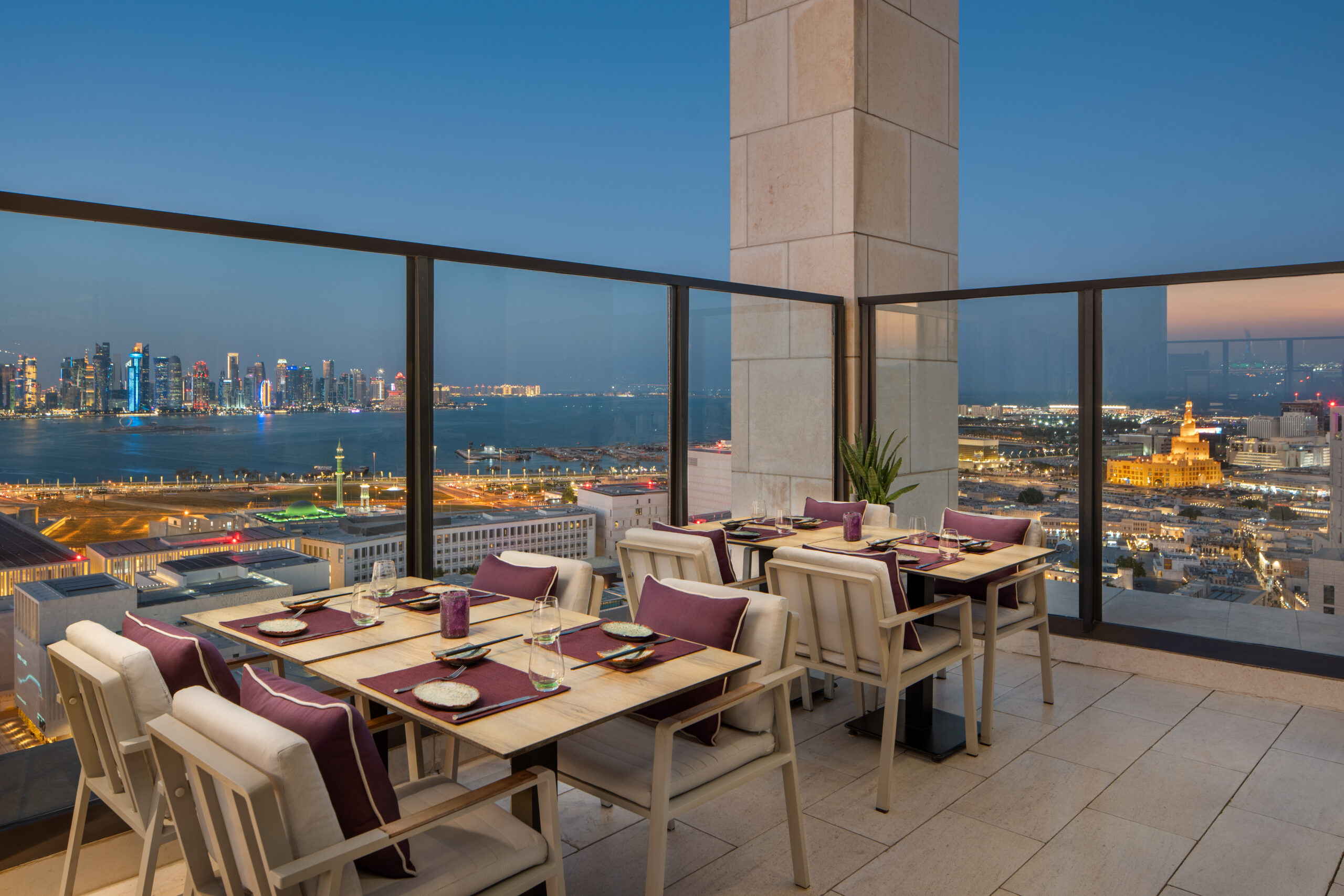
Sora Rooftop
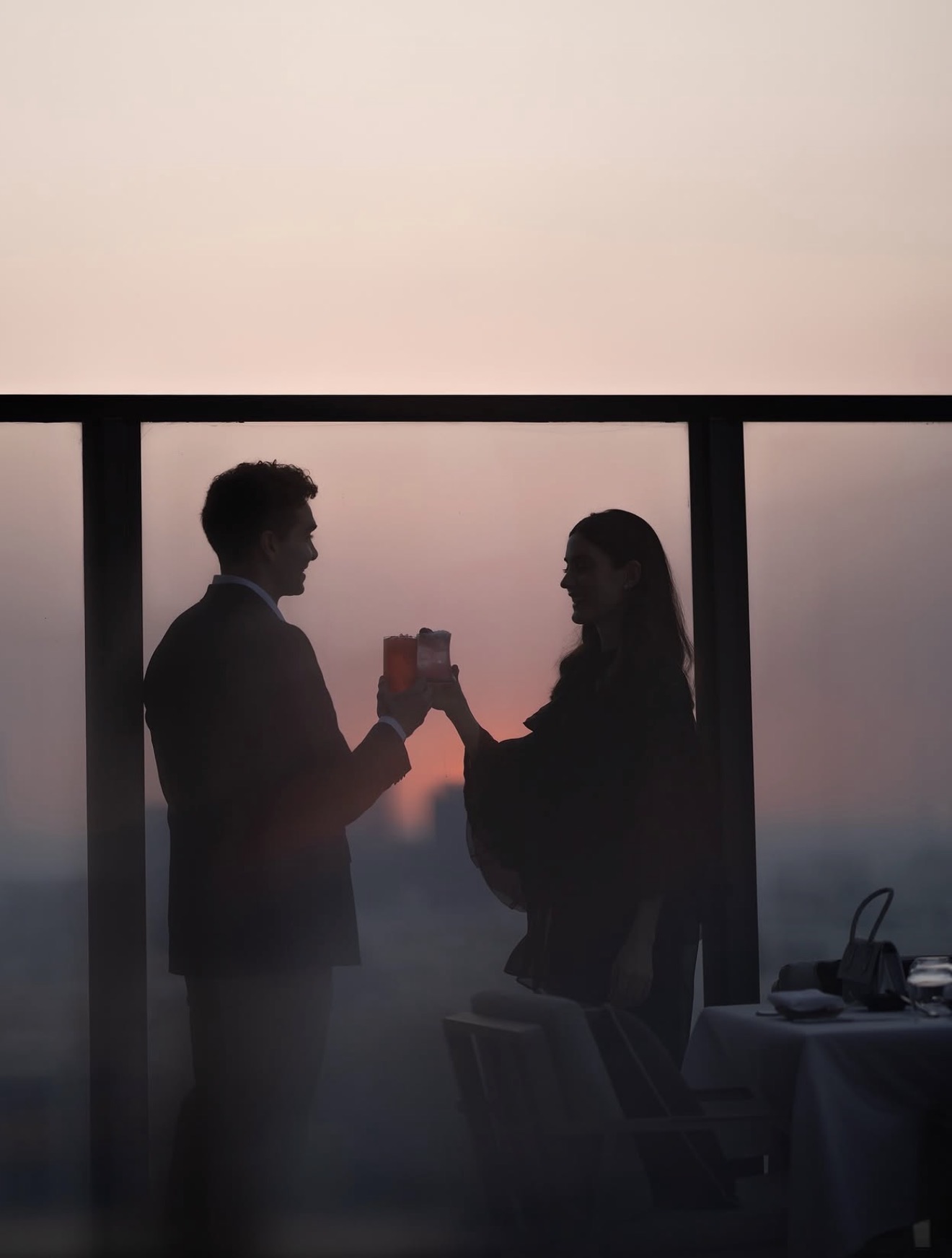
Sora is where Doha goes to remind itself it’s attractive.
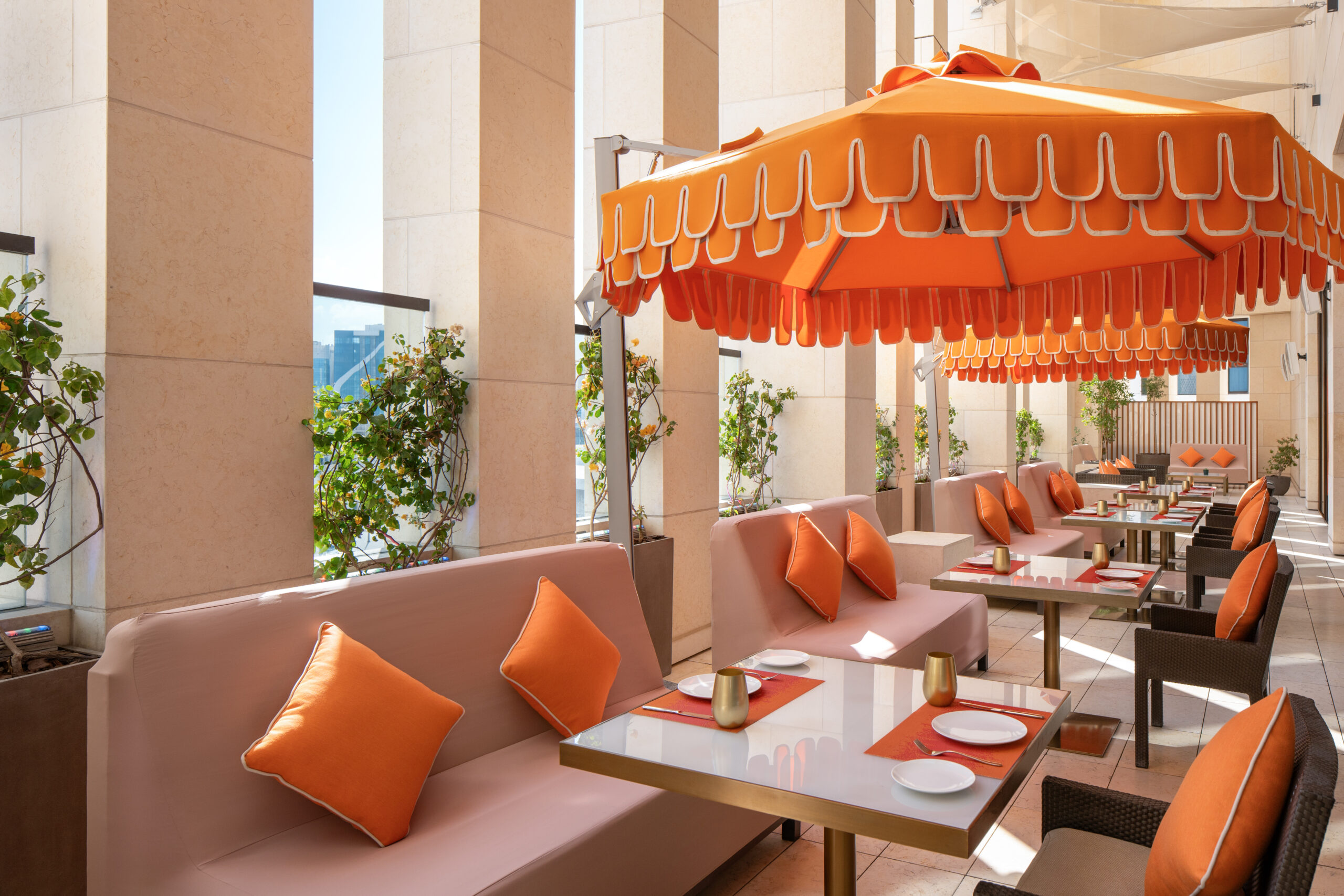
Perched above the city, this rooftop Japanese venue offers skyline views so dramatic they deserve orchestral accompaniment. The atmosphere strikes a delicate balance between glamorous and relaxed — no small achievement in a region where rooftop venues often resemble nightclub auditions.
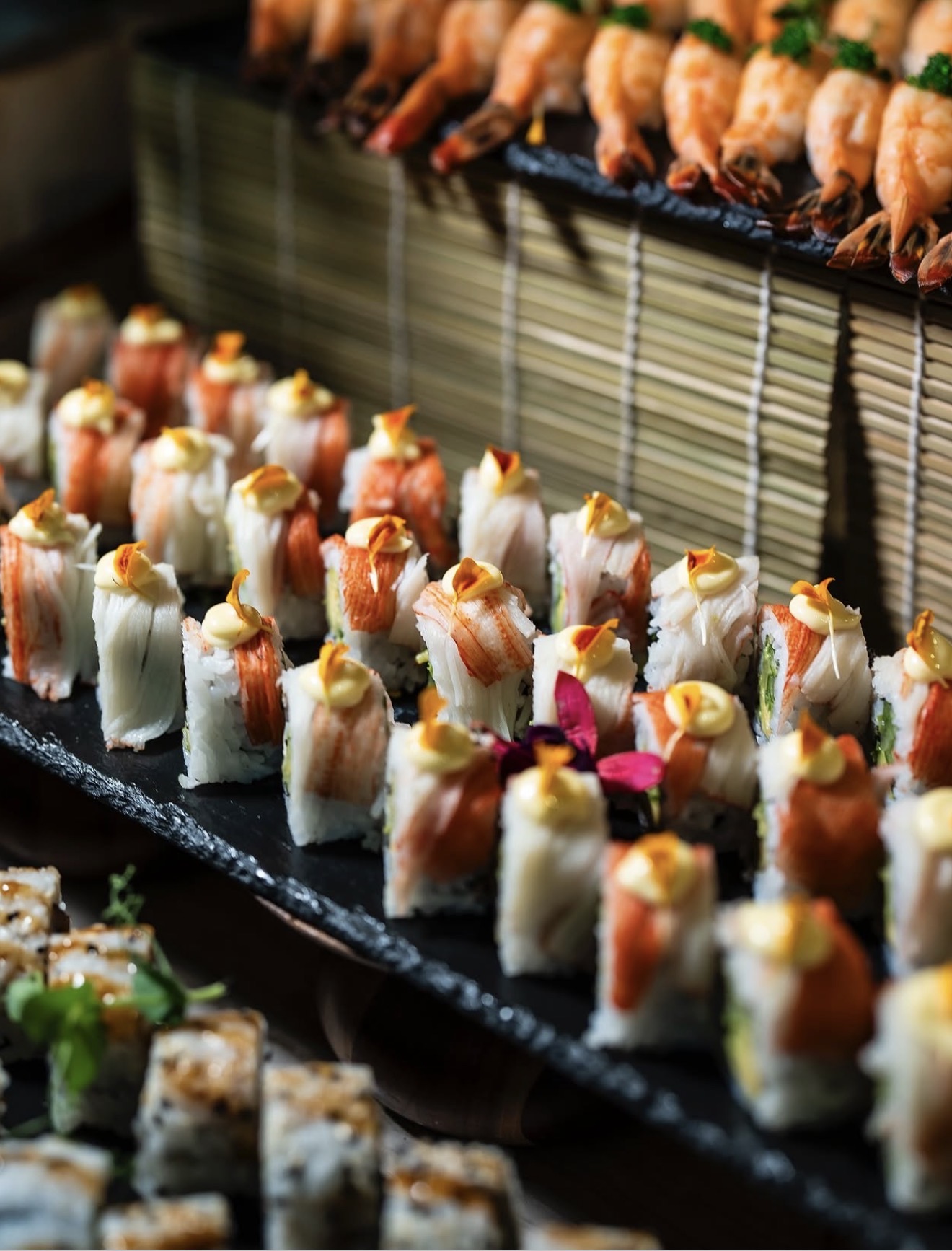
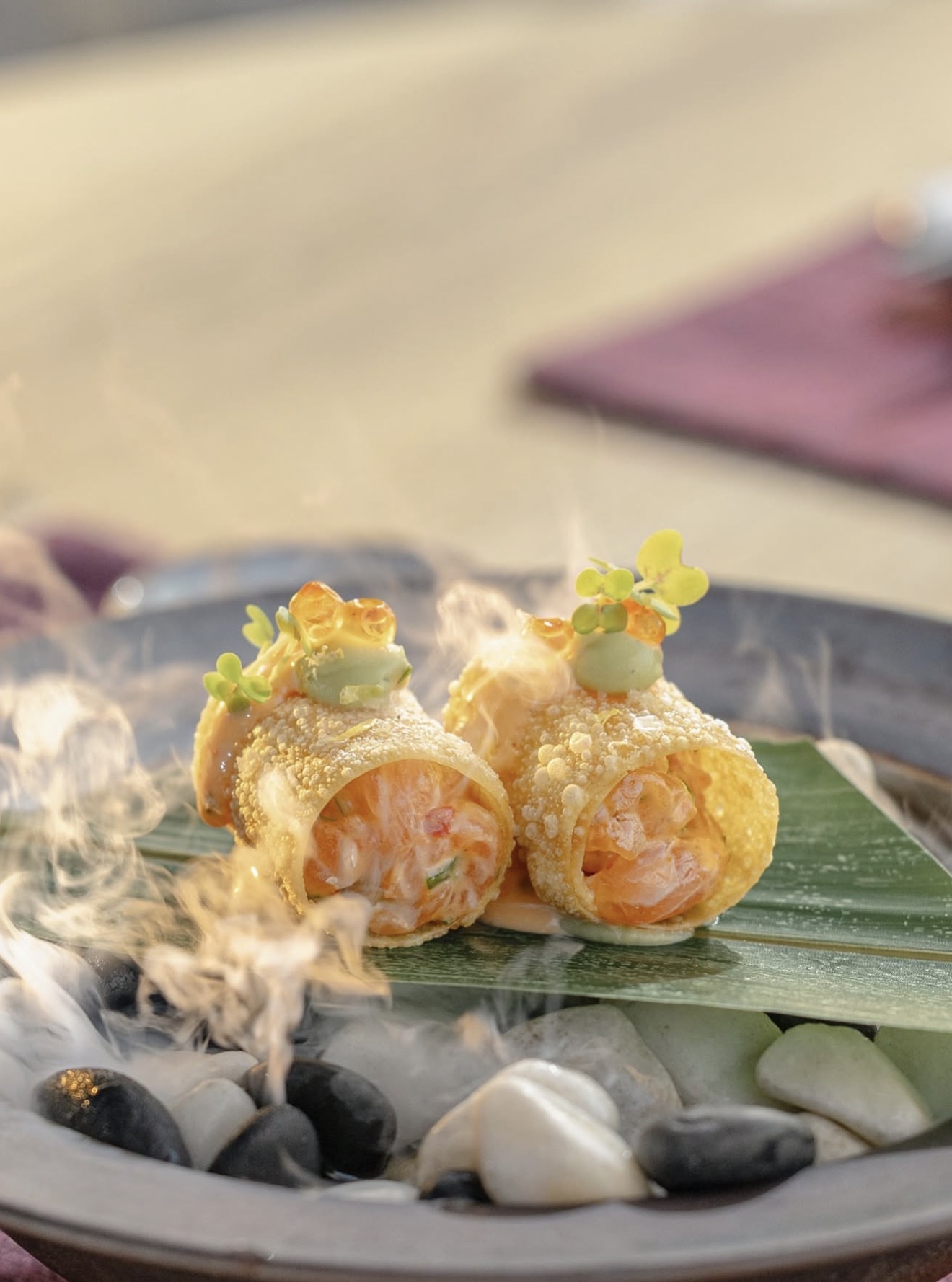
The sushi is precise, elegant, and refreshingly restrained. Cocktails arrive looking like they’ve completed graduate school in mixology. And the crowd? Fashionable enough to be entertaining, but not so intimidating that you reconsider your shoes.
It’s the kind of place where you accidentally stay three hours longer than intended.
Opus
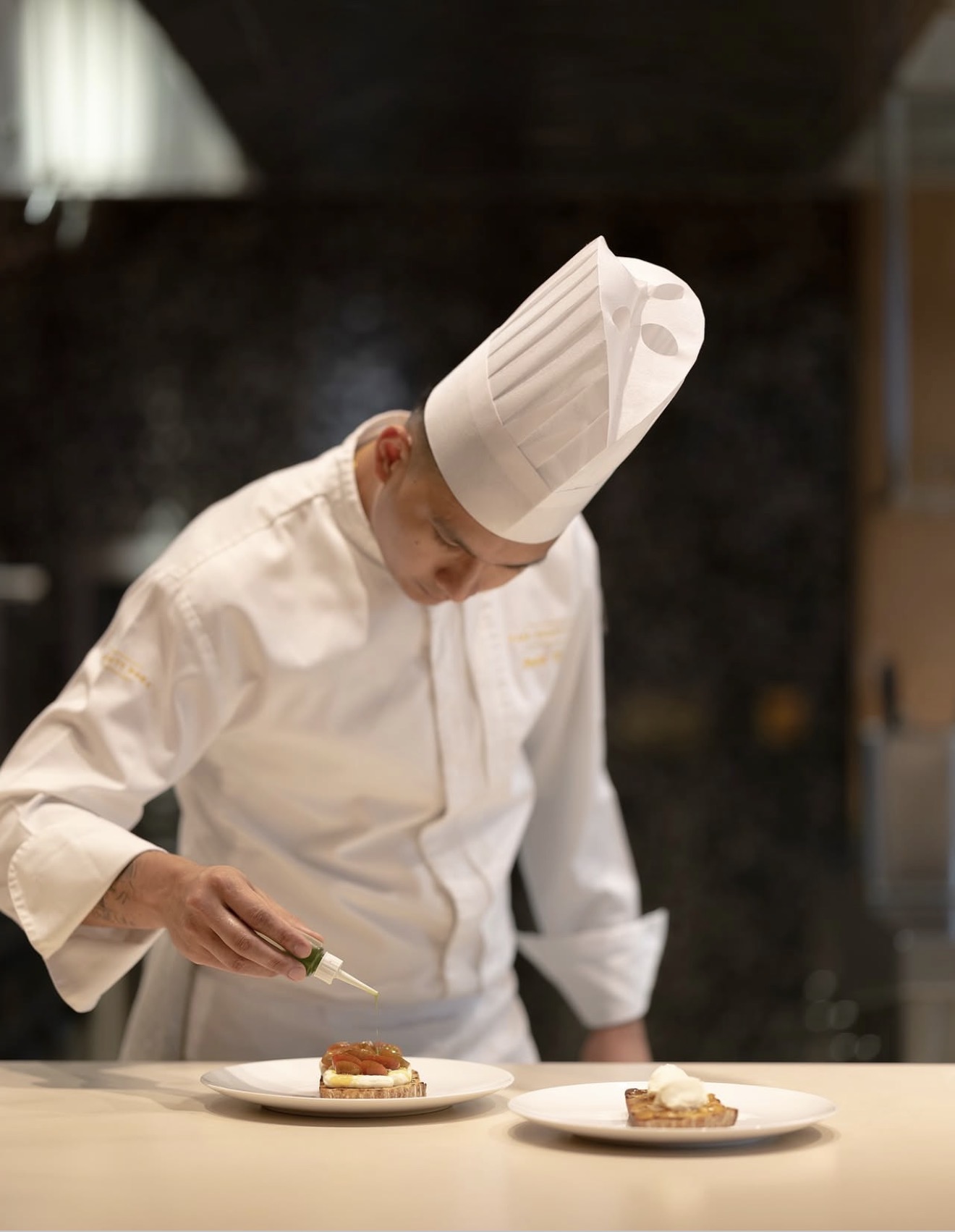
Opus handles the all-day dining duties without falling into the usual buffet-trap mediocrity.
Breakfast here deserves particular praise. Not because it’s excessive — though there’s certainly enough choice to derail any wellness goals — but because it’s thoughtful. Fresh Arabic breads, excellent pastries, proper coffee, and local touches that feel authentic rather than performative.
You can actually taste the difference between “luxury hotel breakfast” and “luxury hotel breakfast where someone cared.”
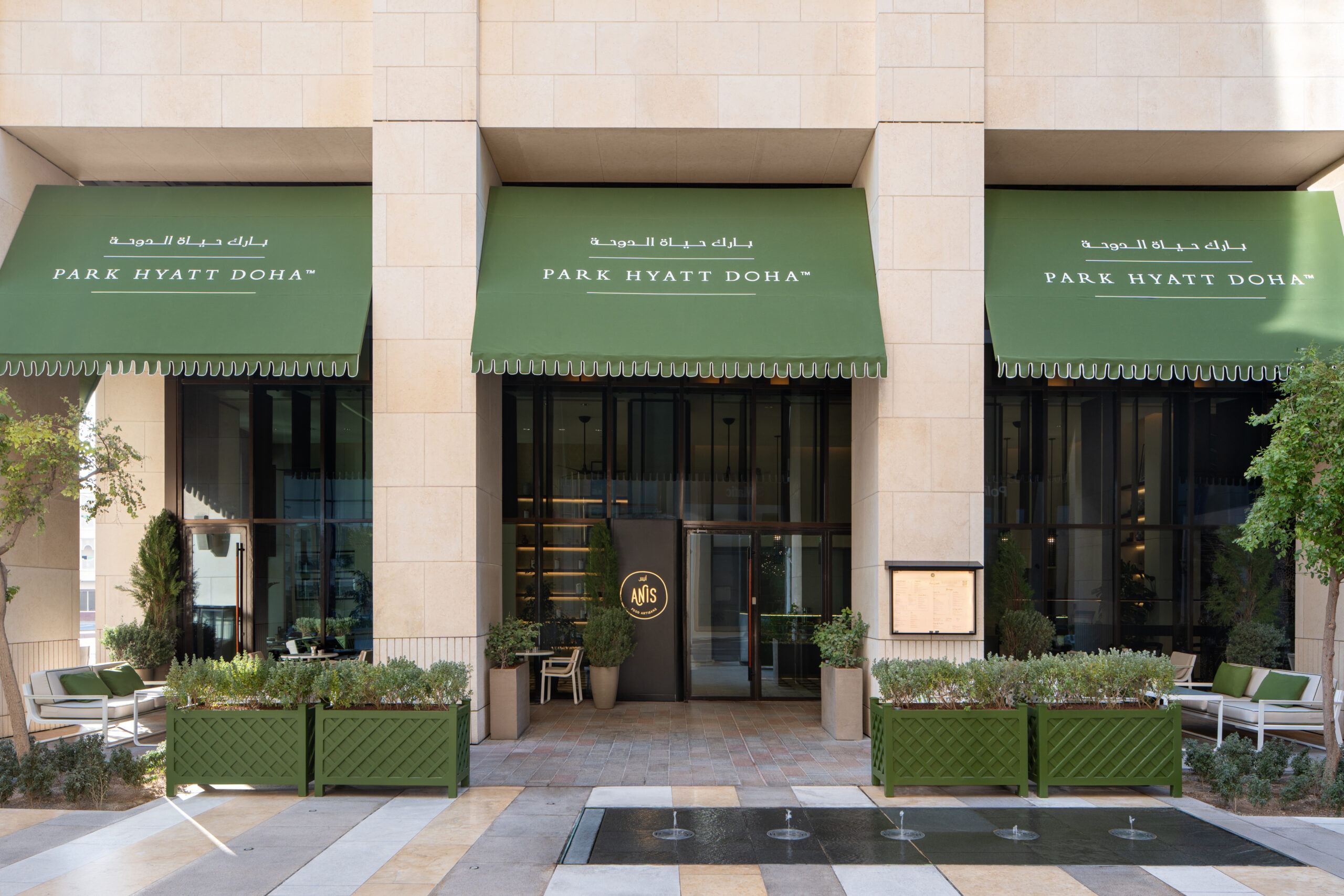
Anis
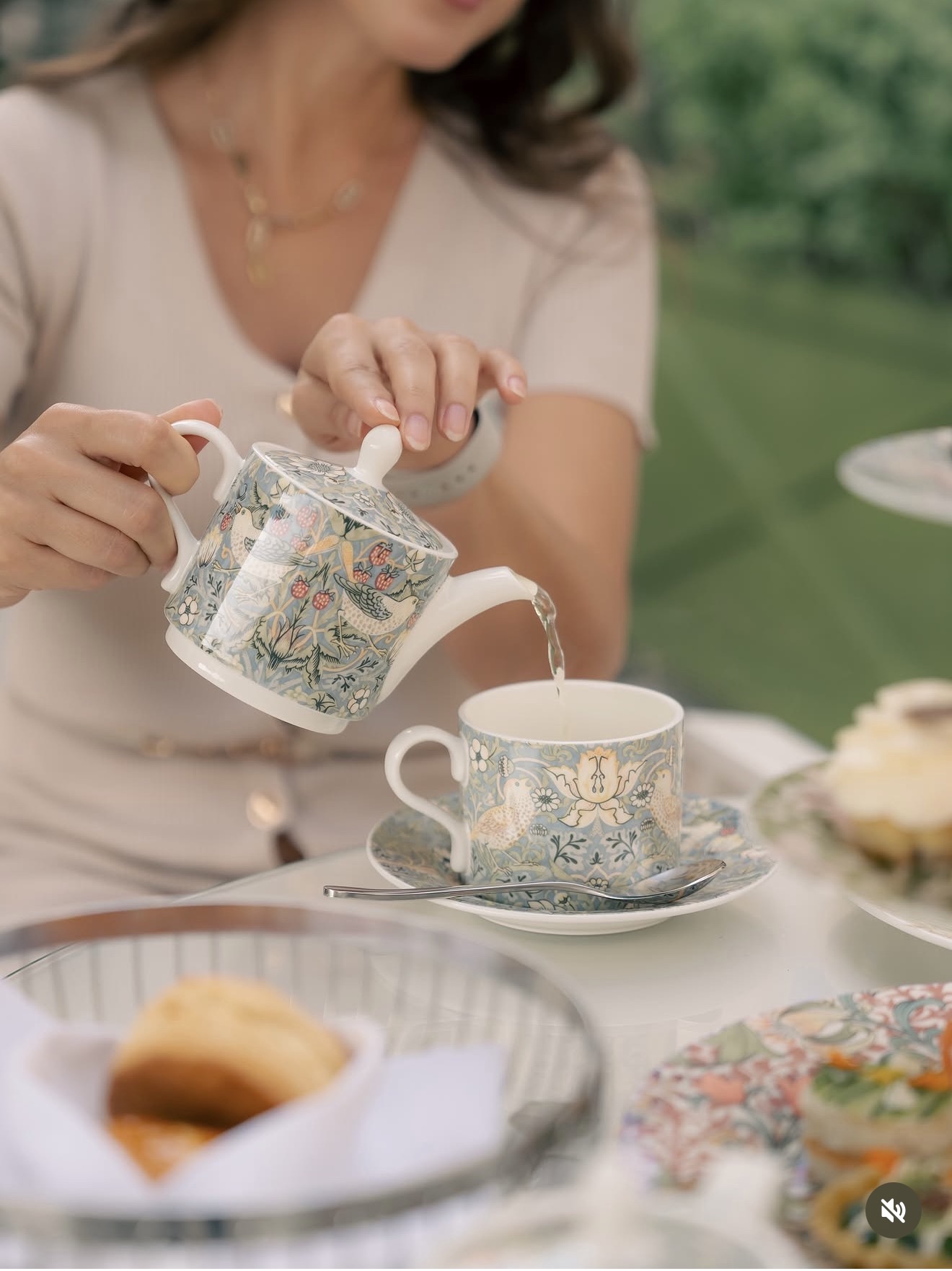
Anis leans into Levantine and regional flavors with confidence and warmth. It’s elegant without becoming intimidating, which is surprisingly rare in upscale Middle Eastern dining.
The dishes feel rooted in tradition while still polished enough to justify the surroundings. It’s comfort food wearing a tailored blazer.
Value for Money
Now for the shocking part. Park Hyatt Doha is — whisper it carefully — actually good value.
Compared to equivalent luxury hotels in Dubai, London, Paris, or even parts of Saudi Arabia, Doha still occupies a relatively sweet spot. You get genuine five-star refinement, excellent dining, architectural sophistication, and a prime location without needing to liquidate a small investment portfolio.
This is especially true for travelers used to paying absurd premiums for “luxury experiences” elsewhere in the Gulf.
At Park Hyatt Doha, the luxury feels earned rather than inflated.
There’s also the broader Doha factor: the city itself is compact, efficient, safe, and increasingly culture-forward. You can spend the morning wandering the Museum of Islamic Art, the afternoon café-hopping in Msheireb, and the evening on a rooftop terrace wondering whether you should permanently switch to linen clothing.
Verdict
Park Hyatt Doha doesn’t scream for attention. It doesn’t need to. It’s sophisticated in a way that feels increasingly rare — understated, intelligent, and deeply comfortable in its own identity. Combined with Doha’s evolving cultural confidence and the polished tranquility of Msheireb, the experience becomes less about flashy luxury and more about effortless refinement.
Which, annoyingly, is far more seductive. You arrive expecting a weekend escape. You leave browsing real estate prices in Qatar and wondering if your entire life should involve more marble, slower breakfasts, and rooftop sushi.
By: Lucas Raven