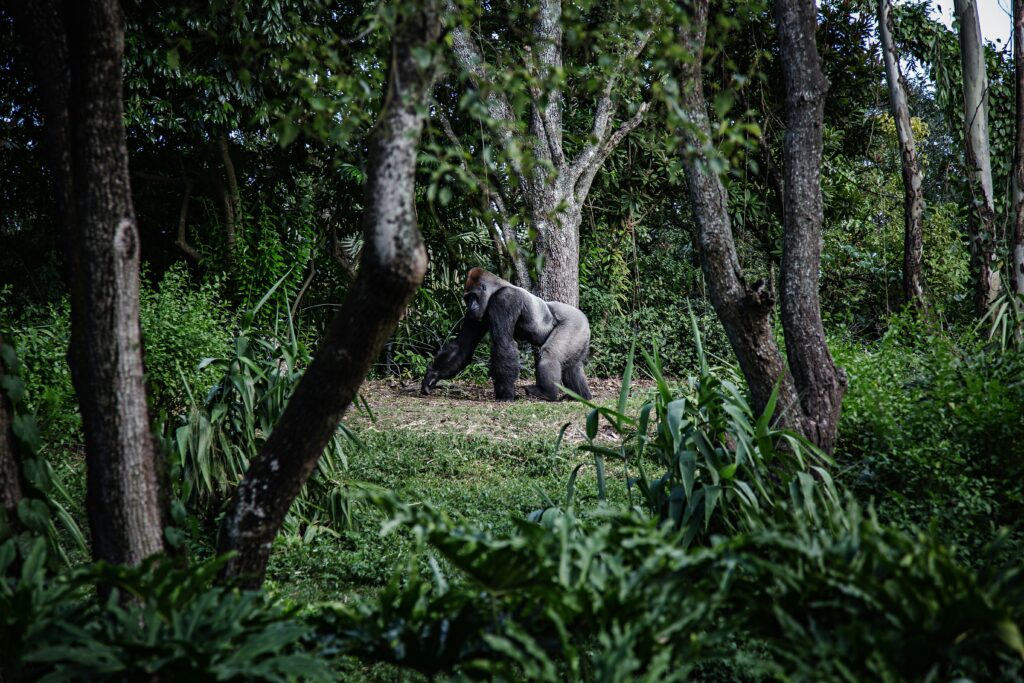
So Rwanda has been loitering on your bucket list, has it? Quietly tapping its foot, checking its watch, wondering when on earth you’ll get around to visiting? Fair enough. When people dream about a “classic safari,” they tend to picture endless plains and a lion yawning artfully at sunset. Rwanda prefers to do things differently: mountain-fringed rainforests in the north, savannah-swept Akagera in the east, and a primate encounter so extraordinary it’ll ruin all future wildlife experiences for you. Permanently.
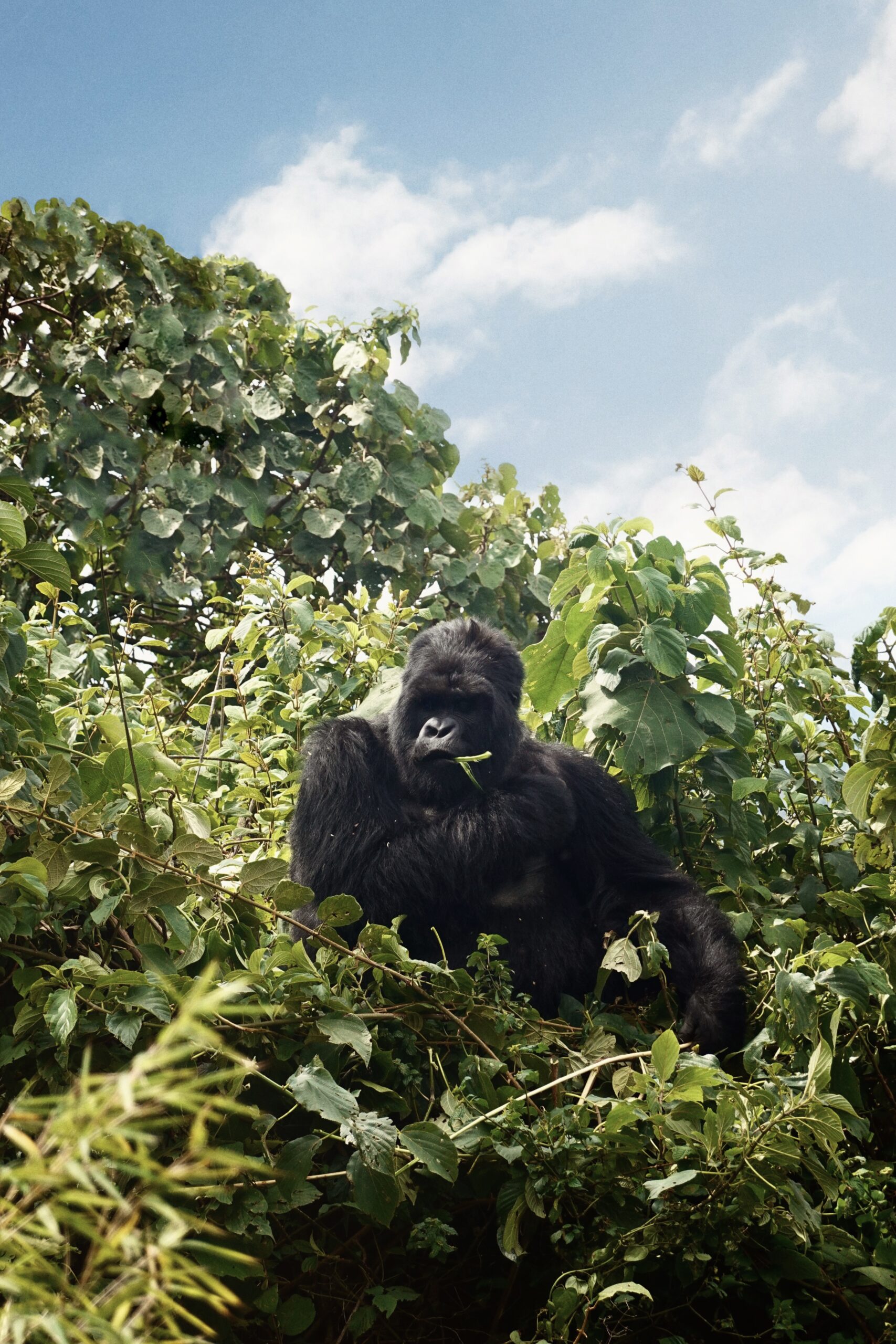
Welcome to Volcanoes National Park, where the mist rolls, the earth steams, and the gorillas… well, they ignore you magnificently. And honestly, that’s the greatest honor of all.
Where to Stay: The One&Only Gorilla’s Nest (Because You’re Worth It)
If you’re going to throw yourself into the jungle, you may as well emerge each day into the kind of luxury that makes your house back home feel like a minor disappointment. One&Only Gorilla’s Nest sits curled up against the foothills of the Virunga volcanoes, and it’s basically safari-meets-spa-meets-did-I-just-meditate-with-a-fireplace? Treehouse-style suites? Yes. Outdoor bathtubs facing the forest? Of course. A wellness menu so indulgent even the gorillas would approve? Always.
How to Fly: RwandAir (Your Gorilla-Approved Carrier)
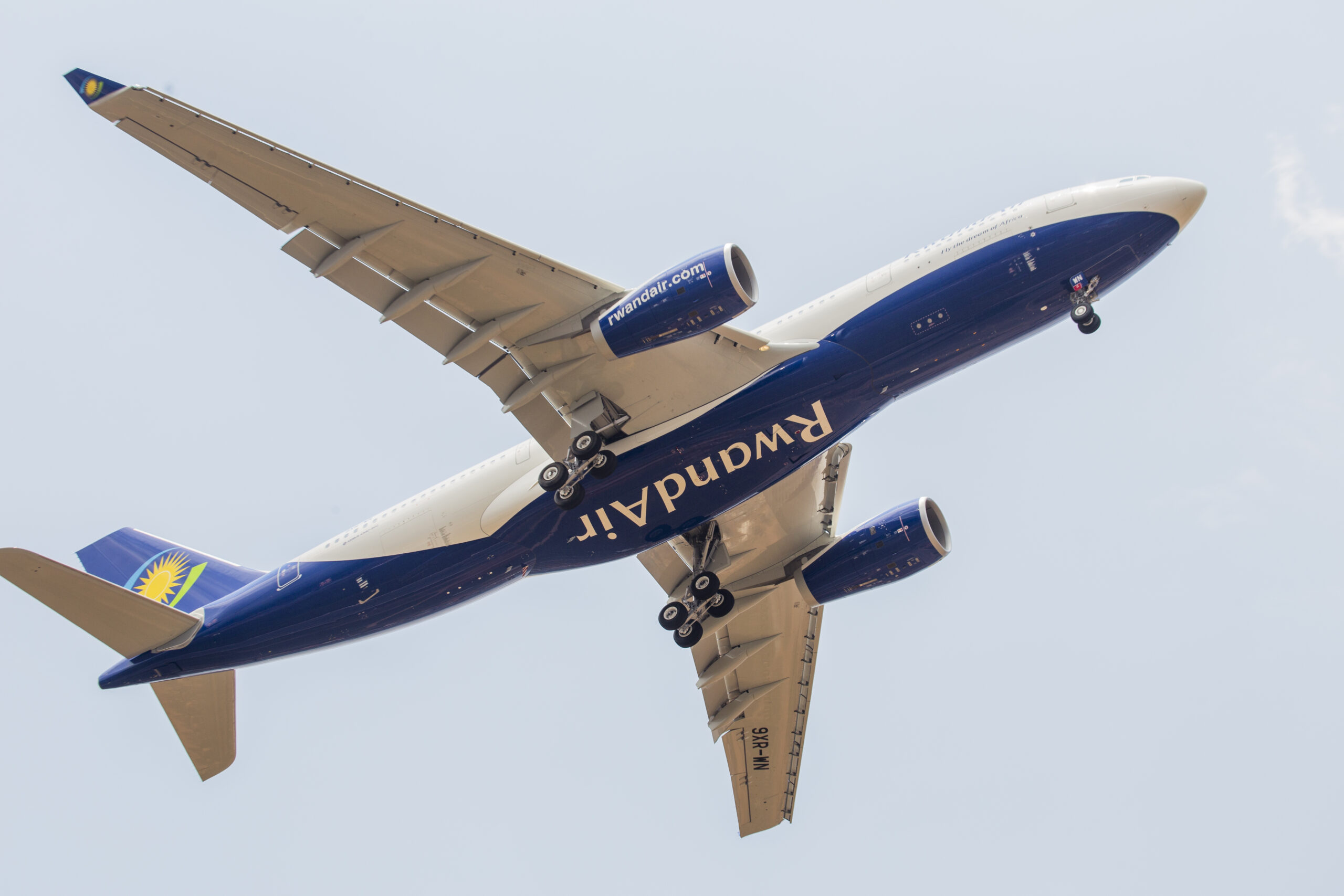
Skip the multi-airport chaos and fly RwandAir, Rwanda’s polished, punctual and pleasingly stress-free national carrier. They partner with excellent local operators (I travelled with Wildlife Tours), so from the moment you land in Kigali, you’re in capable, conservation-minded hands.
Volcanoes National Park: Fees
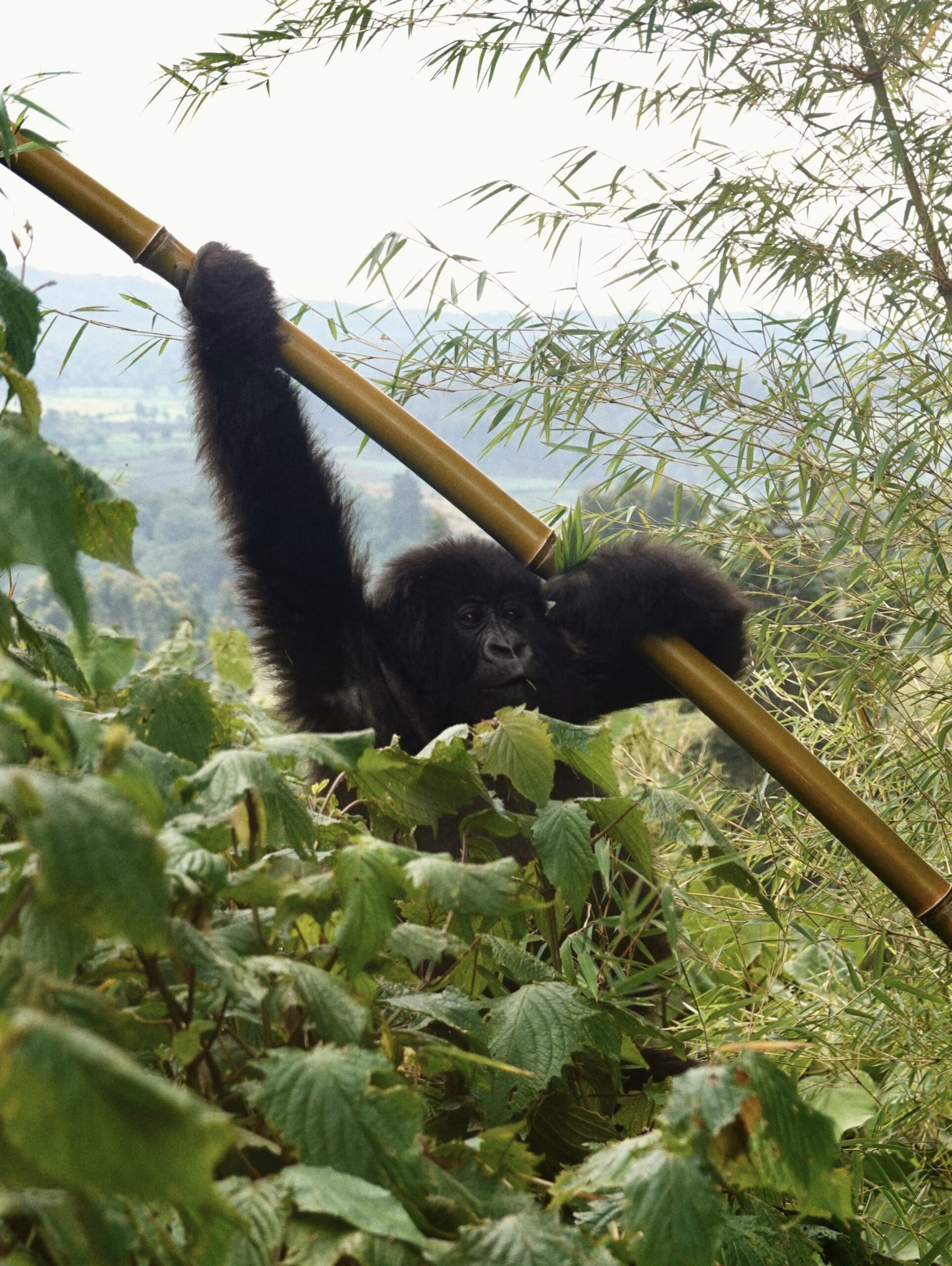
The gorilla trekking permit costs a cool US$1,500 per person, paid directly to the Rwanda Development Board. Yes, it’s a splurge. But it’s also one of the world’s most successful conservation funding models—and 60 minutes with a silverback will make you forget the three boutique handbags you could have bought instead.
The Trek: How Long, How Hard & How Breathless You’ll Be
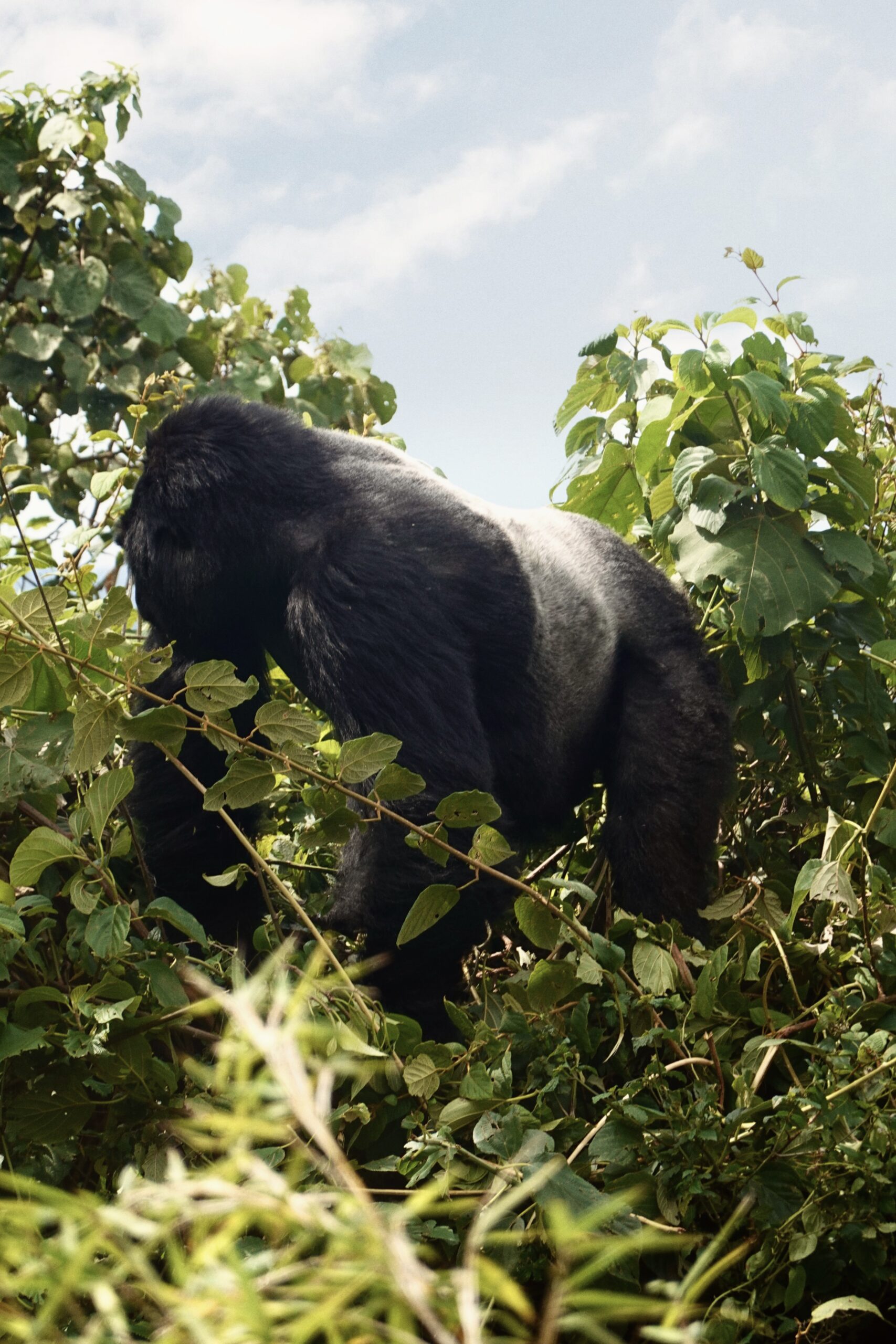
Trek lengths vary from 1 to 4 hours each way, depending on where your allocated gorilla family was feeling sociable that morning.
Once you find them, you get exactly one hour in their presence—a conservation rule stricter than airport security but infinitely more rewarding.
Best time to go? Rwanda has two dry seasons:
June–September (peak gorilla-spotting weather, less mud, smug hikers)
December–February (lush, green, and slightly quieter)
Avoid the wet months unless you enjoy slipping theatrically in front of strangers.
What to Wear on a Gorilla Trek (a.k.a. How Not to Look Like a Lost Tourist)
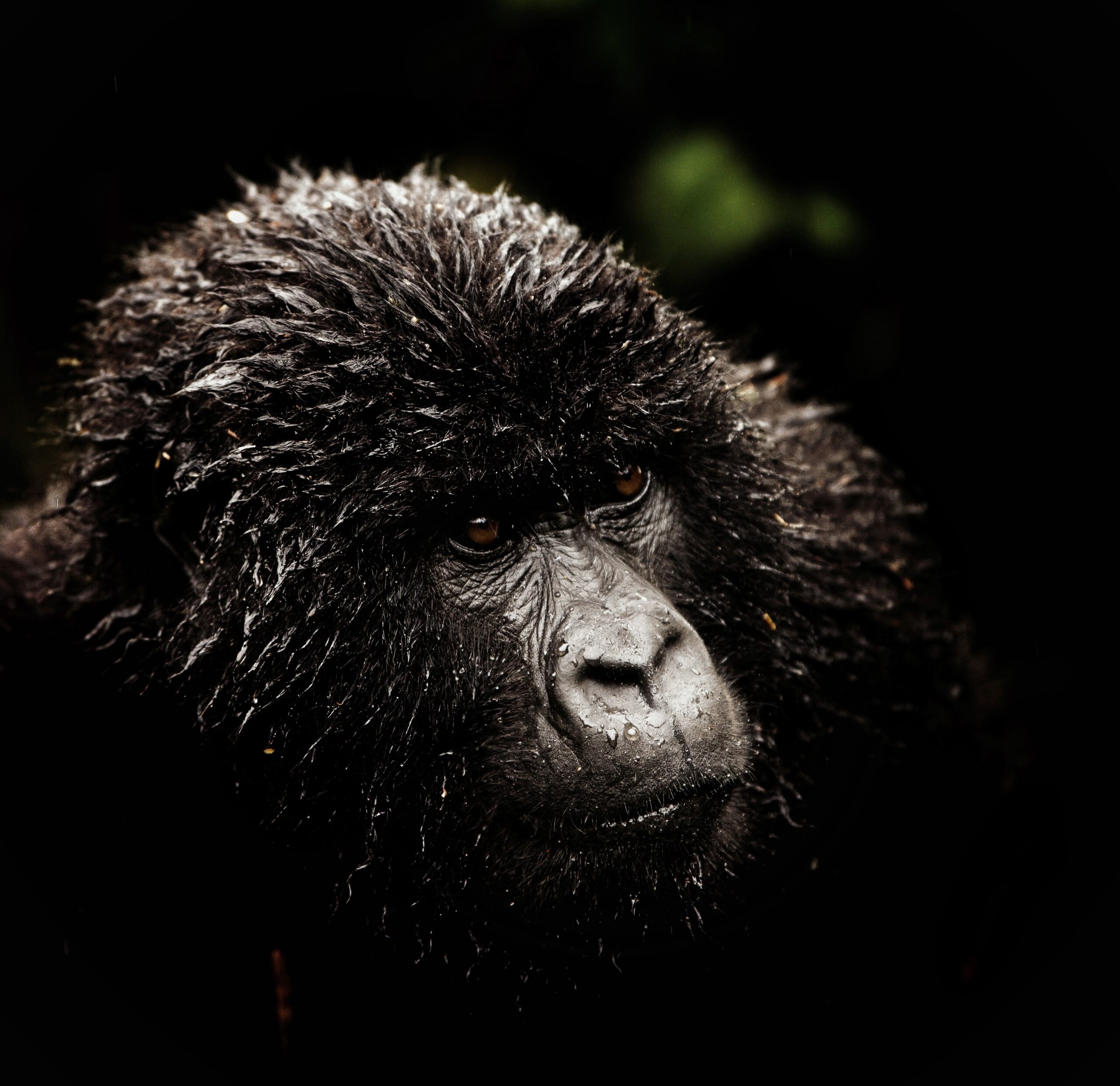
Think rugged, practical, and mud-proof. Think less fashion influencer, more aspiring botanist who occasionally wrestles vines.
Long trousers (those nettles are vindictive)
Long-sleeved shirt
Waterproof hiking boots
Gaiters (trust me: ants)
Gardening gloves (for grabbing vegetation with dignity)
A light rain jacket (the jungle laughs at weather forecasts)
A daypack with snacks & water
And NO bright colors unless you want to star in a gorilla reality show
Do’s & Don’ts (Learn from Other Tourists’ Mistakes, Not Your Own)
Do:
✔ Listen to your guide—they know their gorillas better than you know your group chat
✔ Maintain a respectful 7-meter distance
✔ Stay calm when a young gorilla curiously ambles toward your shoelaces
✔ Tip your trackers; they work miracles daily
✔ Stay overnight near the park—4 a.m. starts are real
Don’t:
✘ Stare down a silverback (unless you enjoy eye contact with 180 kg of muscle)
✘ Whisper loudly—yes, people do this
✘ Show up in sandals
✘ Try to take selfies with gorillas. Just… don’t.
✘ Eat bananas in front of them (common sense, but still)
Why This Should Be on Your Bucket List
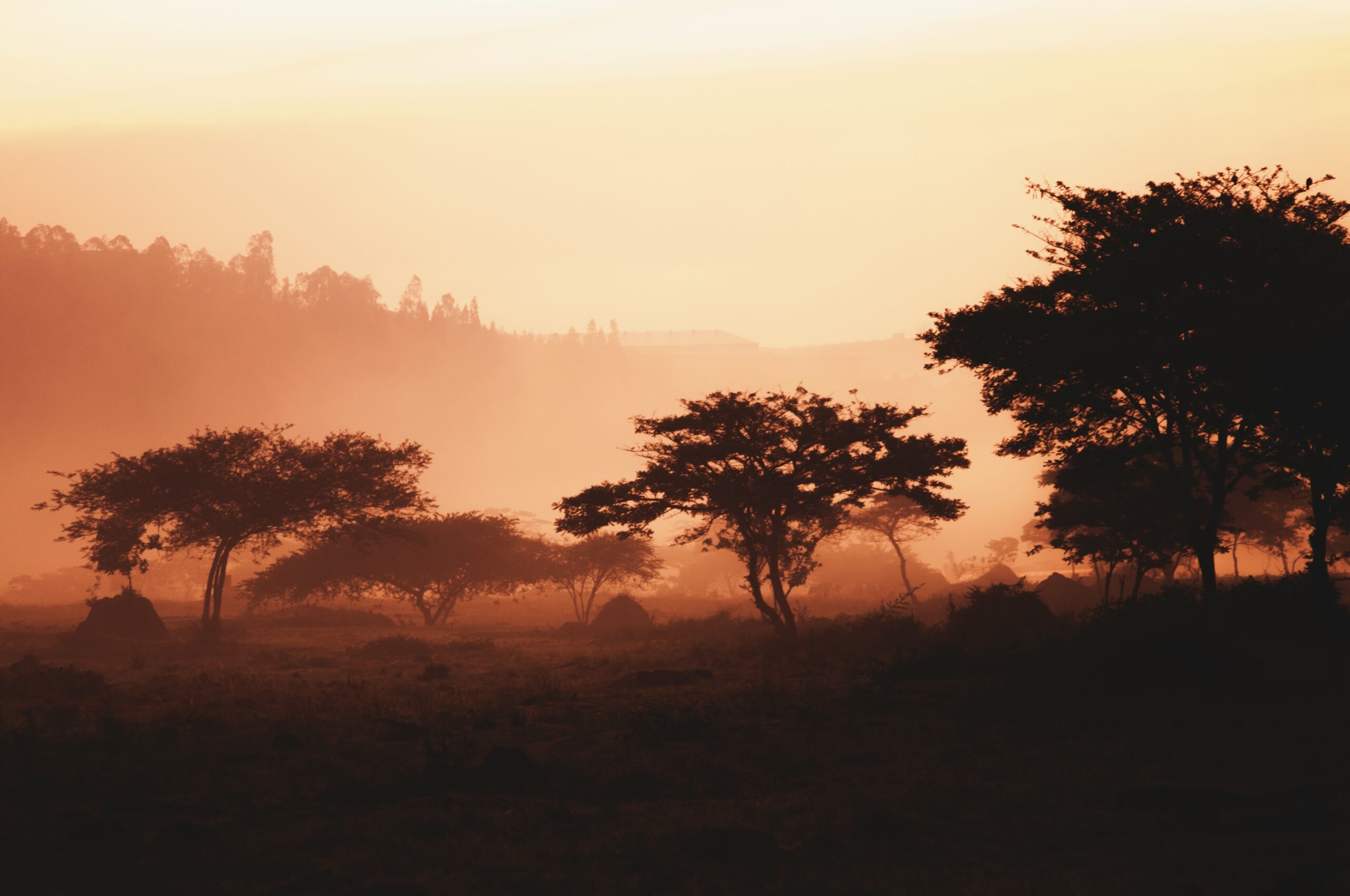
Rwanda isn’t just a safari; it’s a lesson in resilience, conservation, and respectful tourism. From the peaceful shores of Lake Kivu to the sweeping plains of Akagera—where you can tick off a bonus Big Six, thank you very much—the country’s landscapes hit every note from soulful to cinematic.
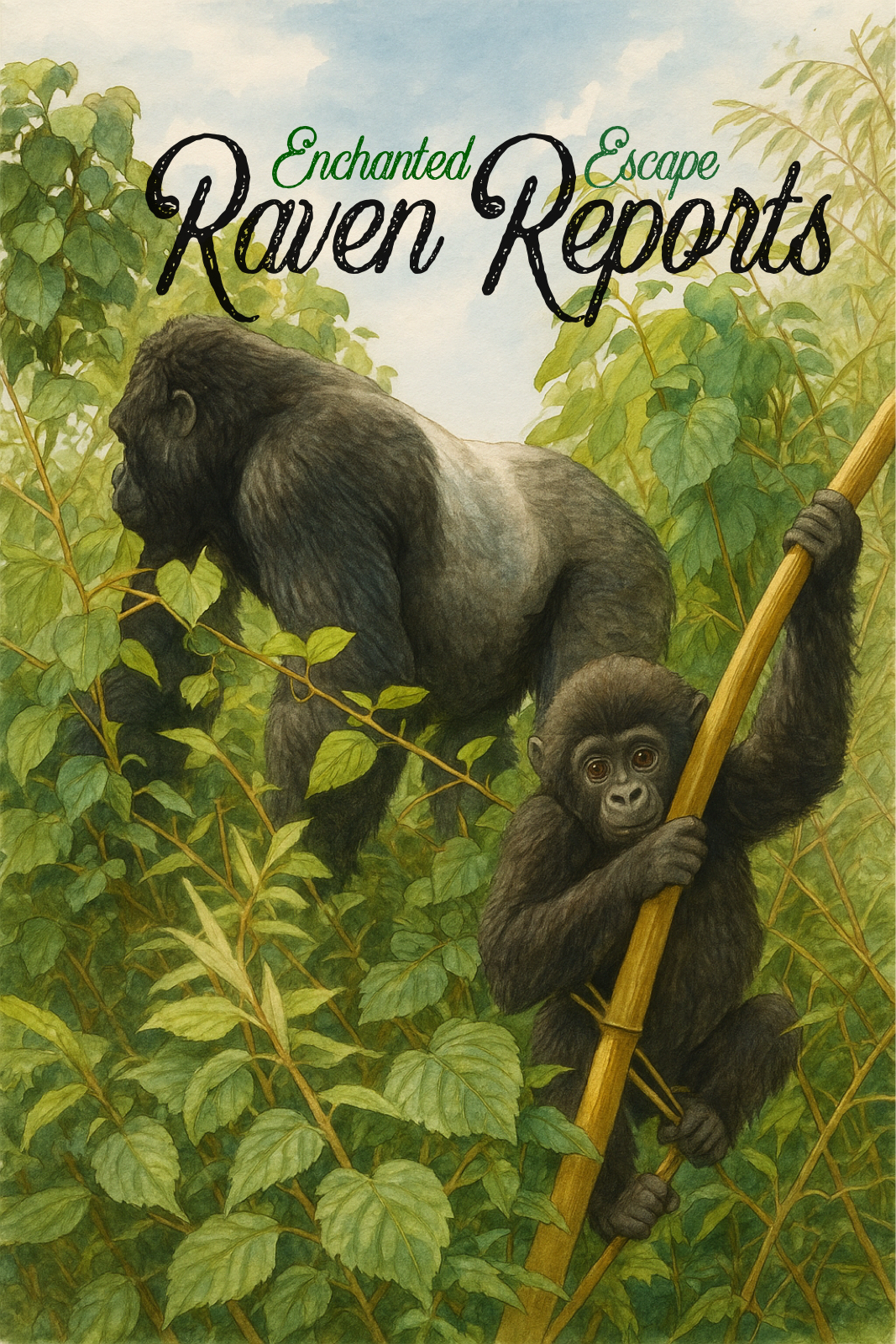
And then, of course, there are the gorillas: astonishingly human-like, profoundly gentle, casually munching celery while reawakening your sense of wonder. Even Dian Fossey, who spent 18 years in these mountains studying and protecting them, would tell you: this is no ordinary wildlife encounter. It’s a privilege.
So book the flight, lace the boots, and go meet Rwanda’s most charismatic locals. Your bucket list will thank you. And so will the gorillas—silently, and from a very comfortable seven meters away.
By: Lucas Raven