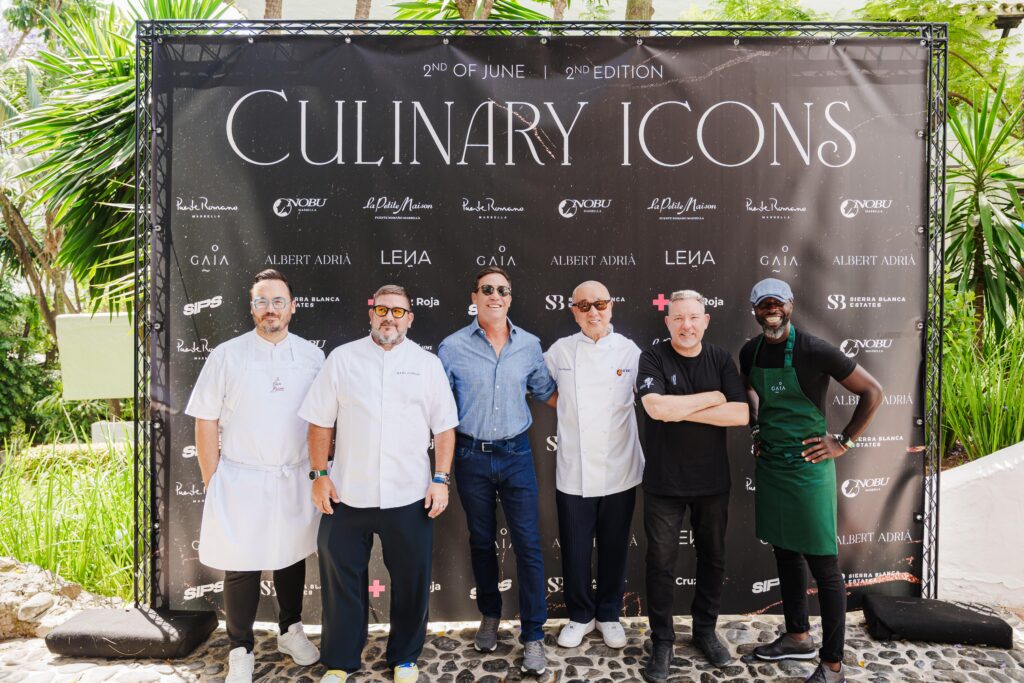
Marbella has long understood the art of spectacle. But even by Costa del Sol standards, gathering five of the world’s most celebrated chefs on a single stage is an impressive feat. When I arrived at Puente Romano Marbella for the second edition of Culinary Icons, I expected an afternoon of exceptional food. What unfolded felt more like a greatest-hits concert performed by some of gastronomy’s biggest stars.
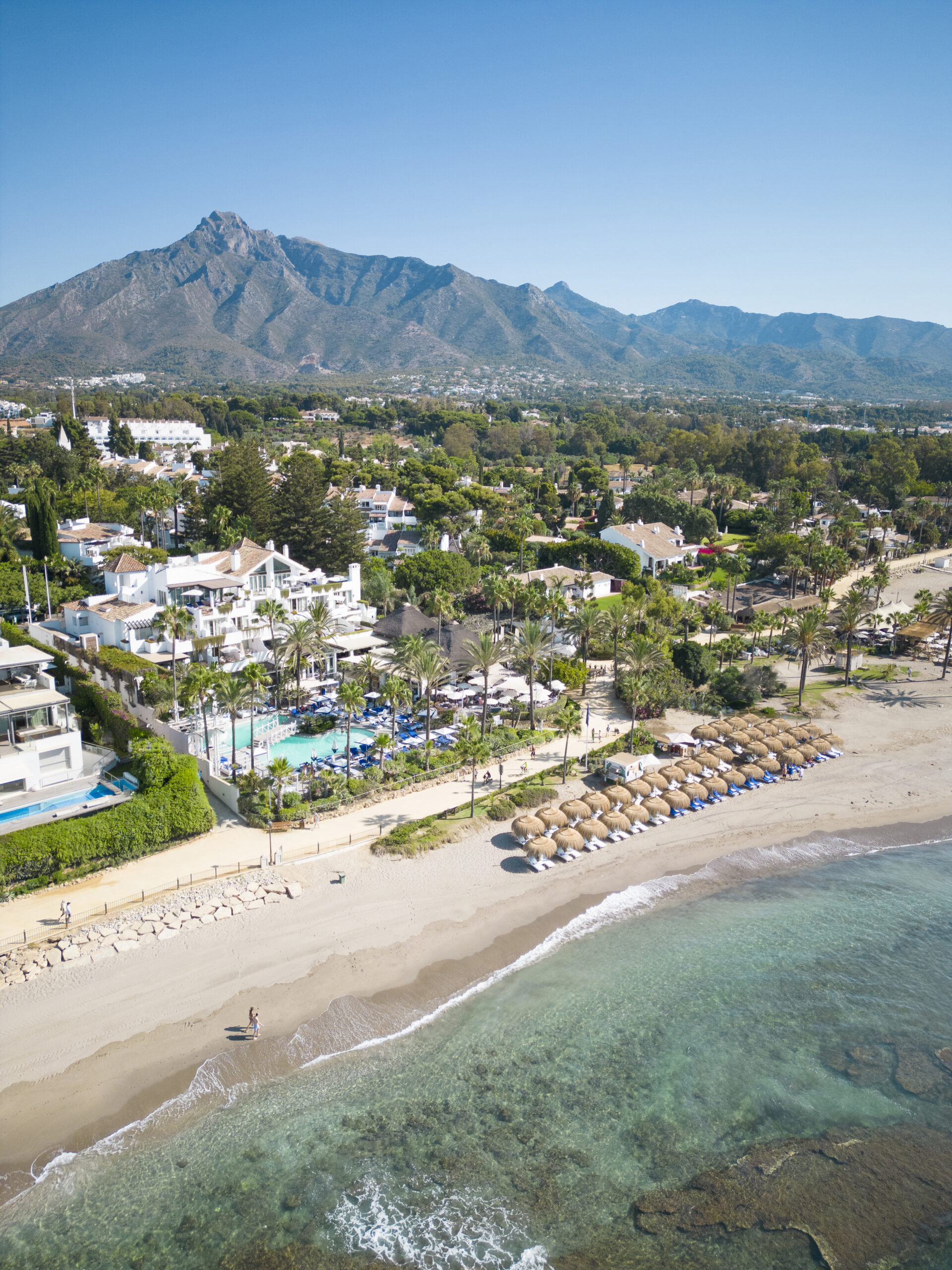
The setting was La Plaza, the resort’s bustling social hub, where 235 guests gathered beneath a cloudless Mediterranean sky. Glasses clinked, cameras hovered expectantly above tables and conversations revolved around a single question: which chef would steal the show?
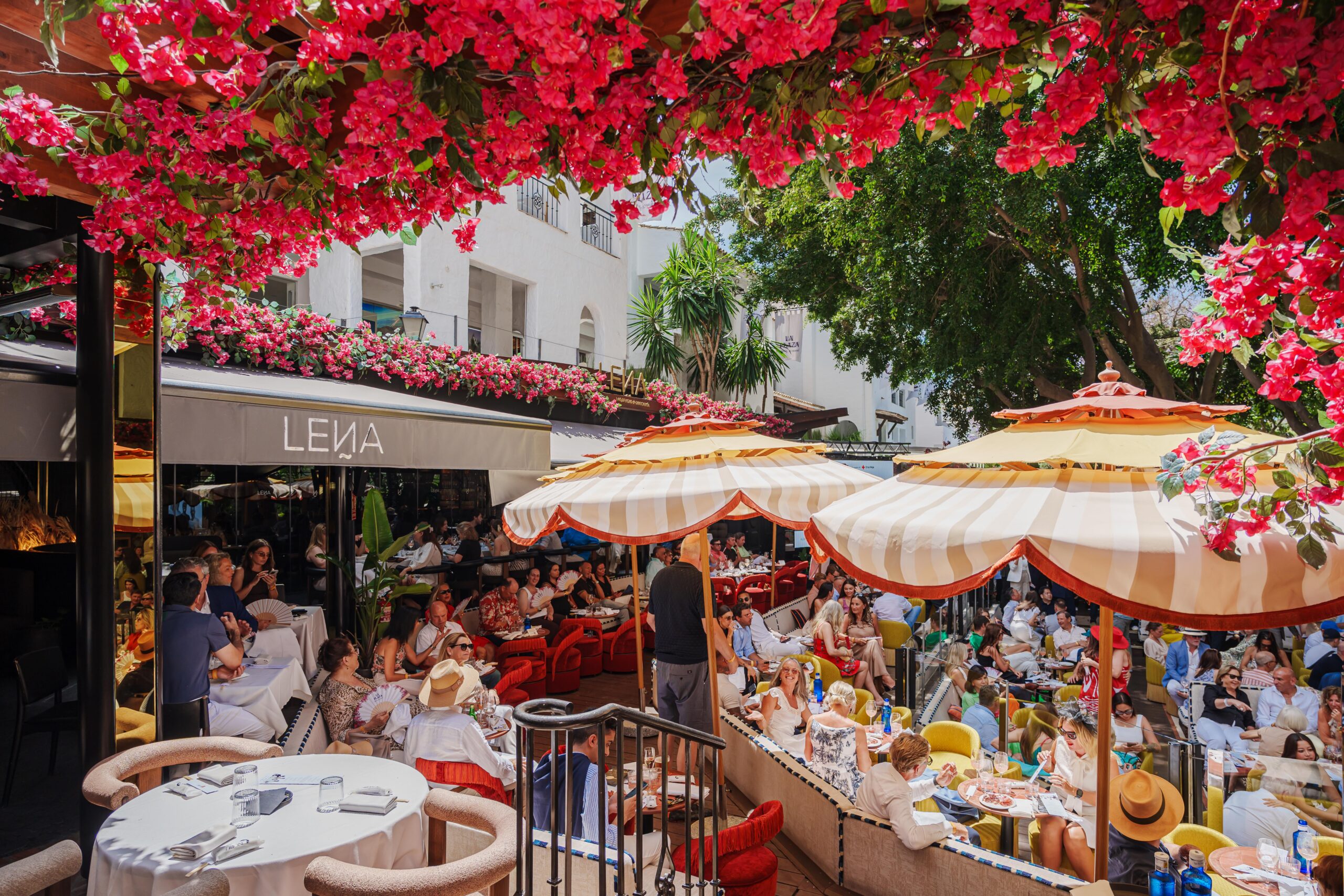
The afternoon began with cocktails courtesy of SIPS Barcelona, whose reputation as one of the world’s most decorated bars preceded it. A Paloma Santoni Spritz in hand, guests settled in for a culinary line-up rarely seen outside the pages of an international food guide. Then came the first act.
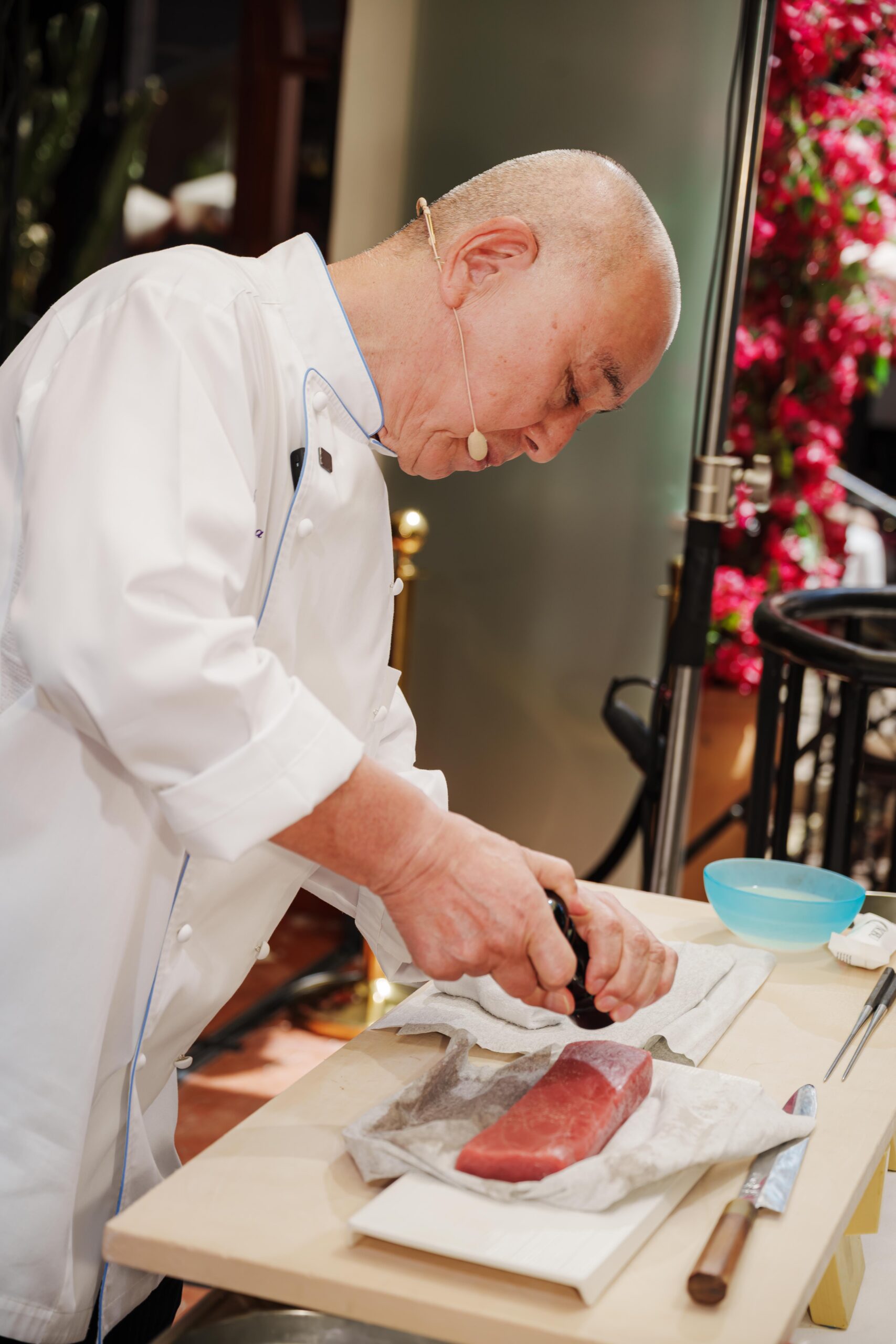
Chef Nobu needs no introduction. Few men have achieved the level of global recognition where their first name alone functions as a brand. Watching him prepare Tuna Tataki Tosazu and Seabass Kombujime Oshi Sushi was a reminder of why his influence remains so enduring. The dishes may be familiar, but they possess the kind of effortless precision that only decades of mastery can produce.
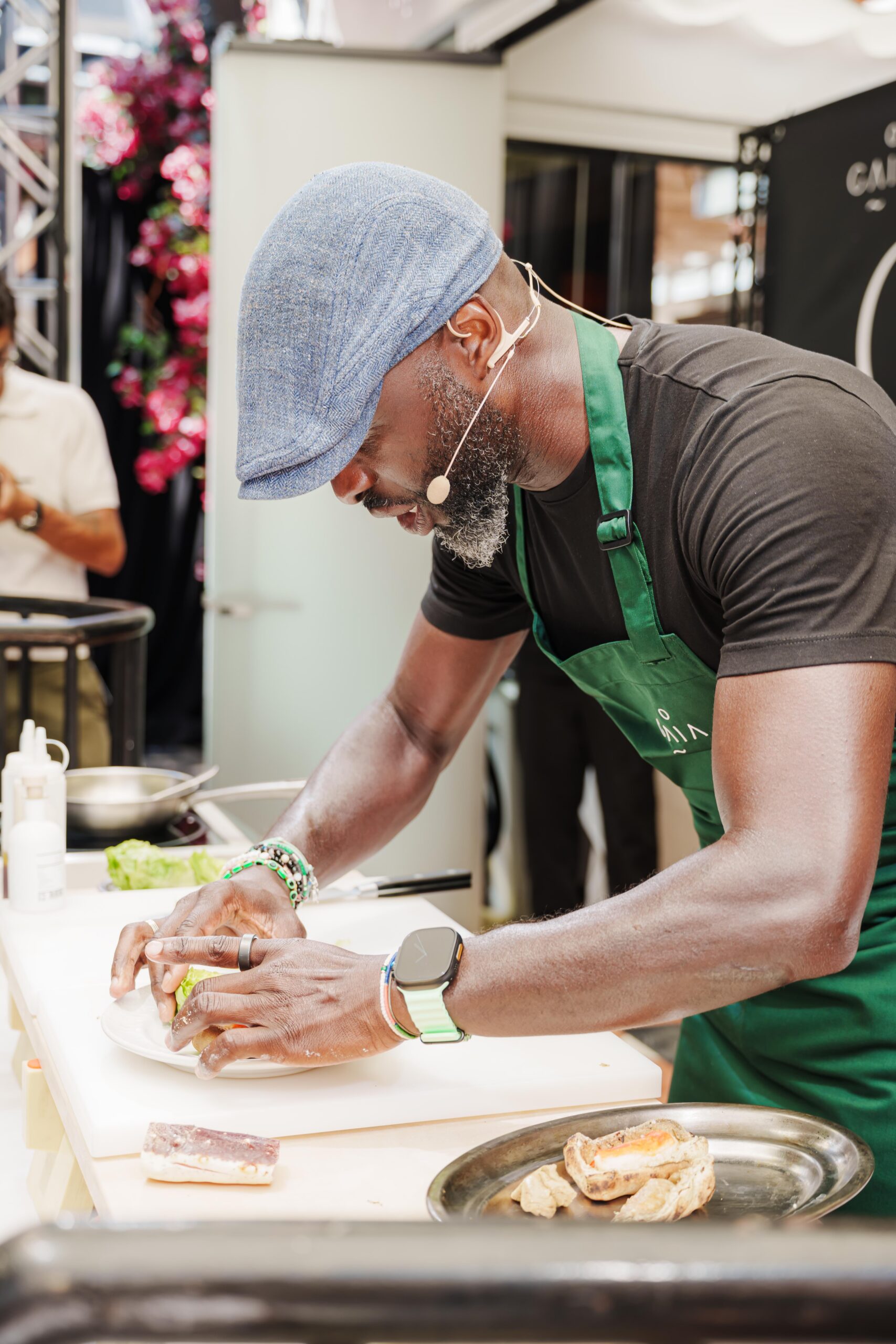
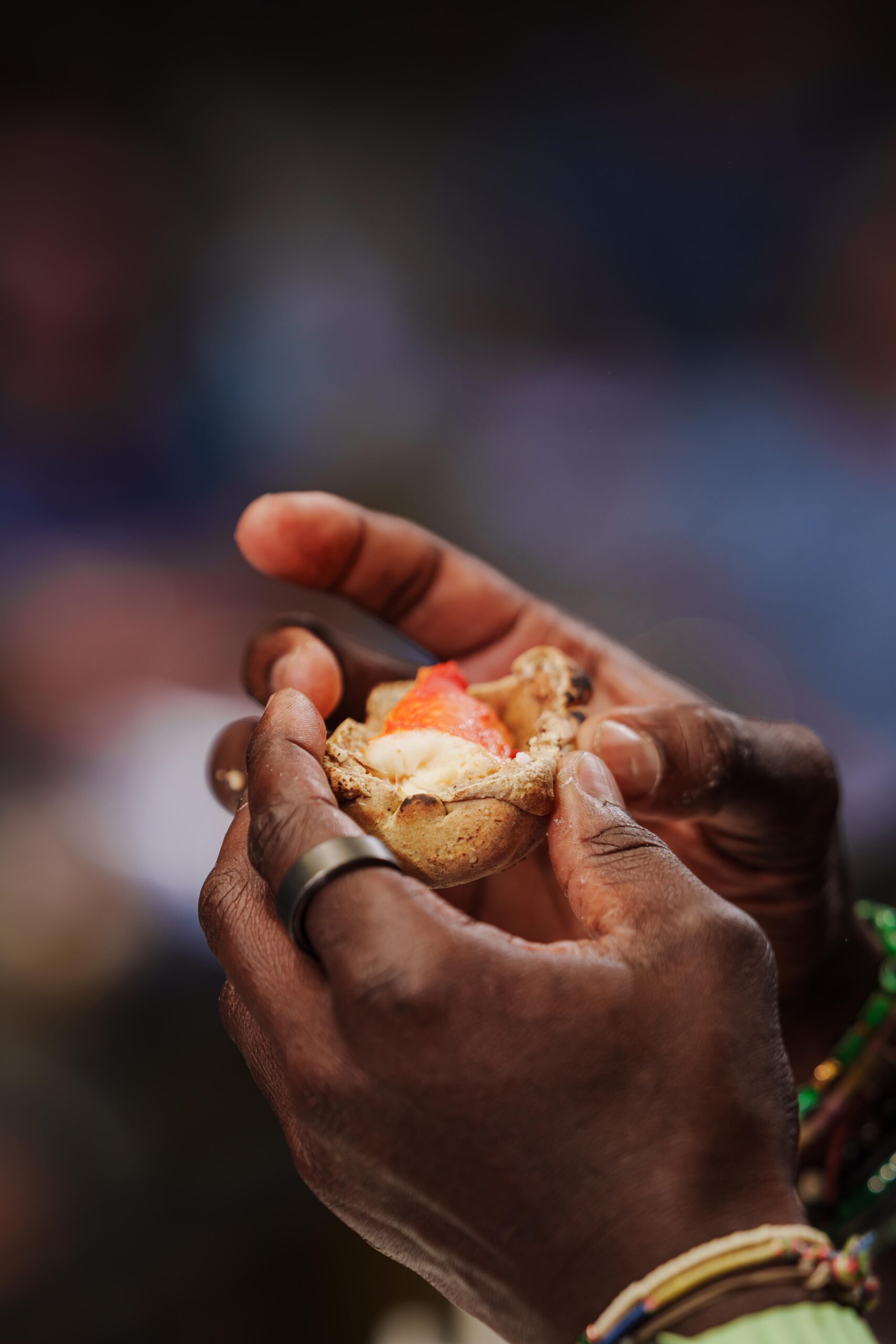
If Nobu represented refinement, Izu Ani brought theatre. His salt-crusted king crab arrived with the sort of dramatic flourish that immediately silenced nearby conversations. It was a dish designed to command attention, balancing technical skill with visual impact, and it succeeded on both counts. For the Marbella crowd, however, one chef carried a particular emotional resonance.
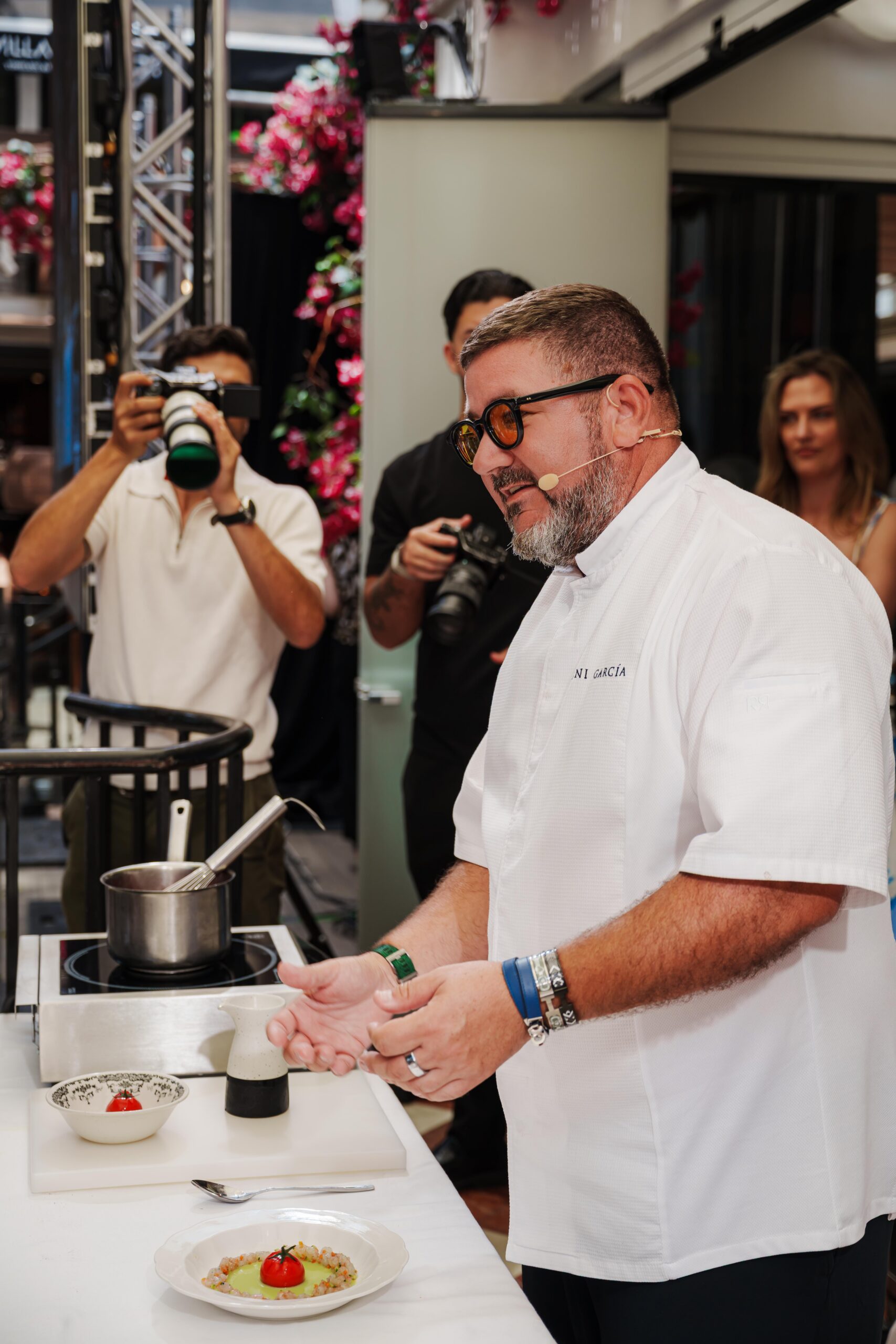
Dani García’s appearance felt less like a guest chef presentation and more like a homecoming. His Nitro Tomato has become one of the defining dishes of modern Spanish gastronomy, and seeing him recreate it in Marbella, where its story first began, was one of the afternoon’s most memorable moments. Years after its creation, the dish still provokes the same reaction: delight, curiosity and an almost universal scramble for mobile phones.
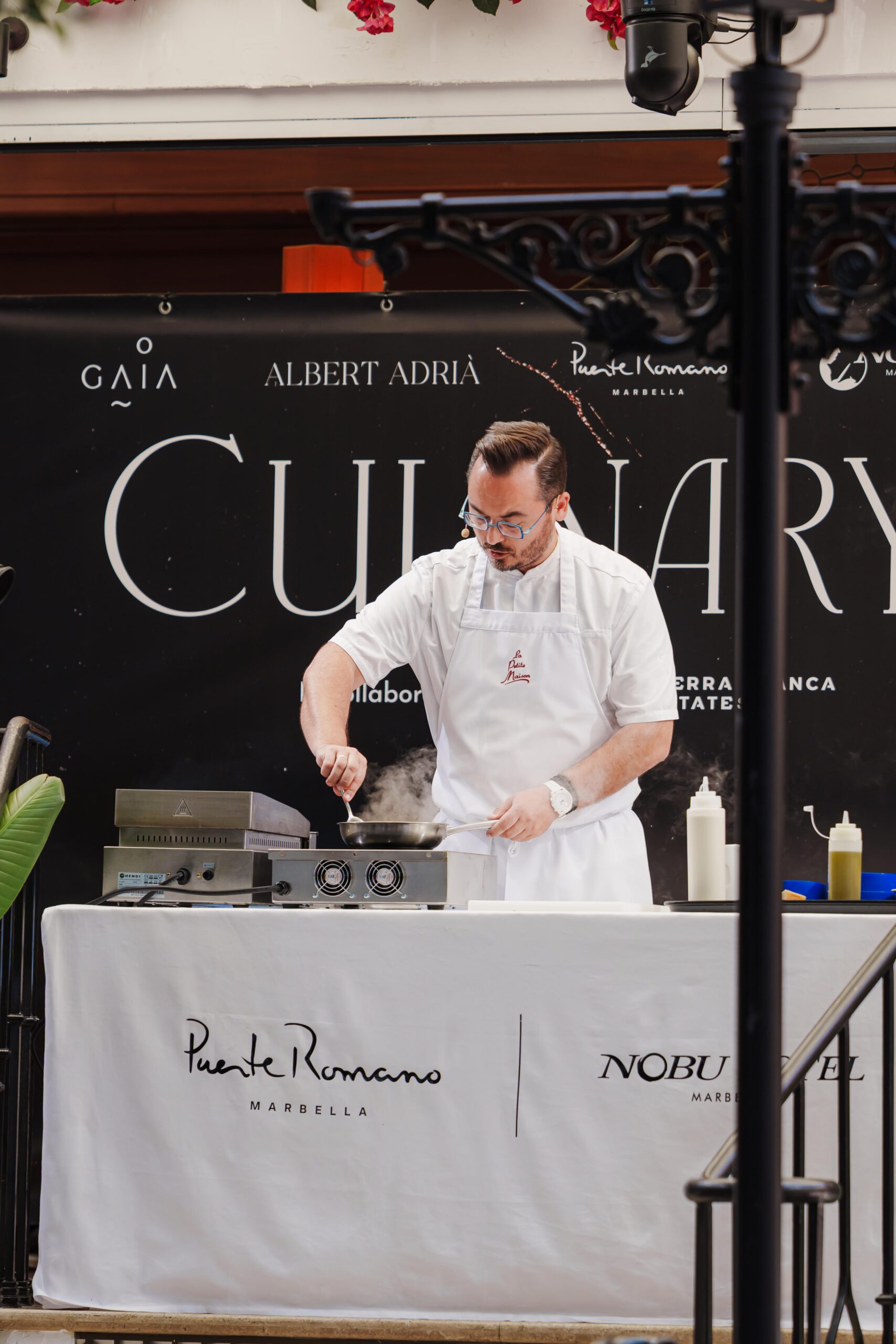
The newest faces on the Culinary Icons stage brought a welcome shift in tempo. Yiannis Kioroglou showcased two signatures from La Petite Maison that transported guests directly to the Côte d’Azur. Rigatoni aux Truffes and Caviar Pissaladière were elegant reminders that great Mediterranean cooking does not always need reinvention. Sometimes excellence lies in restraint.
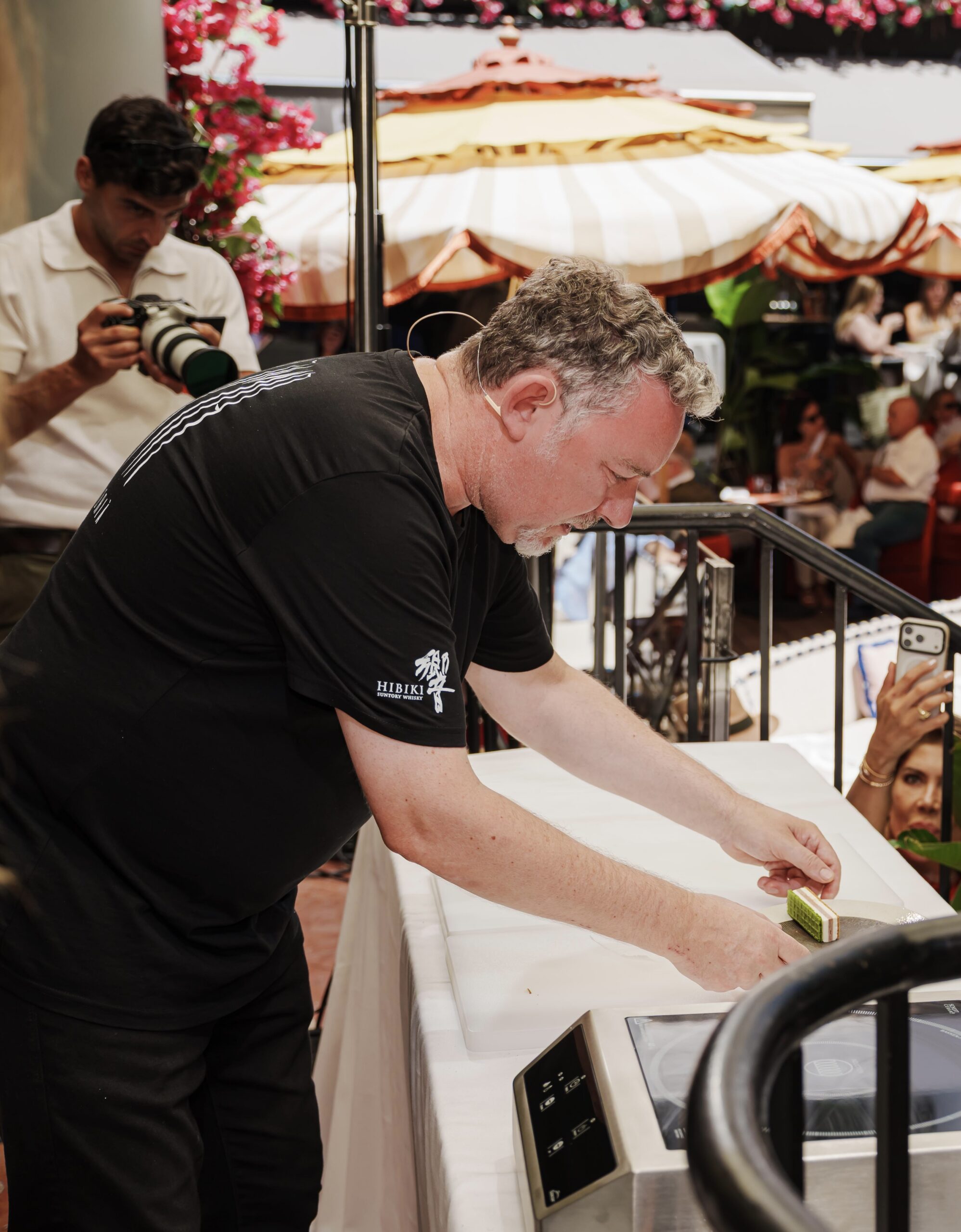
And then there was Albert Adrià.
Among chefs, Adrià occupies near-mythical status. His influence on modern gastronomy extends far beyond the kitchen, making his debut at Culinary Icons one of the most anticipated moments of the day.
He did not disappoint.
Closing the afternoon with two desserts, Adrià delivered exactly the sort of playful ingenuity that has defined his career. One creation masqueraded as a wine cork, causing more than a few guests to hesitate before realising it was entirely edible. The second, a chocolate and yuzu waffle, balanced richness and acidity with remarkable finesse. Both served as reminders that while many chefs strive to surprise, few do on his level of consistency.
What made the afternoon particularly compelling was the contrast between the chefs themselves. Five distinct personalities. Five culinary philosophies. Five completely different interpretations of excellence. Japanese precision sat alongside Spanish innovation, Riviera elegance beside boundary-pushing creativity.
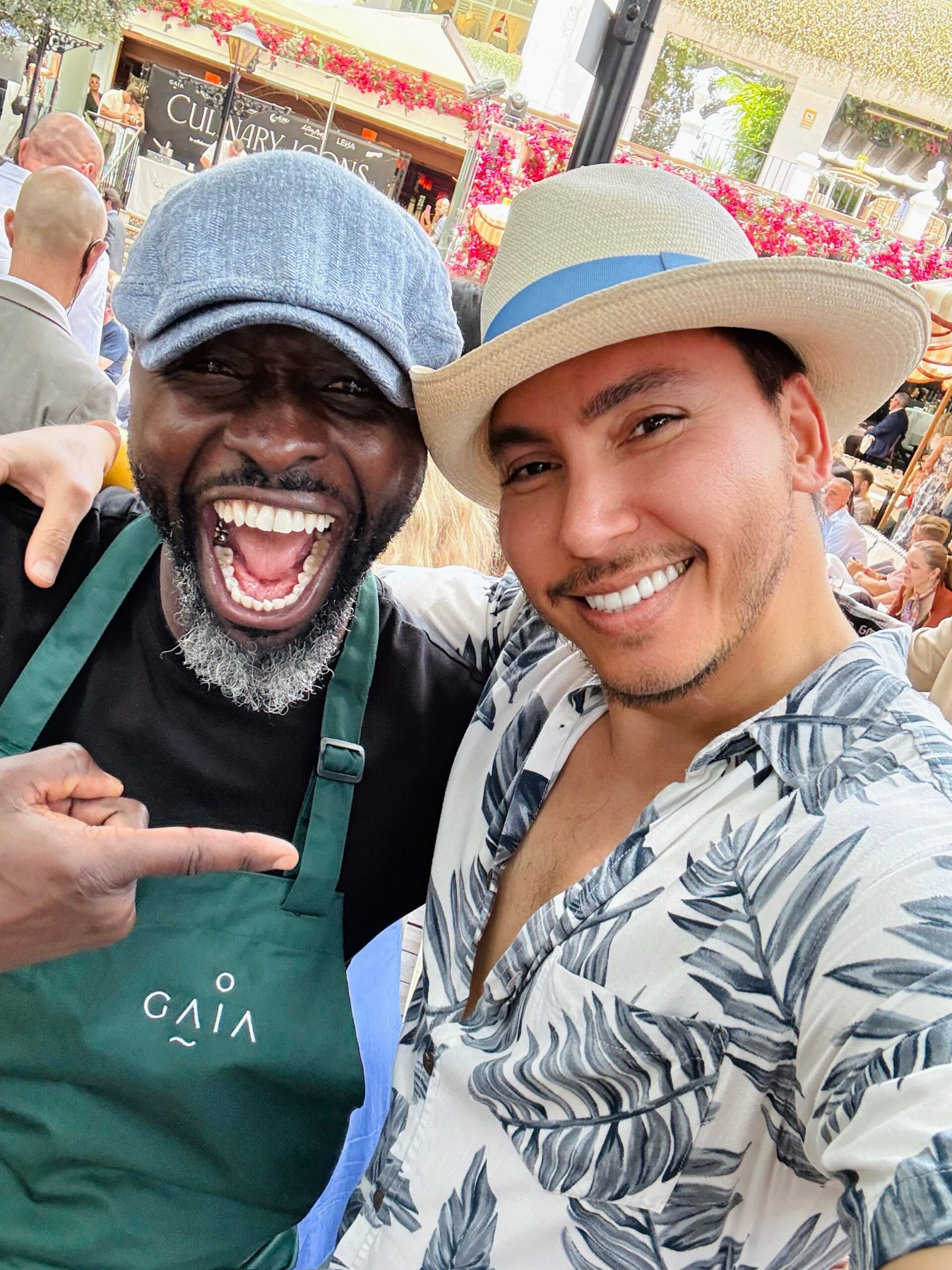
The event’s host, Daniel Shamoon, recognised this dynamic throughout his introductions. Rather than presenting a parade of celebrity names, he shared stories of friendships, collaborations and careers that have intersected over decades. The result felt personal rather than performative.
As the afternoon progressed, it became clear that Culinary Icons is not really about competition. No winner emerges. No dish claims supremacy. Instead, it offers something increasingly rare: the opportunity to see culinary legends outside the confines of their restaurants, sharing the dishes that helped define their careers and the stories behind them.
As guests lingered over final cocktails and the Mediterranean light began to soften, news arrived that a third edition is already planned for 2027.
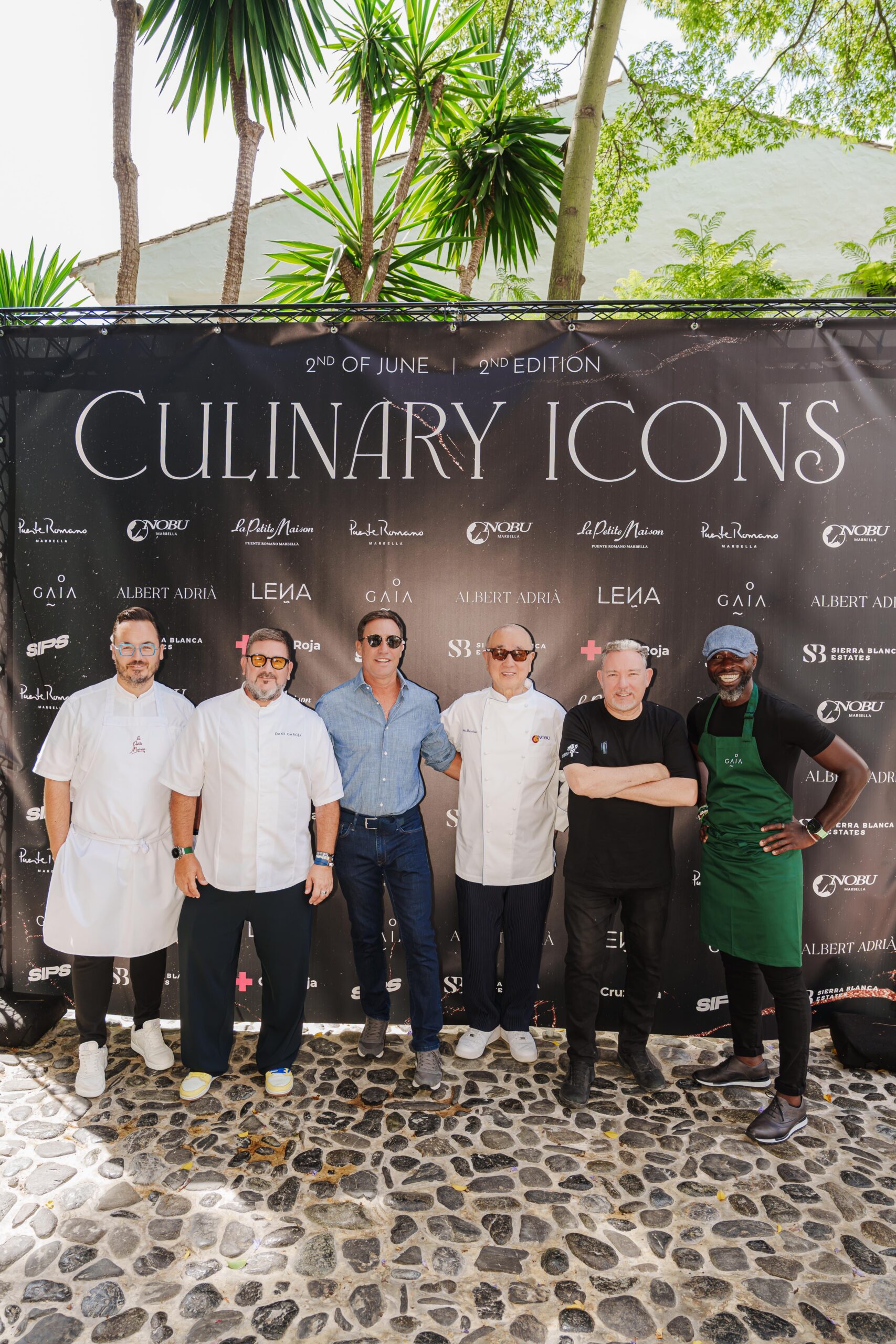
Nobody appeared surprised. After all, when Nobu Matsuhisa, Dani García, Izu Ani, Yiannis Kioroglou and Albert Adrià share a stage, the challenge is no longer attracting attention. It’s finding a way to follow the encore.
By: Lucas Raven