Location
Singapore has always been a city that rewards repeat offenders.
The first visit is a checklist. Marina Bay Sands. Gardens by the Bay. A Singapore Sling that costs as much as a decent lunch elsewhere. By the second, you’ve developed strong opinions about hawker centers and are telling anyone who’ll listen that Tiong Bahru is “where the real Singapore begins.” By the third, you’ve accepted that the city is always one step ahead of your assumptions. That’s its greatest luxury.
Unlike cities that wear their history on crumbling façades, Singapore edits itself with remarkable confidence. Buildings disappear. Neighborhoods evolve. Entire districts seem to undergo quiet reinvention between long weekends. Yet somehow, amid all this relentless renewal, the city has become more characterful rather than less.
Which makes Orchard Road an unexpectedly interesting place to revisit.
Often dismissed as Singapore’s polished shopping boulevard, Orchard is in fact experiencing something of an identity crisis—in the best possible sense. Luxury retail remains, naturally, but look beyond the storefronts and you’ll find leafy residential streets, heritage architecture, cocktail bars hidden inside restored shophouses and the quietly elegant enclave of Emerald Hill, where Peranakan houses remind visitors that Singapore’s story was always richer than glass towers and air-conditioned malls.
It is here, a short stroll from both Orchard Road’s energy and Emerald Hill’s slower rhythm, that The Hari Singapore will open in spring 2027. Its address feels less like a statement than a balancing act.
Close enough to the action that you’re never inconvenienced. Far enough removed that the city begins to feel lived in rather than performed.
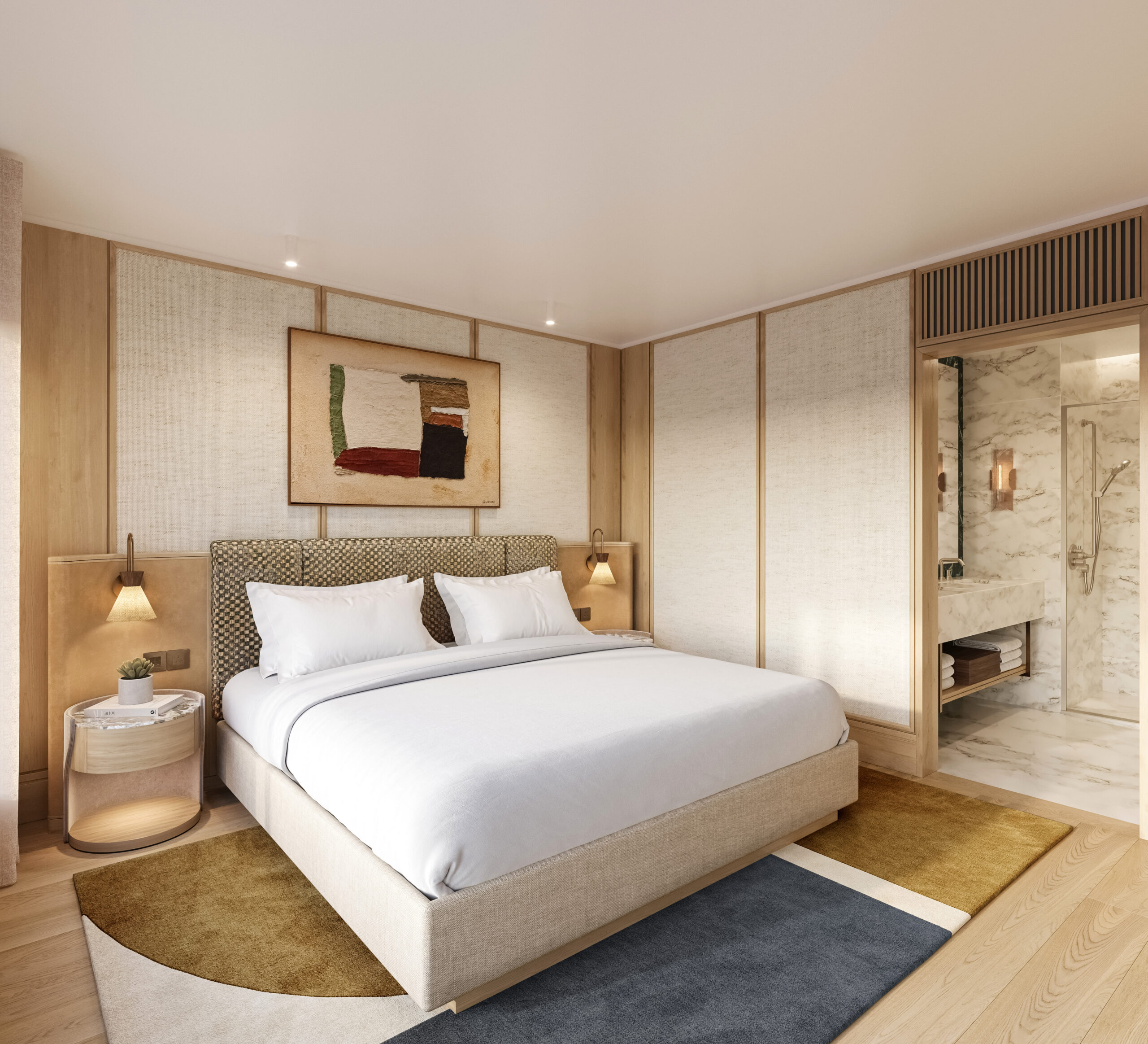
As someone who has spent enough nights in anonymous luxury hotels to forget which city I woke up in, that’s becoming increasingly appealing.
Gateway
Luxury hotels are having something of an existential moment. For years, the formula was reassuringly predictable. Bigger lobby. Larger spa. More restaurants than any sensible traveler could visit in a week. Somewhere along the way, many forgot that guests don’t actually travel to spend their holiday inside hotels. The best ones now understand something different.
They become gateways rather than destinations.
The Hari has quietly built its reputation around precisely this philosophy. Its London hotel slips effortlessly into Belgravia’s residential calm, while its Hong Kong sibling embraces Wan Chai’s creative energy without feeling performative. Neither shouts particularly loudly. Both possess the quiet confidence of places that know exactly who they are.
Singapore feels like a logical continuation.
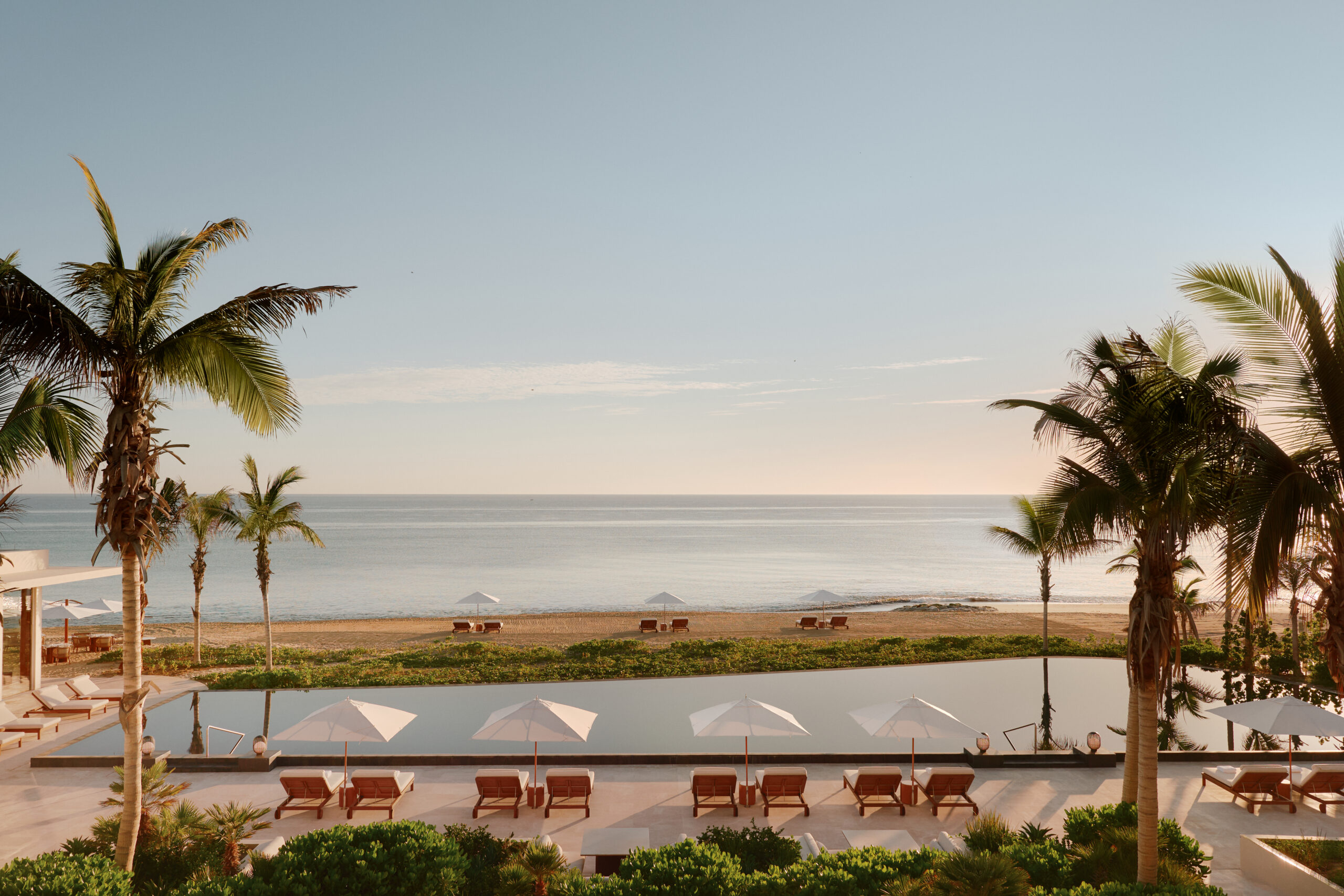
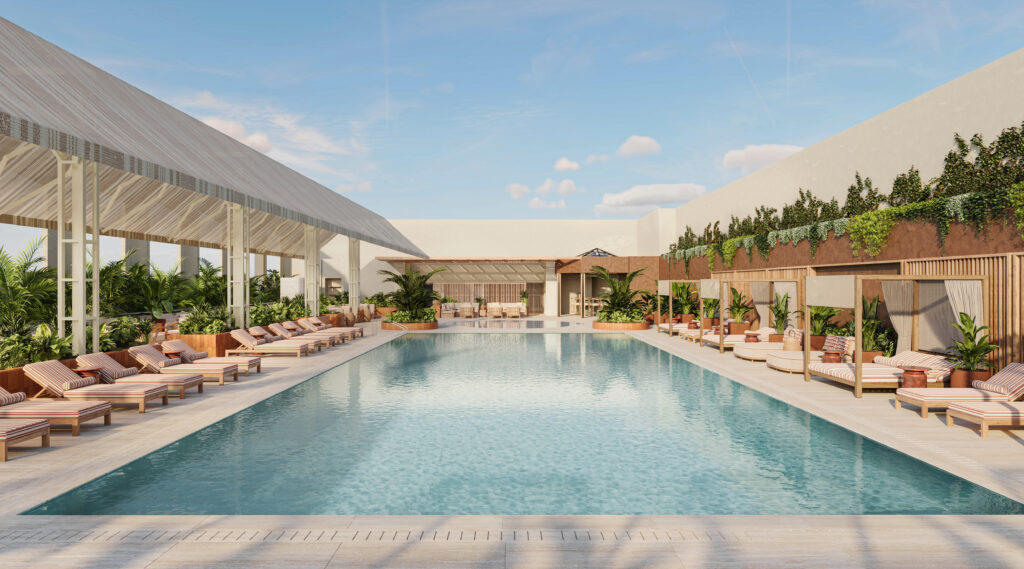
Opening as the third property under the Harilela Hotels umbrella, The Hari Singapore occupies a space between boutique intimacy and international polish. With 326 rooms, it is substantial without feeling overwhelming, promising the amenities expected of contemporary luxury—a rooftop pool, executive lounge, wellness facilities and destination dining—while placing equal emphasis on art, culture and neighborhood.
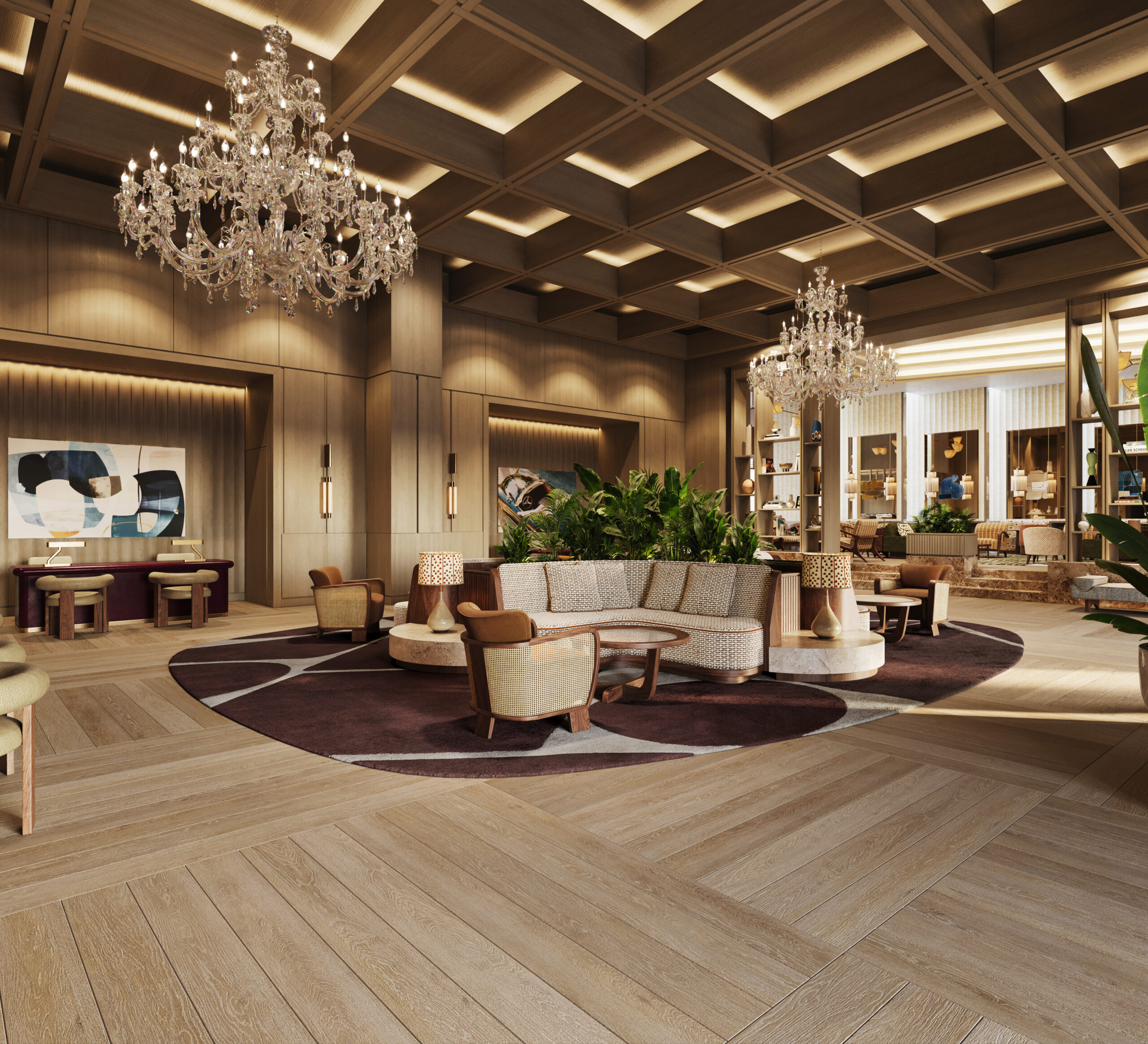
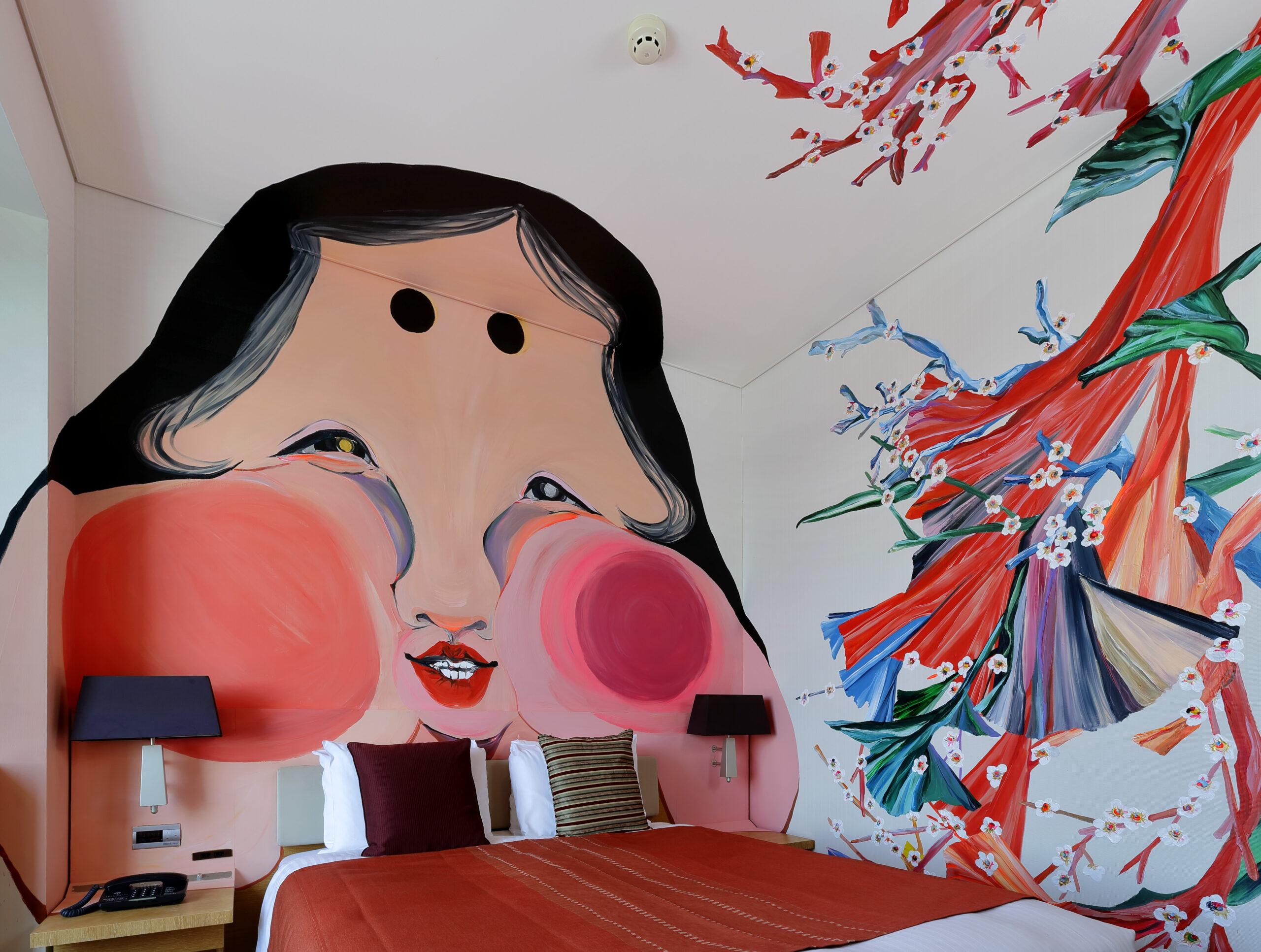
The rotating program of contemporary artwork has become something of a Hari signature, ensuring that the hotel remains in gentle conversation with the creative world beyond its front doors. It’s a small detail, perhaps, but revealing. Art isn’t treated as decoration so much as evidence that the hotel intends to keep evolving.
That feels particularly appropriate in Singapore, where reinvention has become almost civic policy.
Hospitality here has become intensely competitive. Every major luxury brand has arrived, often with increasingly theatrical gestures designed to capture attention on social media before guests have even checked in.
The Hari seems to be taking a different route.
Instead of asking guests to marvel at the building, it quietly encourages them to explore the city around it.
There’s something rather refreshing about that.
Architecture
One suspects Tara Bernerd understands that genuine luxury rarely announces itself.
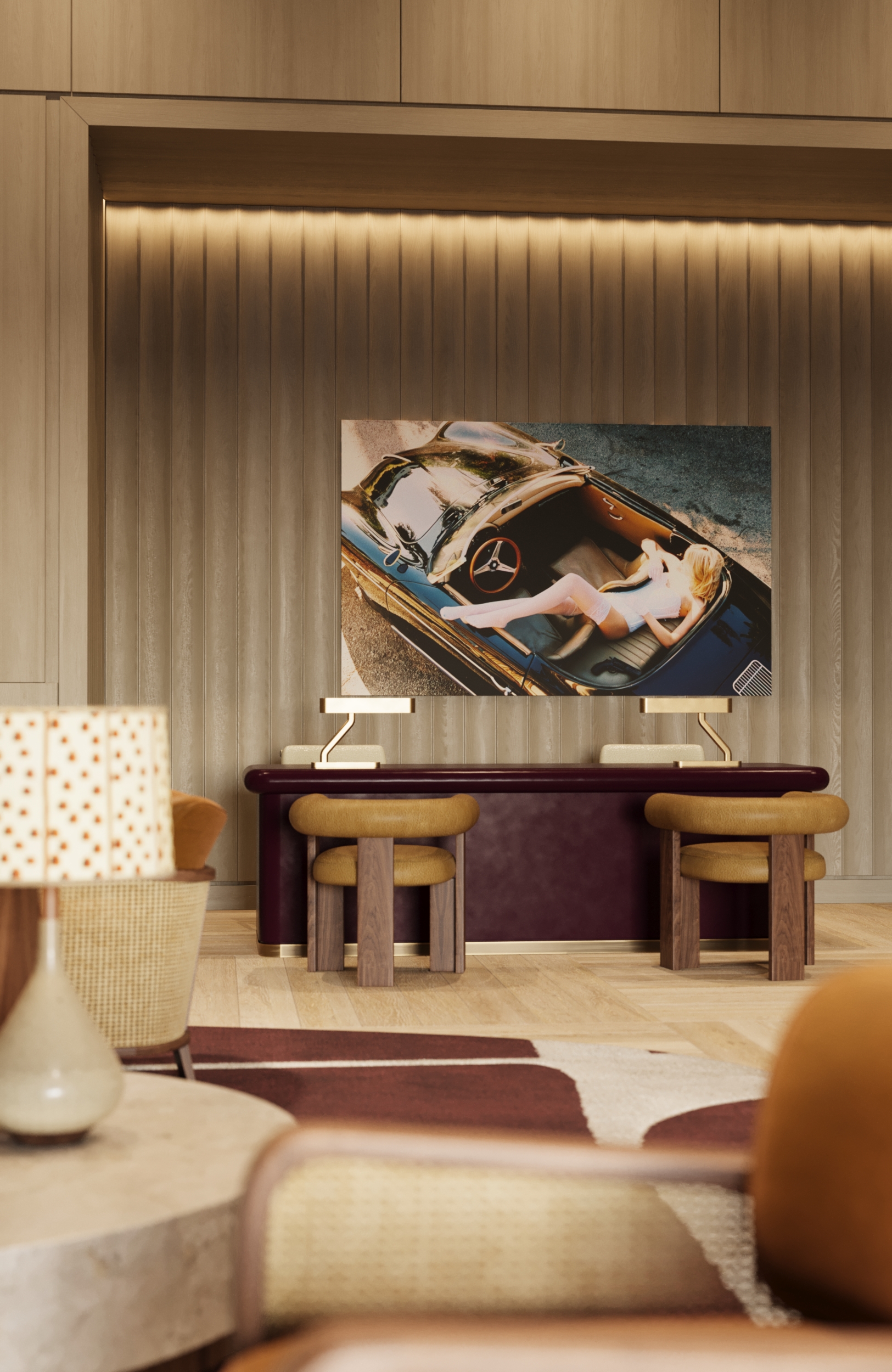
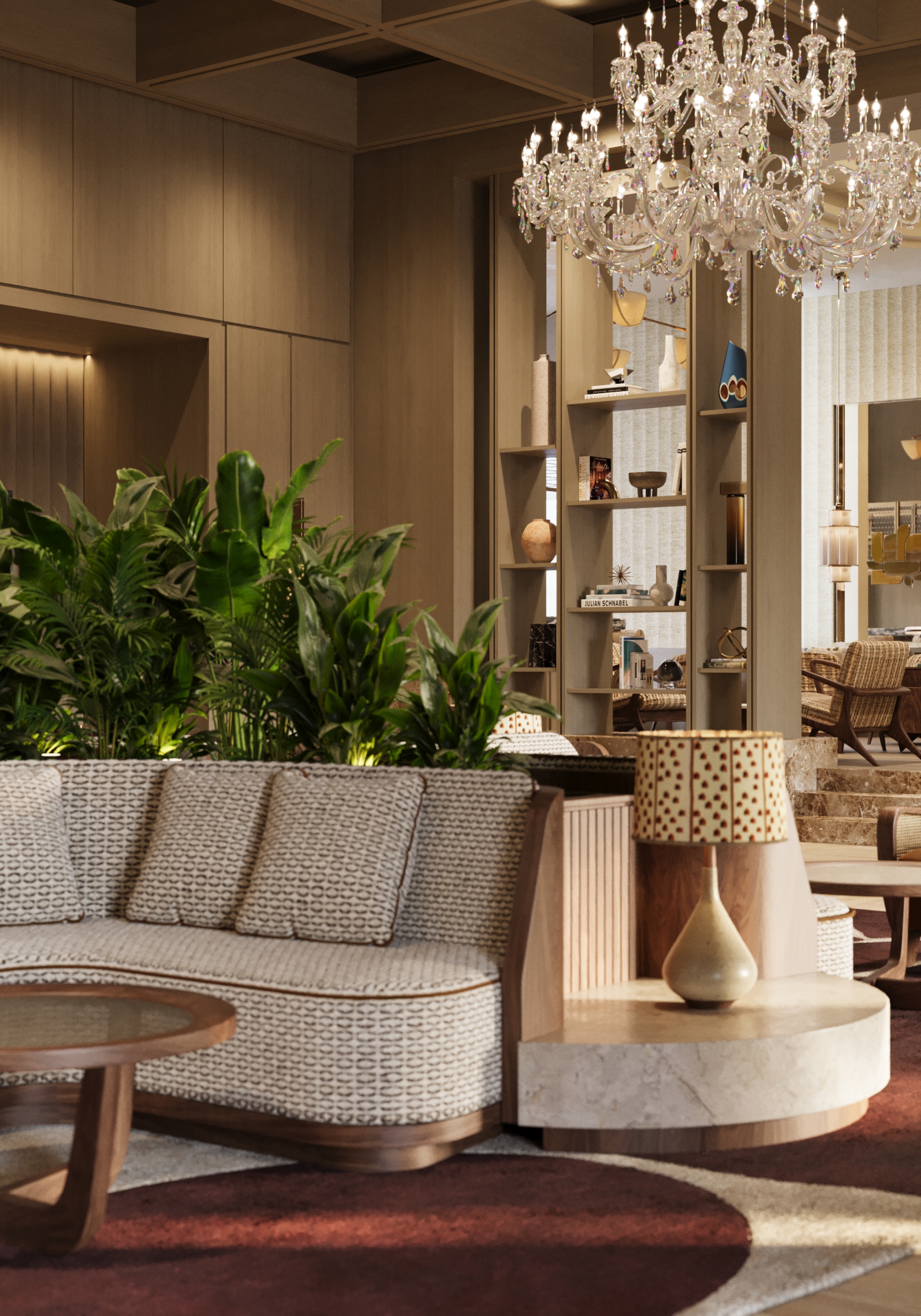
The British designer returns following her work on both The Hari London and The Hari Hong Kong, creating a visual language that has become synonymous with the brand: contemporary but never cold, elegant without veering into minimalism, layered rather than loud.
It’s the sort of design that reveals itself gradually.
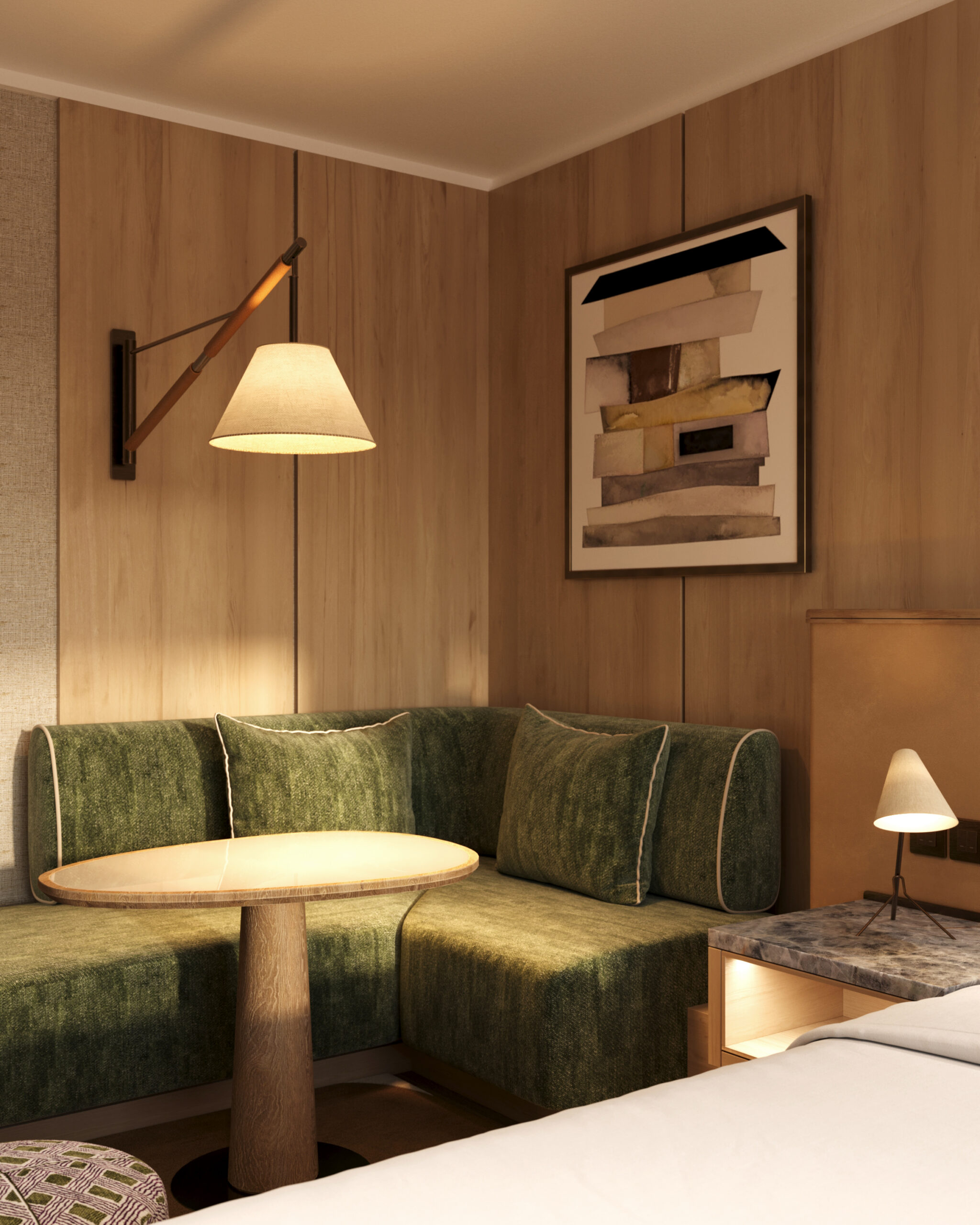
Lighting that flatters rather than dazzles. Materials chosen because they improve with age. Public spaces that invite lingering instead of merely facilitating movement between reception and lift.
These are surprisingly rare qualities.
Hotels often mistake scale for sophistication. Vast atriums echo with expensive emptiness while guest rooms become exercises in fashionable restraint that somehow forget comfort.
The Hari has generally avoided that trap. Instead, its interiors tend to feel residential in the best possible sense—as though someone with impeccable taste actually lives there rather than merely commissioned the furniture.
The Singapore property promises to continue that philosophy while drawing inspiration from the city itself. Contemporary elegance meets local character, not through predictable visual clichés but through atmosphere. Singapore doesn’t need another hotel decorated with oversized orchids and nostalgic references to colonial glamor. It deserves something subtler.
The building itself also represents a fascinating form of architectural recycling. Rather than constructing yet another luxury tower, the former Holiday Inn Singapore Orchard City Centre will undergo a comprehensive transformation.
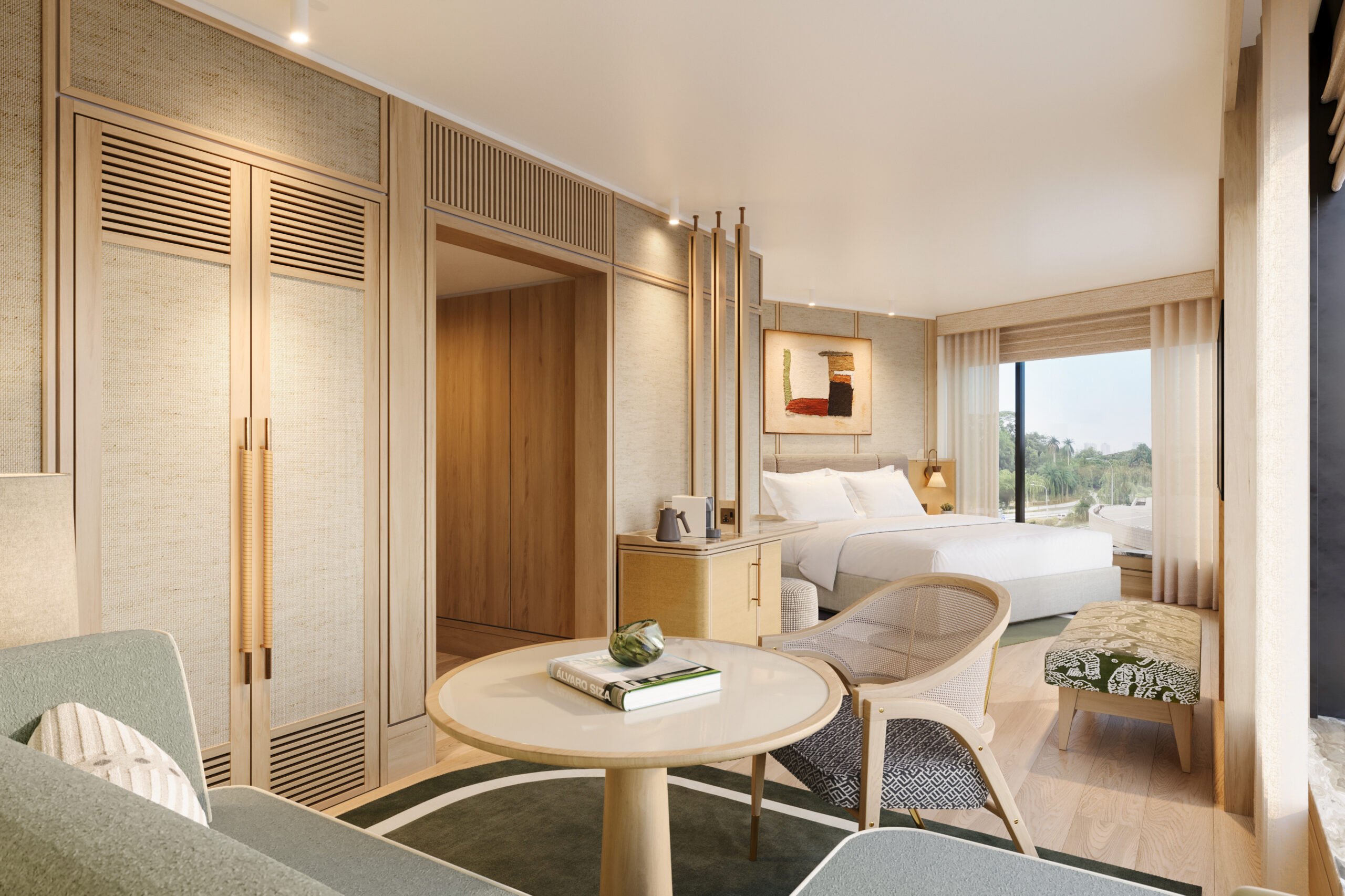
Adaptive reuse has become one of hospitality’s most interesting conversations. Increasingly, the most compelling luxury hotels are those that choose reinvention over replacement. There’s something quietly optimistic about preserving a building’s place in the urban fabric while giving it an entirely new identity.
Singapore, a city so often associated with the new, may be discovering that renewal can sometimes be more interesting than novelty.
Leadership
Hotels are frequently judged by their architecture and remembered because of their people.
Which is why Andreas Kraemer may prove to be The Hari Singapore’s most significant appointment.
His résumé reads like a map of modern Asian hospitality: leadership roles across Europe and Asia, culminating in more than five years as General Manager of InterContinental Singapore, where he oversaw a period of strategic luxury repositioning and commercial growth.
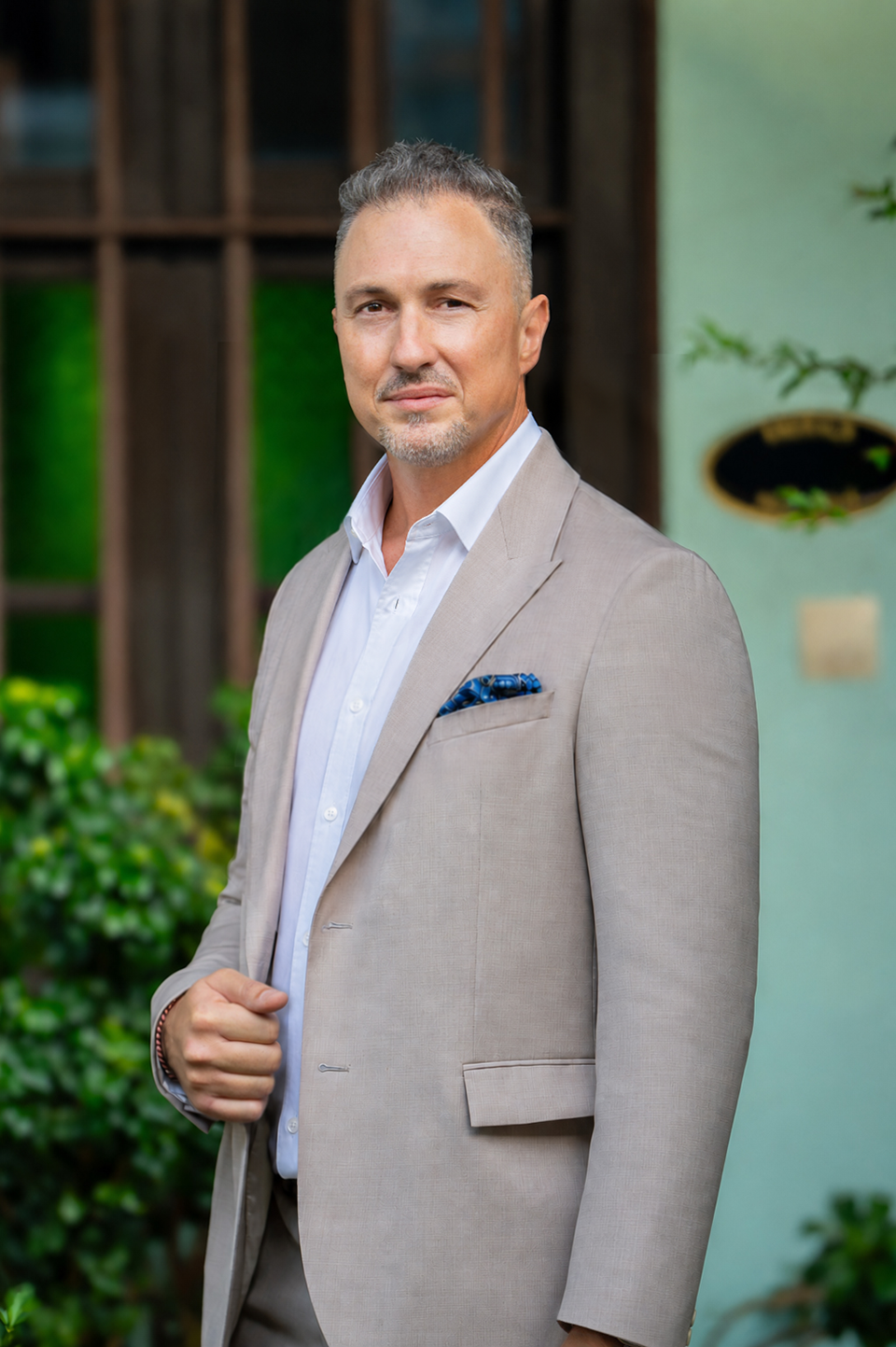
Experience matters. But perspective matters more. When Kraemer says, “Singapore doesn’t need another hotel. It deserves hotels with character,” it doesn’t sound like marketing copy. It sounds like someone who has spent three decades understanding what guests actually remember after checkout. Not the marble. Not the thread count. Not even the rooftop pool.
They remember conversations with concierges. Bartenders who knew exactly what they wanted before they ordered. A receptionist who somehow remembered their name three days later. The feeling that a hotel belonged to its city rather than existing in splendid isolation above it.
Dr Aron Harilela has long spoken about The Hari as a brand rooted in heartfelt hospitality, cultural curiosity and understated luxury. It is a philosophy inherited from a family whose involvement in hospitality stretches back decades and whose portfolio now spans multiple continents.
The challenge for this iconic city is not simply opening another luxury hotel. It’s creating somewhere that feels inevitable—as though it had always belonged there.
Judging by its sister properties in London and Hong Kong, The Hari has little interest in competing to be Singapore’s biggest, tallest or most extravagant hotel.
It seems content to pursue something considerably harder. Becoming one of the city’s most memorable.
By: Lucas Raven