Cruise ships? Not quite.
There is a particular moment in luxury travel when a perfectly respectable idea becomes so luxurious that it begins to sound faintly absurd.
Private plunge pools on yachts? Naturally. A Michelin-starred restaurant at sea? Sensible. A Birkin boutique on board? Well, obviously.
A 929-square-metre suite with its own pool, spread across four levels of a yacht? At this point, one assumes the ocean has personally offended someone. Welcome to the new age of the floating five-star hotel.
For decades, the luxury cruise industry has worked on the principle that the answer to every possible holiday requirement is to put it on a very large ship. More restaurants. More bars. More entertainment. More pools. More passengers.
The latest generation is taking almost precisely the opposite approach.
Aman, Four Seasons, Ritz-Carlton, Orient Express and Jumeirah are all moving into the water with vessels that look less like cruise ships and more like the world’s most overqualified boutique hotels. They are smaller, quieter and, crucially, designed around the hospitality brand rather than the mechanics of cruising.
The result is a new category somewhere between a superyacht, a private members’ club and a five-star hotel — with the useful advantage that the hotel moves. And it is not merely moving from A to B. It is moving very slowly, very beautifully, while somebody brings you champagne.
The distinction matters.
These are not simply luxury cruise ships with nicer upholstery. The ambition is to reproduce the experience of a great hotel at sea: the same degree of privacy, the same attention to service, the same obsession with food, design and materials, but with the inconvenience of having to remain in one location removed.
It is, in many ways, the ultimate hotel upgrade.
Your room has a balcony. Your balcony has an ocean. And your ocean changes every morning.
Luxury hospitality comes first
The most interesting thing about the new vessels is that each brand has essentially taken its own definition of luxury and translated it into nautical form.
Aman is perhaps the clearest example.
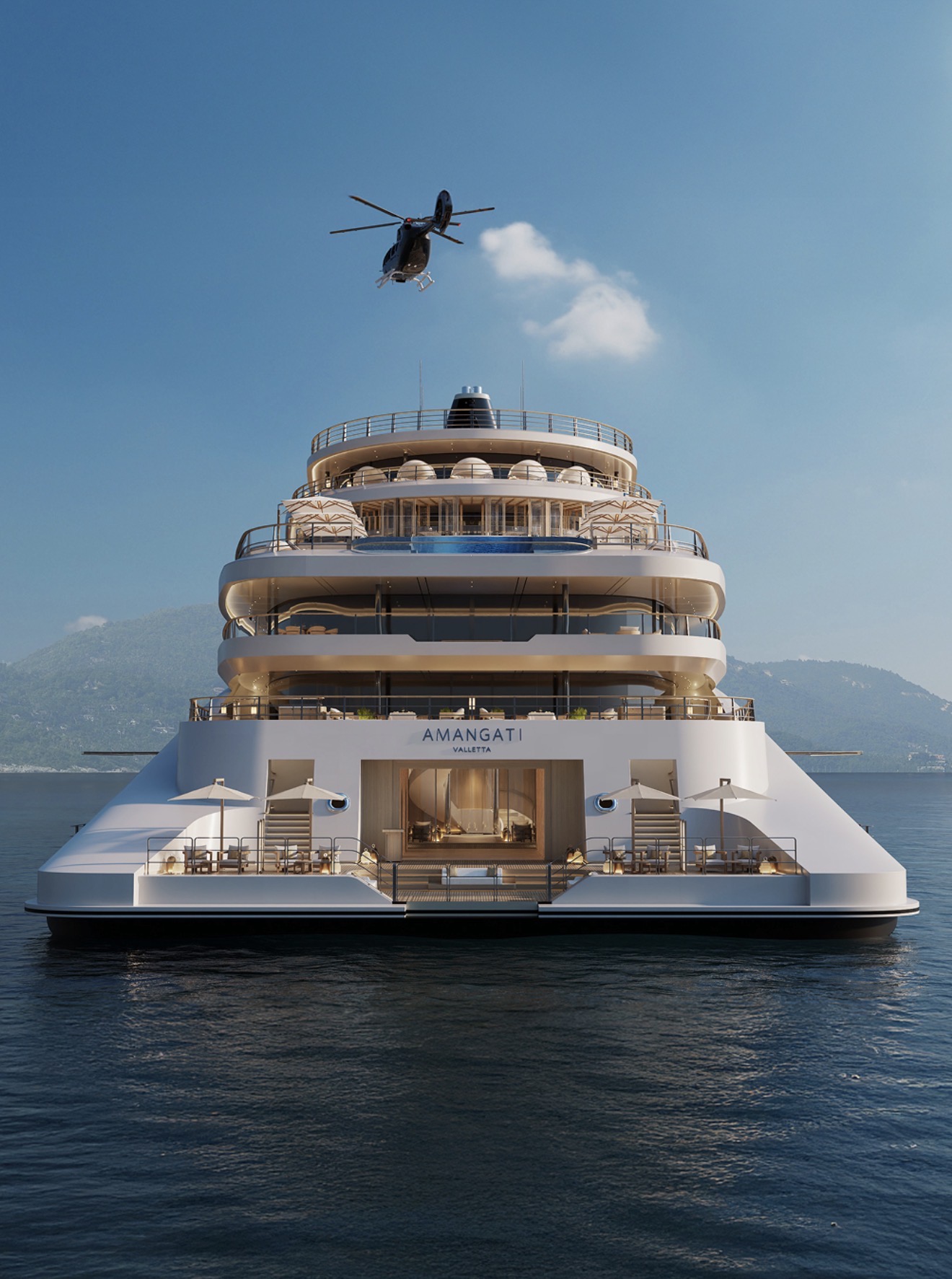
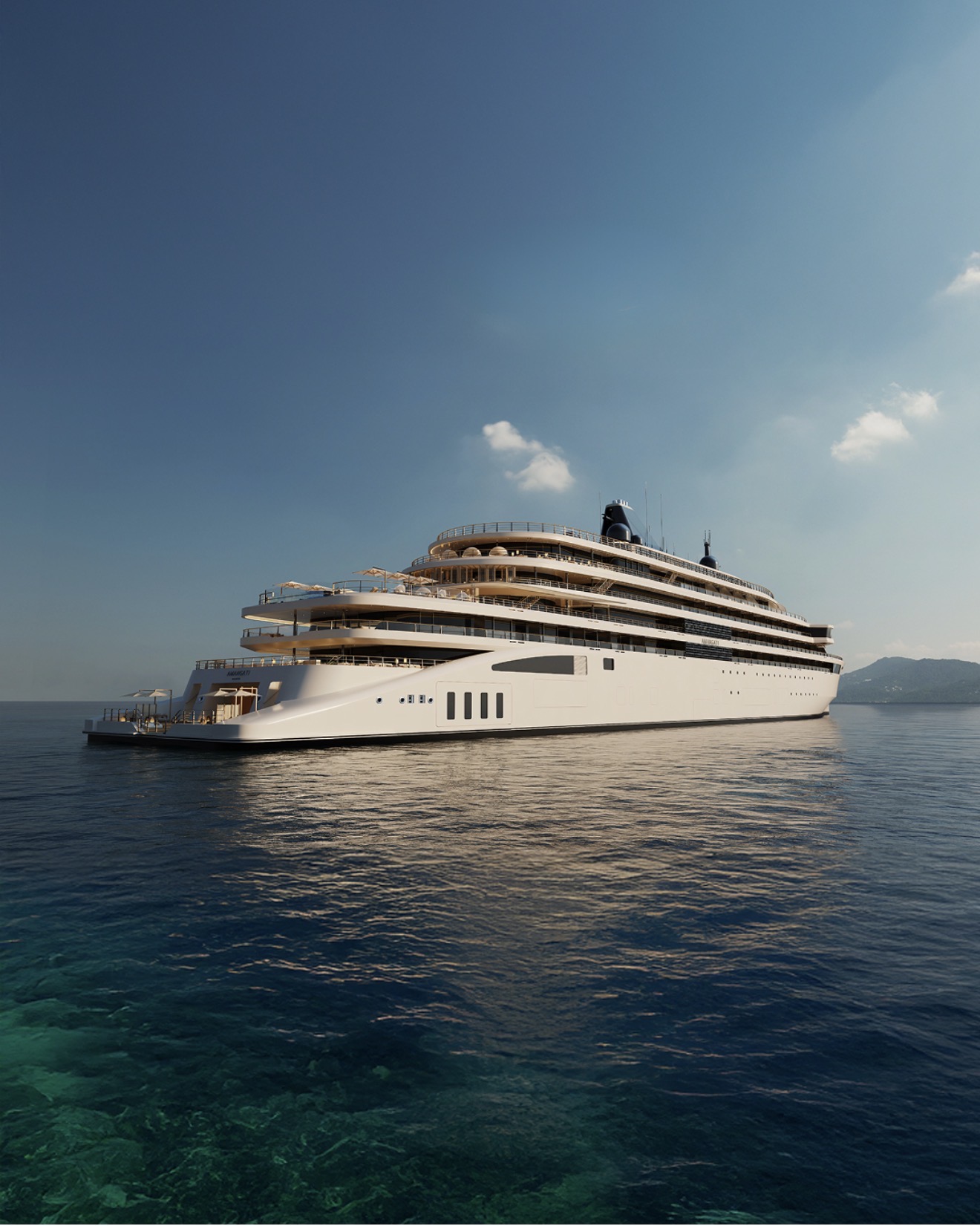
Amangati, due to enter service in 2027, carries just 94 guests in 47 suites. There are eight dining and bar venues, a two-storey Aman Spa with a Japanese serenity garden, ocean-facing treatment rooms and suites with private terraces and dedicated Suite Hosts. The largest Aman Suite is 354 square metres and comes with its own whirlpool and massage room.
It is less “cruise ship” than “Aman resort that has become curious about geography”.
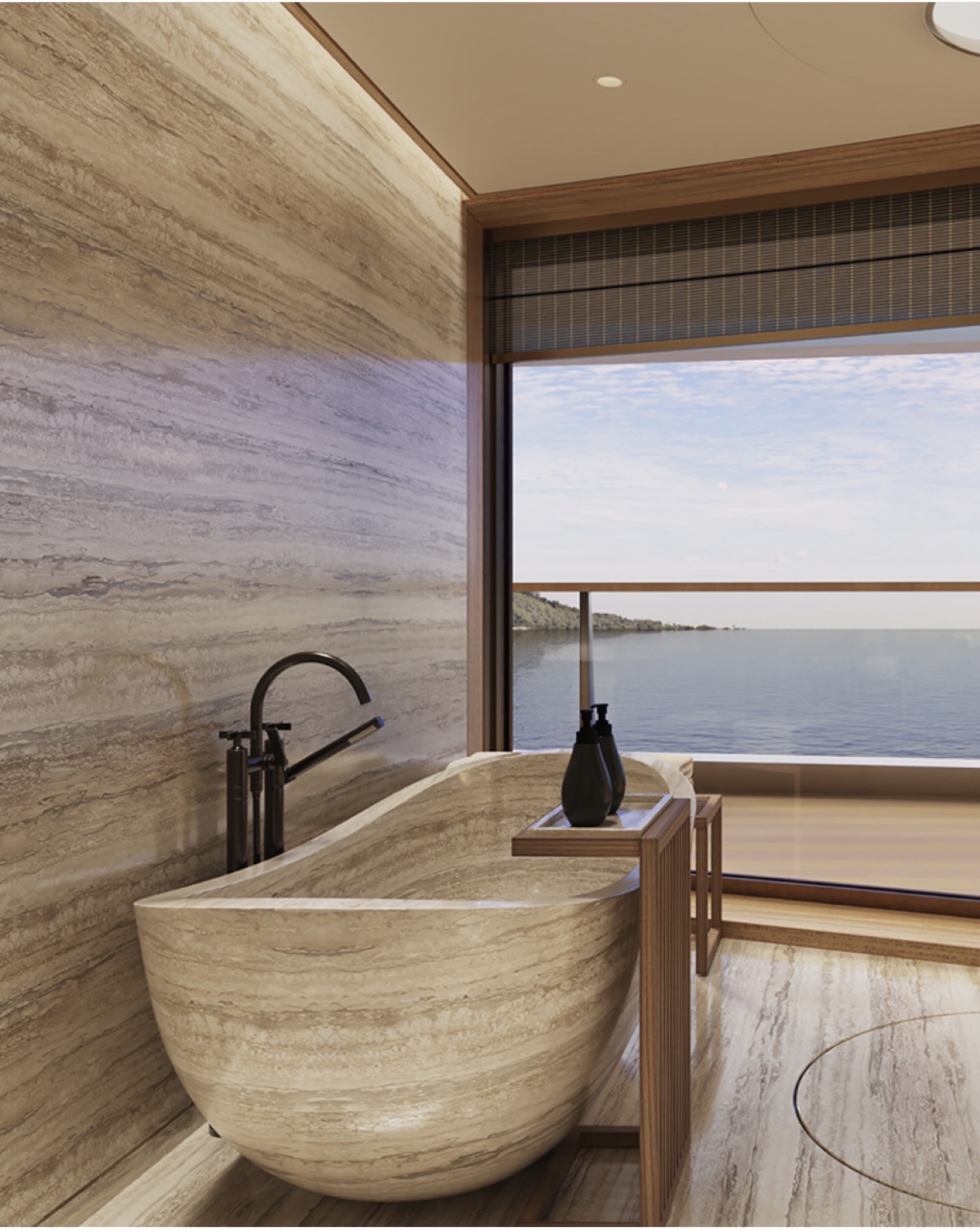
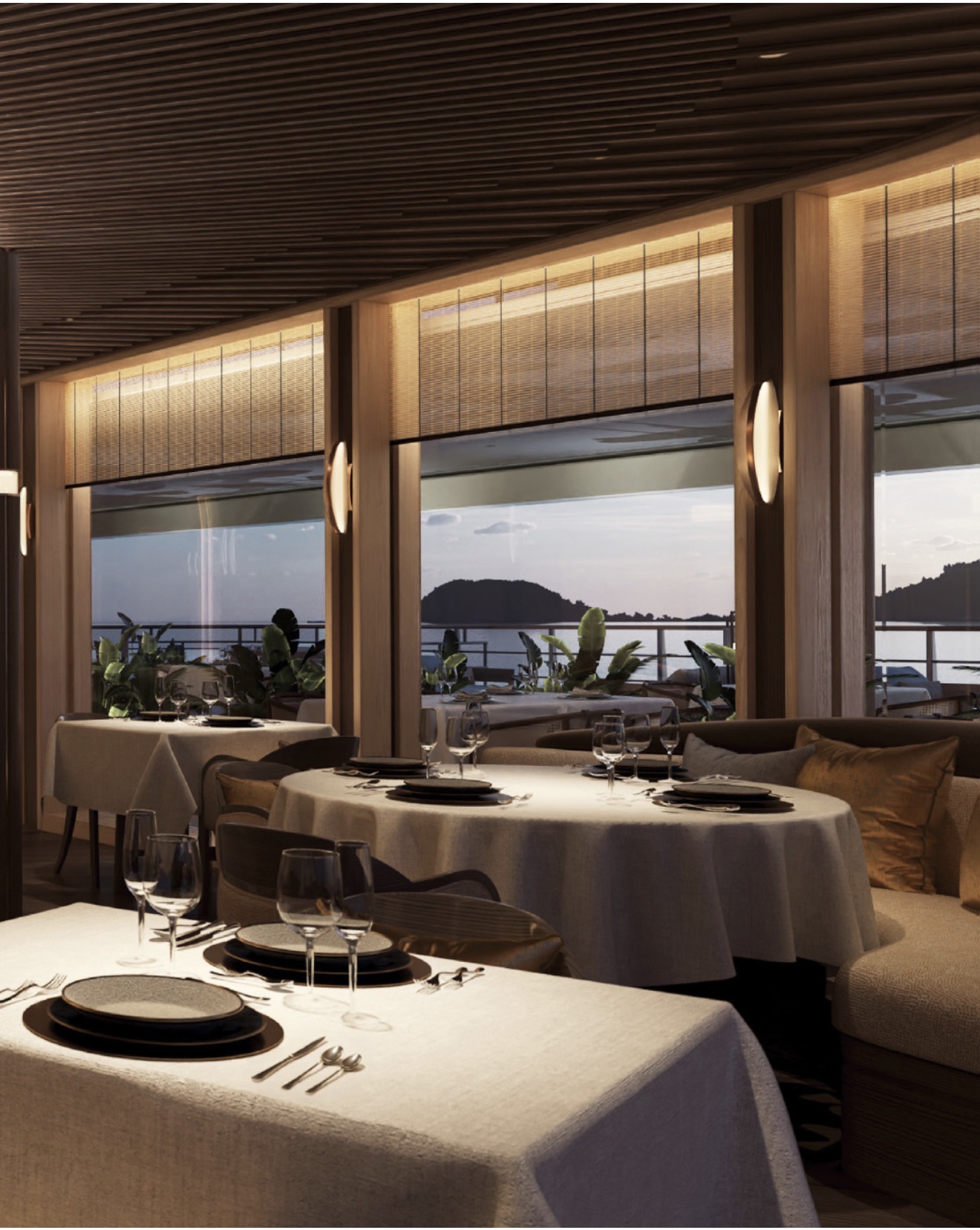
And the design is unmistakably Aman: natural materials, muted tones, generous proportions and an almost aggressive commitment to visual calm. Designed by Sinot Yacht Architecture & Design, the yacht is intended to feel residential rather than maritime. There are no great theatrical atriums screaming for your attention. No sense that somebody has installed a shopping centre and then attached an engine.
The sea is the entertainment. That may sound obvious, but in the world of cruising it is almost radical.
Four Seasons takes the idea in a more expansive direction.
Four Seasons I, the brand’s first yacht, is 207 metres long, with 95 suites for 190 guests and roughly a one-to-one guest-to-staff ratio. Its design, by Tillberg Design of Sweden and Martin Brudnizki Design Studio, is contemporary, polished and residential, with floor-to-ceiling glass and large private terraces.
There are 11 restaurants and lounges, a marina, spa, pools and an extraordinary four-level Funnel Suite measuring 929 square metres.
Yes, four levels. One assumes the Four Seasons development meeting went something like this:
“Could we make the suite slightly larger?”
“We could.”
“How much larger?”
“Well, technically, it could occupy a small apartment block.”
“Excellent.”
The yacht’s culinary programme is equally serious, with restaurants ranging from Mediterranean seafood to Japanese omakase, alongside a Chef-in-Residence programme featuring chefs from Michelin-starred Four Seasons restaurants.
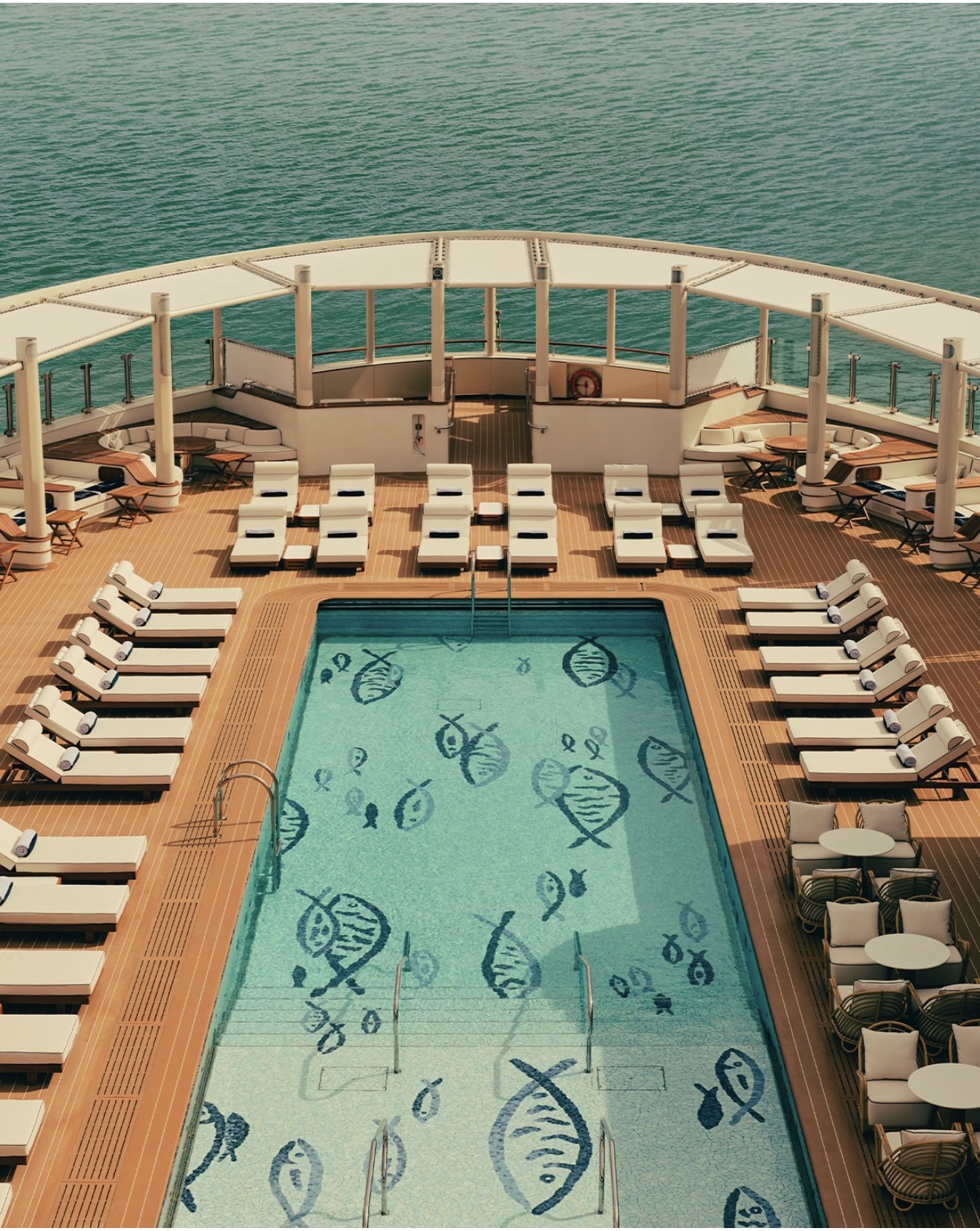
It is a very different interpretation of the same idea: if Aman wants you to disappear into the horizon, Four Seasons wants you to do it exceptionally comfortably.
Then there is Orient Express
If Aman is serenity and Four Seasons is polished residential luxury, Orient Express Corinthian is pure theatre.
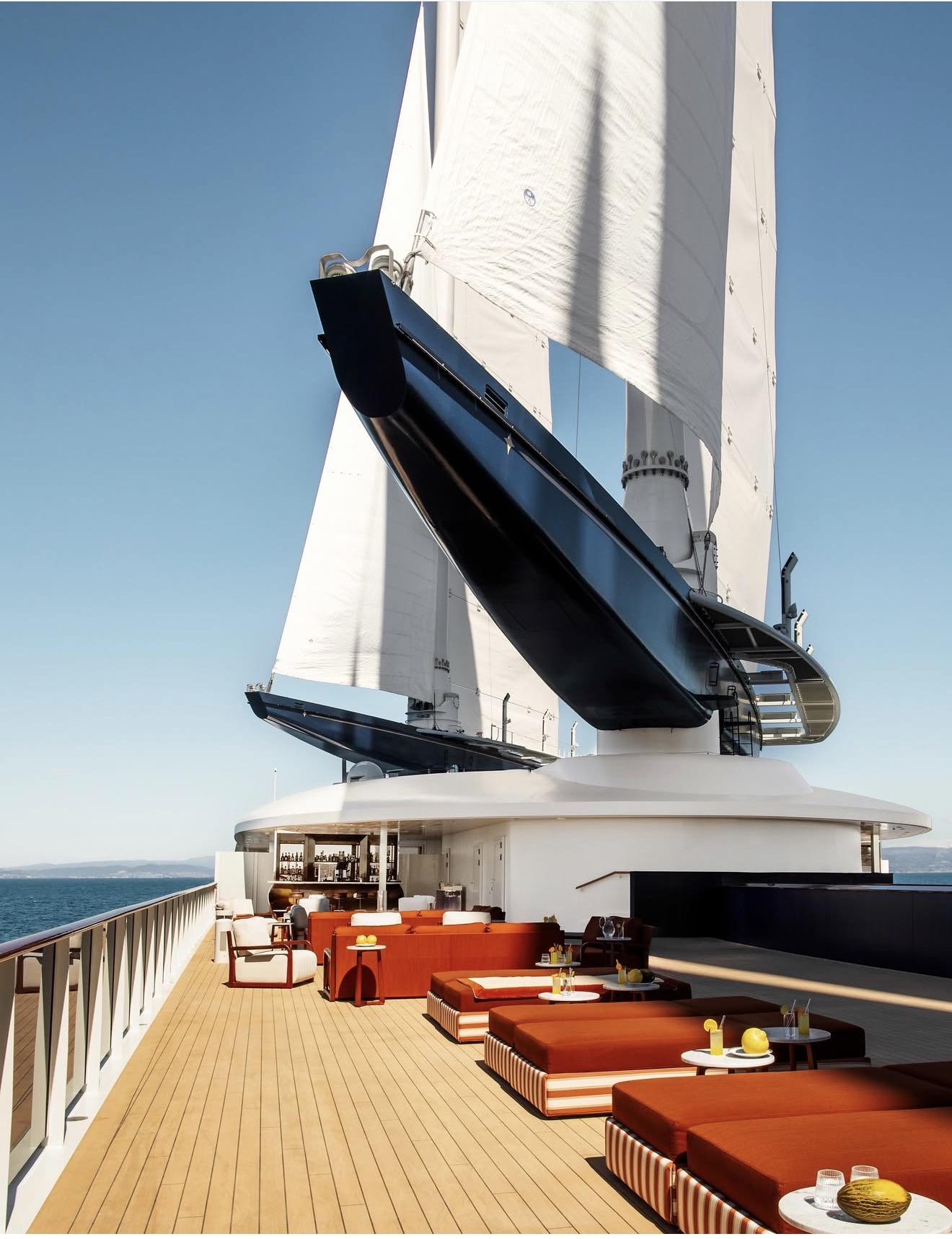
At 220 metres, with 54 suites and only 110 guests, it is an extraordinary proposition: the world’s largest sailing yacht, complete with three enormous SolidSail structures that deploy from carbon-fibre-reinforced masts.
This is not merely a ship that happens to have sails. The sails are part of the experience.
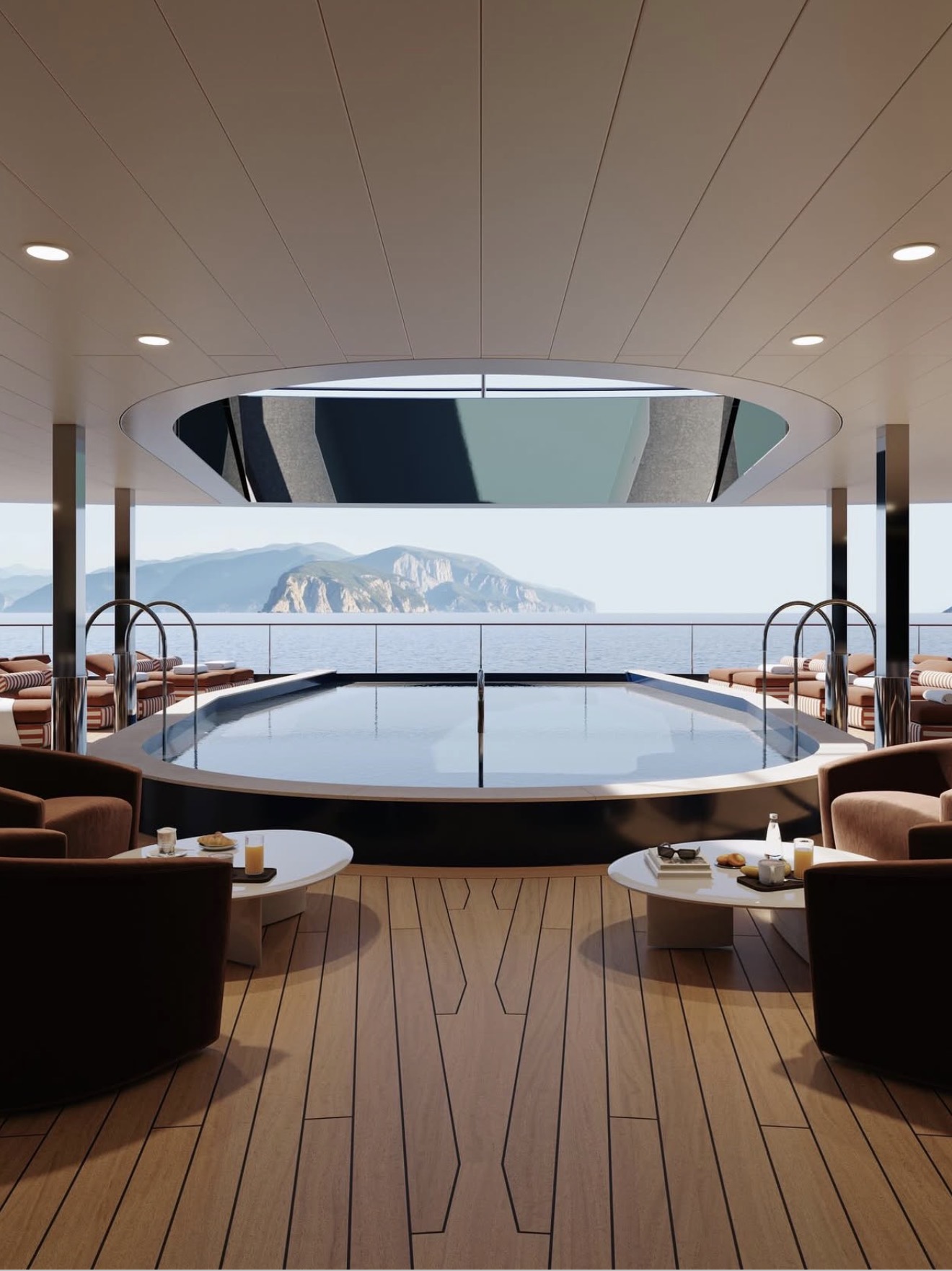
Designed by Maxime d’Angeac, the interiors draw heavily on the golden age of rail travel and ocean liners, with wood, leather, marble and Art Deco details. Suites range from 45 to 230 square metres, each with a panoramic 3.6-metre window, and every suite comes with its own butler.
There are five restaurants and private dining spaces, with the culinary programme overseen by multi-Michelin-starred chef Yannick Alléno, plus eight bars.
There is also a 115-seat cabaret, an Art Deco speakeasy, cinema, recording studio, pool, swimming lane and Guerlain spa. At this point, calling it a yacht begins to feel slightly reductive.
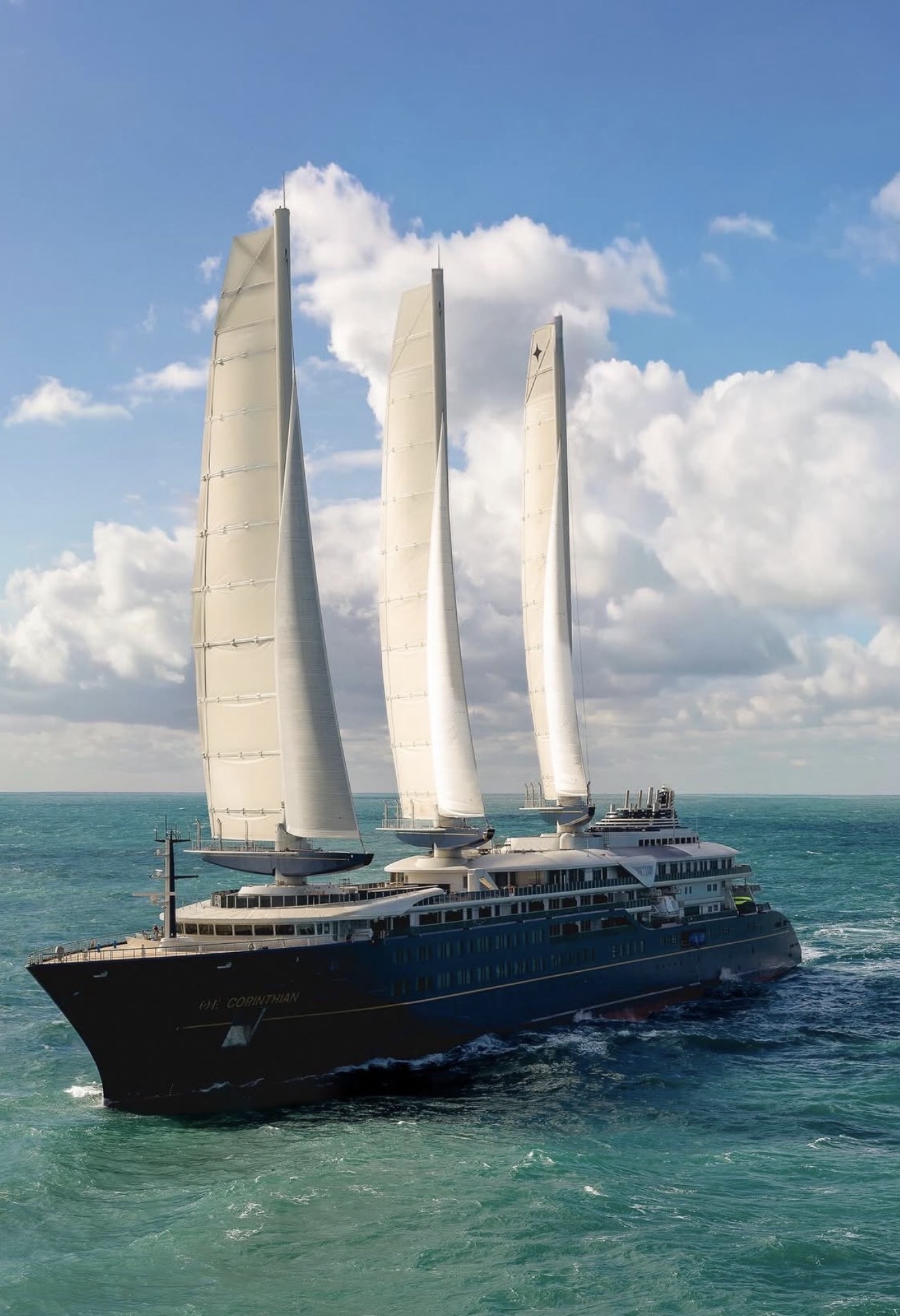
It is essentially a very handsome piece of European nostalgia that has learned how to cross an ocean. Its first voyages concentrate on the Mediterranean and Adriatic — Venice, Dubrovnik, Portofino, Capri, Palermo, the Côte d’Azur — before moving towards the Caribbean.
The Orient Express proposition is perhaps the most romantic of all. Not necessarily because it is the most luxurious. Because it understands that luxury travel is partly about making the journey feel important.
The superyacht hiding in plain sight
Then there is The Maltese Falcon by Jumeirah, which comes from a slightly different direction.
The Maltese Falcon was already famous long before Jumeirah arrived. At 88 metres, with three rotating carbon-fibre masts and 2,400 square metres of sail, it is a genuine superyacht rather than a cruise ship wearing yacht clothing.
Now operating as a Jumeirah Privé experience, it accommodates just 12 guests in six cabins, with 19 crew.
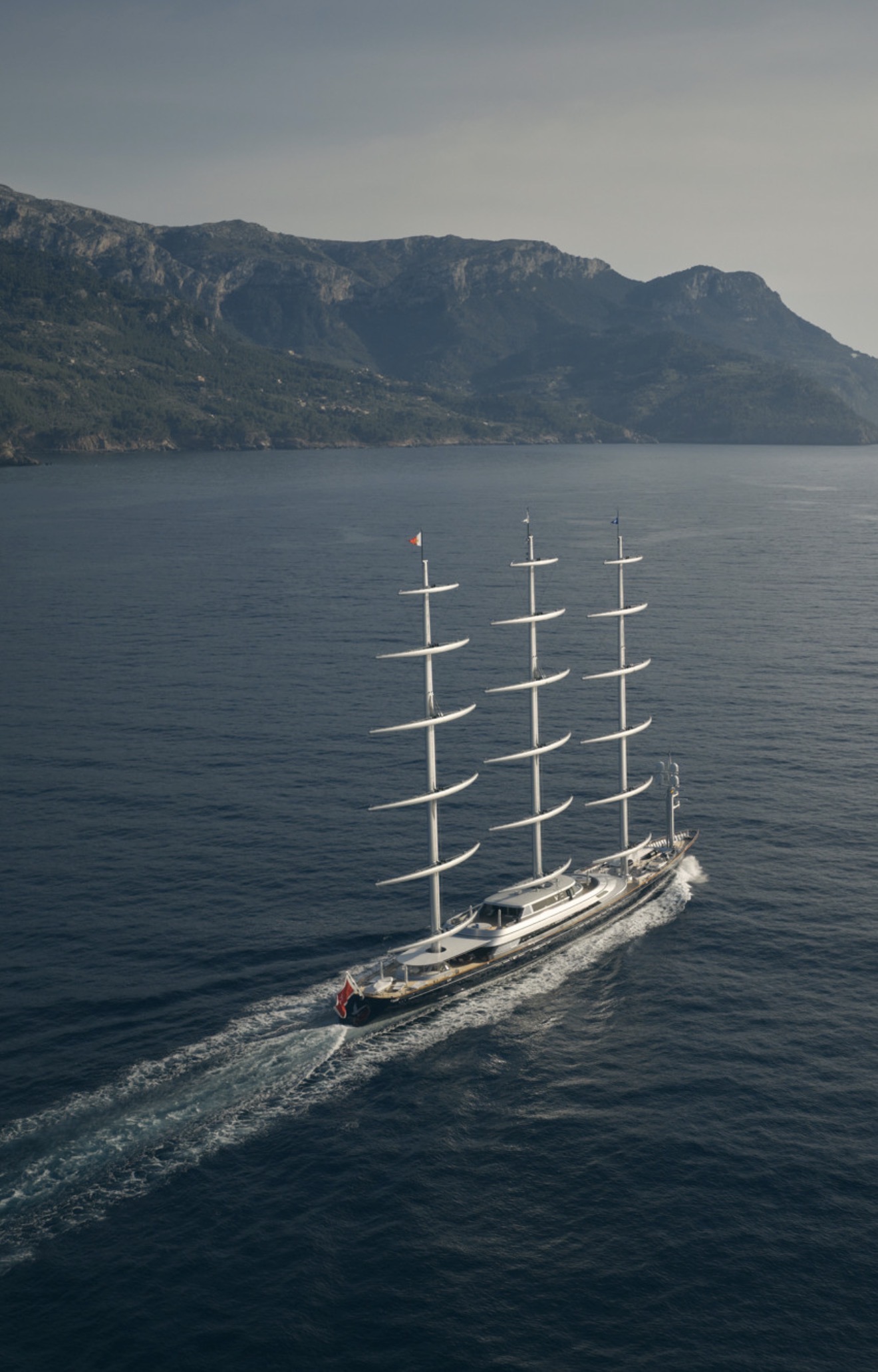
That is not a guest-to-staff ratio so much as a small private army. There is a three-deck atrium, flybridge, wellness area, outdoor cinema and an extraordinary sailing system capable of deploying its sails in around six minutes.
Here the hotel brand is almost secondary. Jumeirah brings its service philosophy, culinary expertise, concierge network and access to its properties into what is fundamentally a private yacht experience. It is the purest expression of the if you know, you know end of the market.
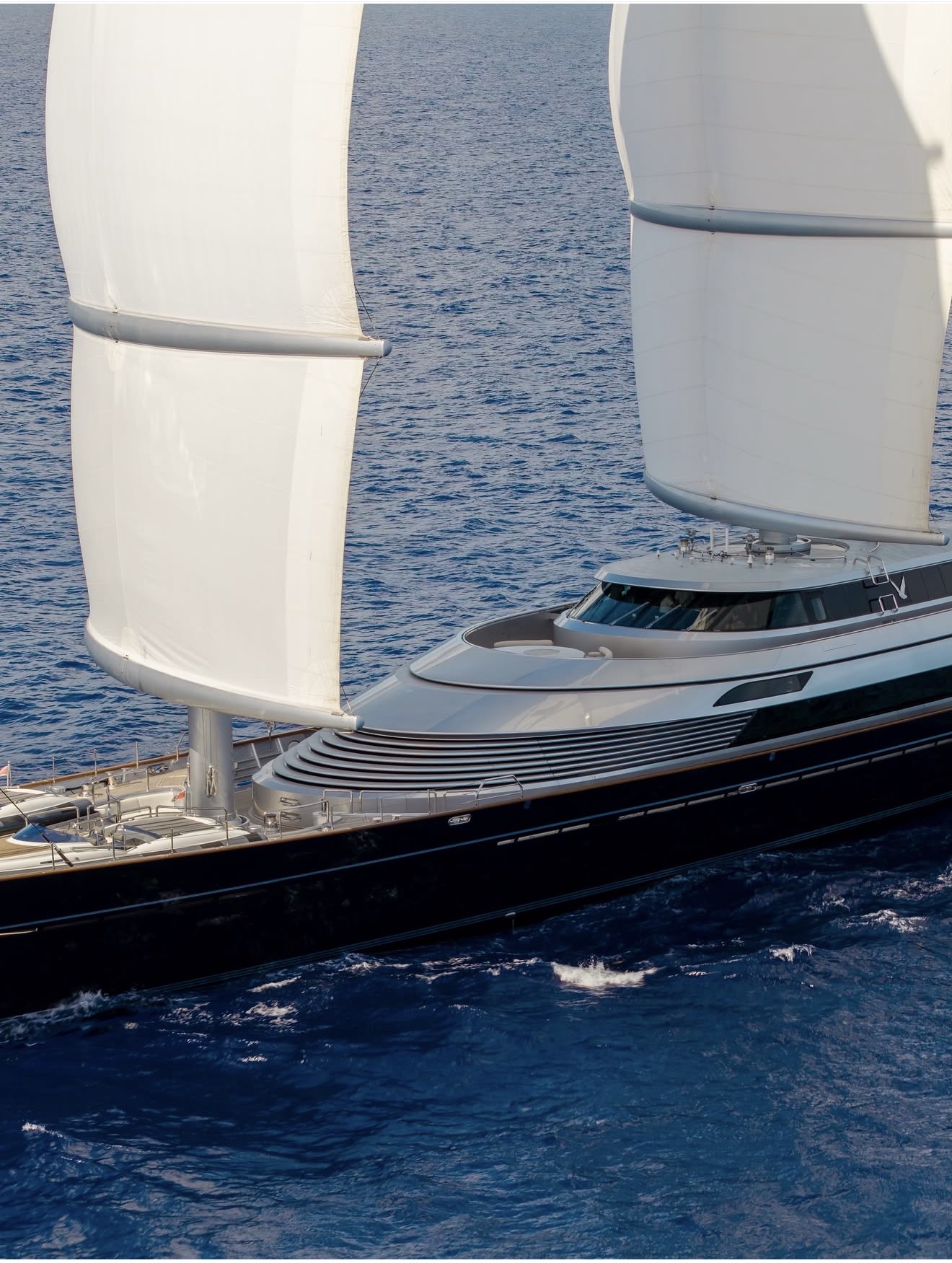
The published charter rate starts around €490,000 a week and rises from there.
At that price, one assumes the yacht comes with a very good reason not to check your bank balance.
Ritz-Carlton chooses the private club
Luminara, meanwhile, represents the most fully realised version of the floating private club.
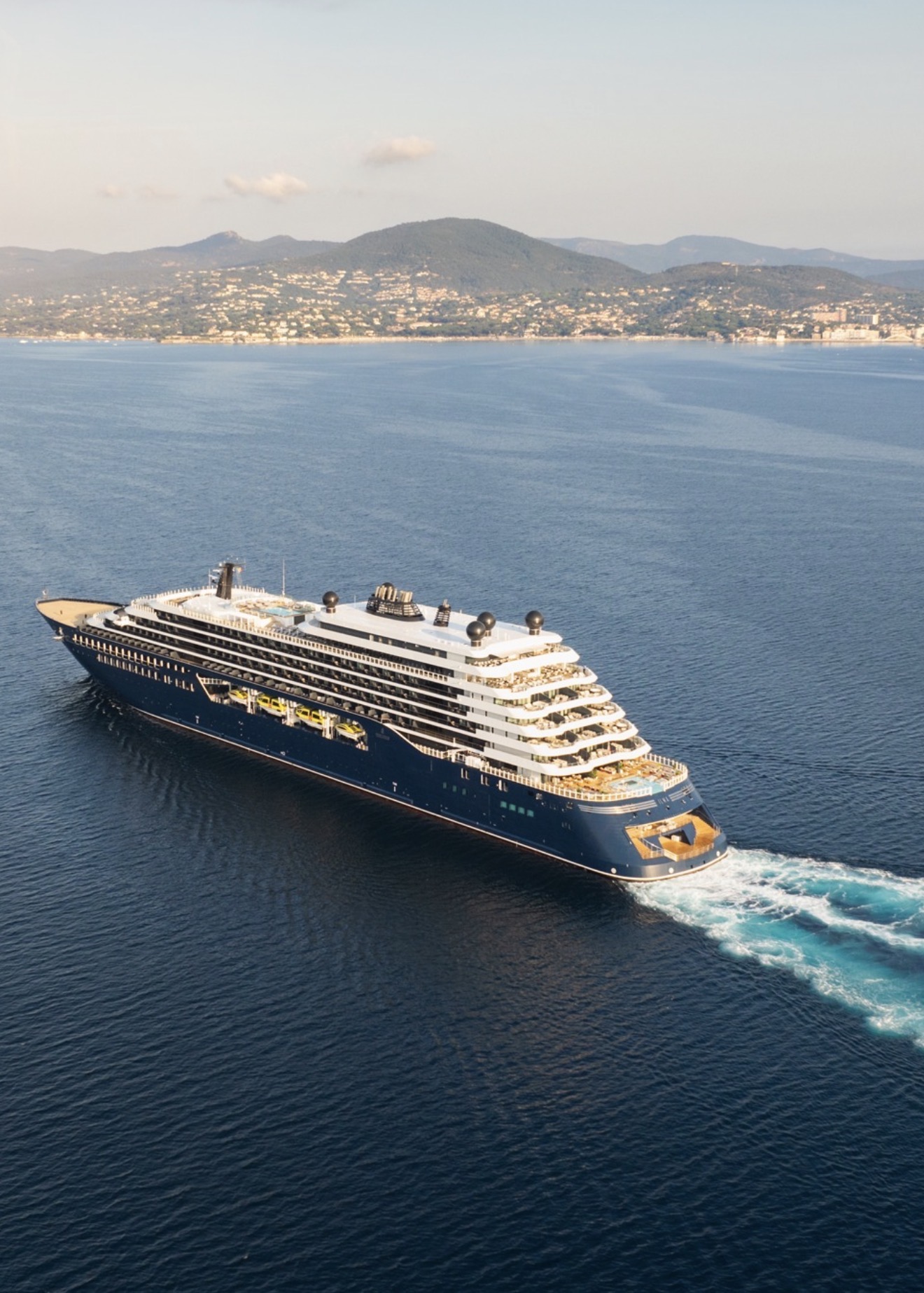
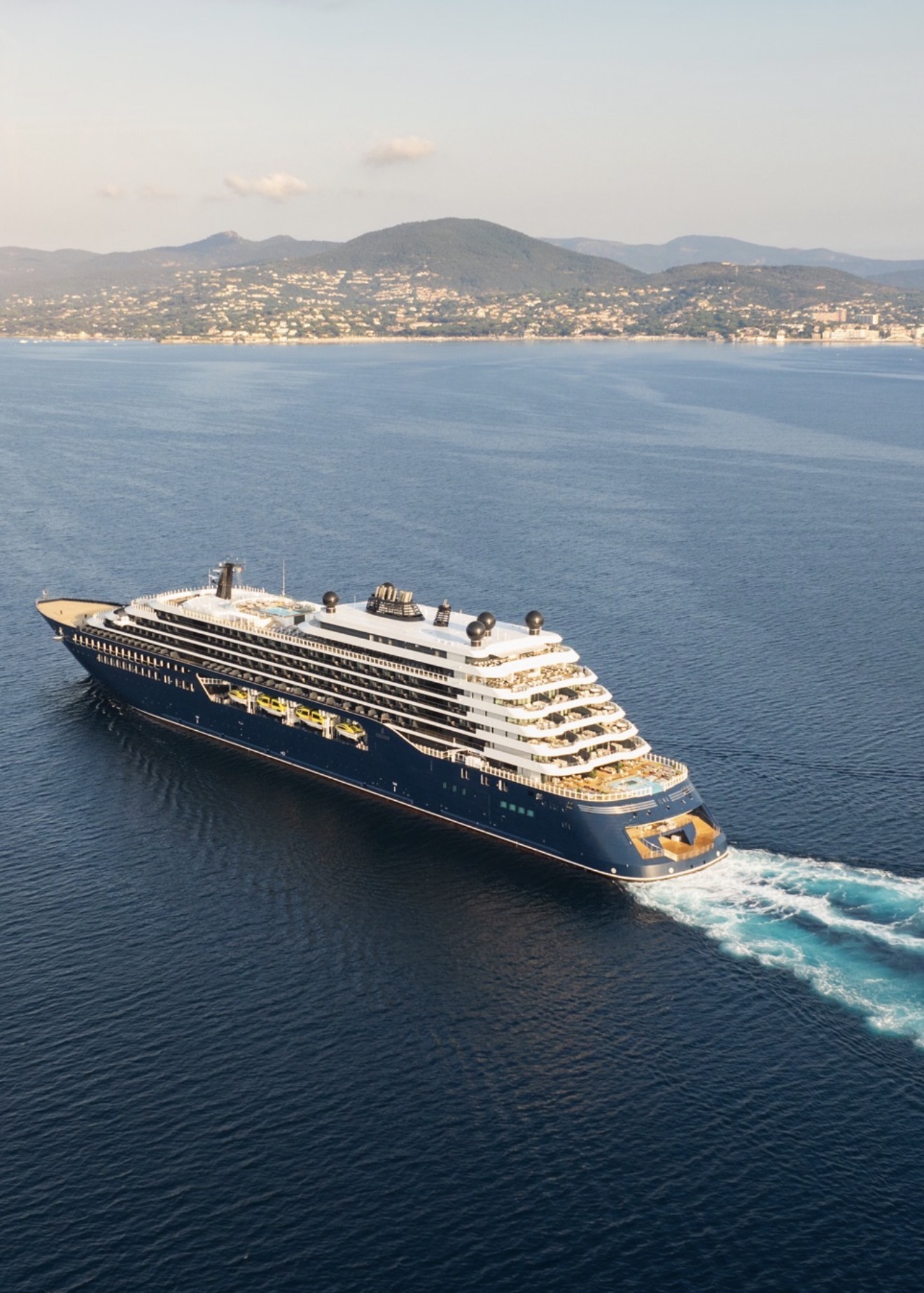
The third yacht from The Ritz-Carlton Yacht Collection carries 452 guests across 226 suites, all with private ocean-view terraces. There are multiple restaurants and bars, a Ritz-Carlton Spa, marina access and the sort of quietly immaculate public spaces in which nobody appears to be in a hurry.
The scale is larger than Aman or Four Seasons, but still tiny compared with conventional cruise ships. That is the crucial distinction.
With around 374 crew for 452 guests, the service ratio remains close to one-to-one. The experience is designed around Suite Ambassadors and concierge-style service rather than the slightly frantic efficiency that can accompany a traditional cruise.
Luminara also demonstrates where these yachts become particularly interesting: destinations.
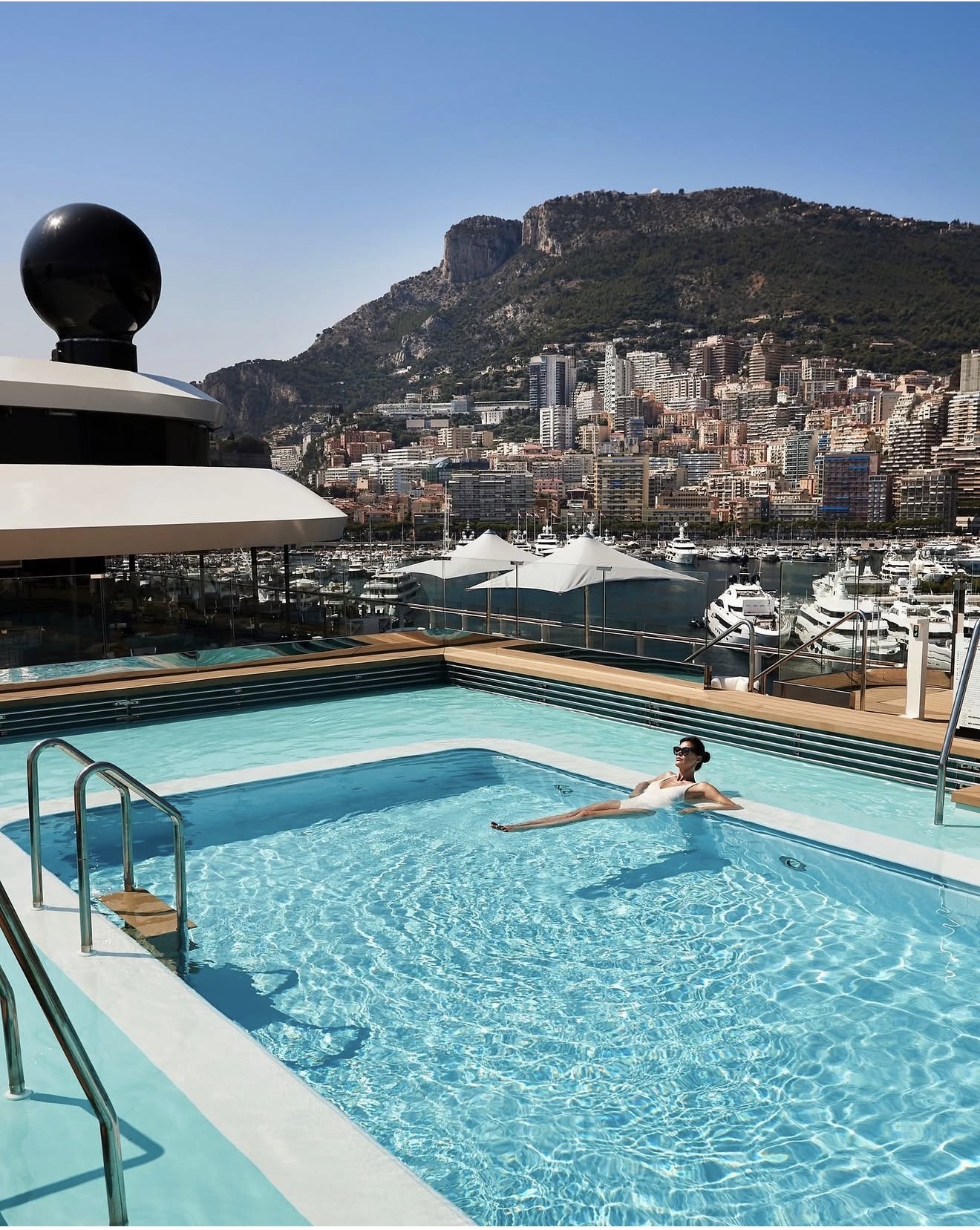
Its forthcoming itineraries extend into Alaska and Asia, including Japan and South Korea, alongside voyages between Vancouver and the Inside Passage. That changes the proposition. You are no longer merely booking a cruise. You are effectively booking a sequence of hotels that happens to have the courtesy of transporting you between them while you sleep.
And then there is Satori
Perhaps the most intriguing yacht in the group is the least conventional.
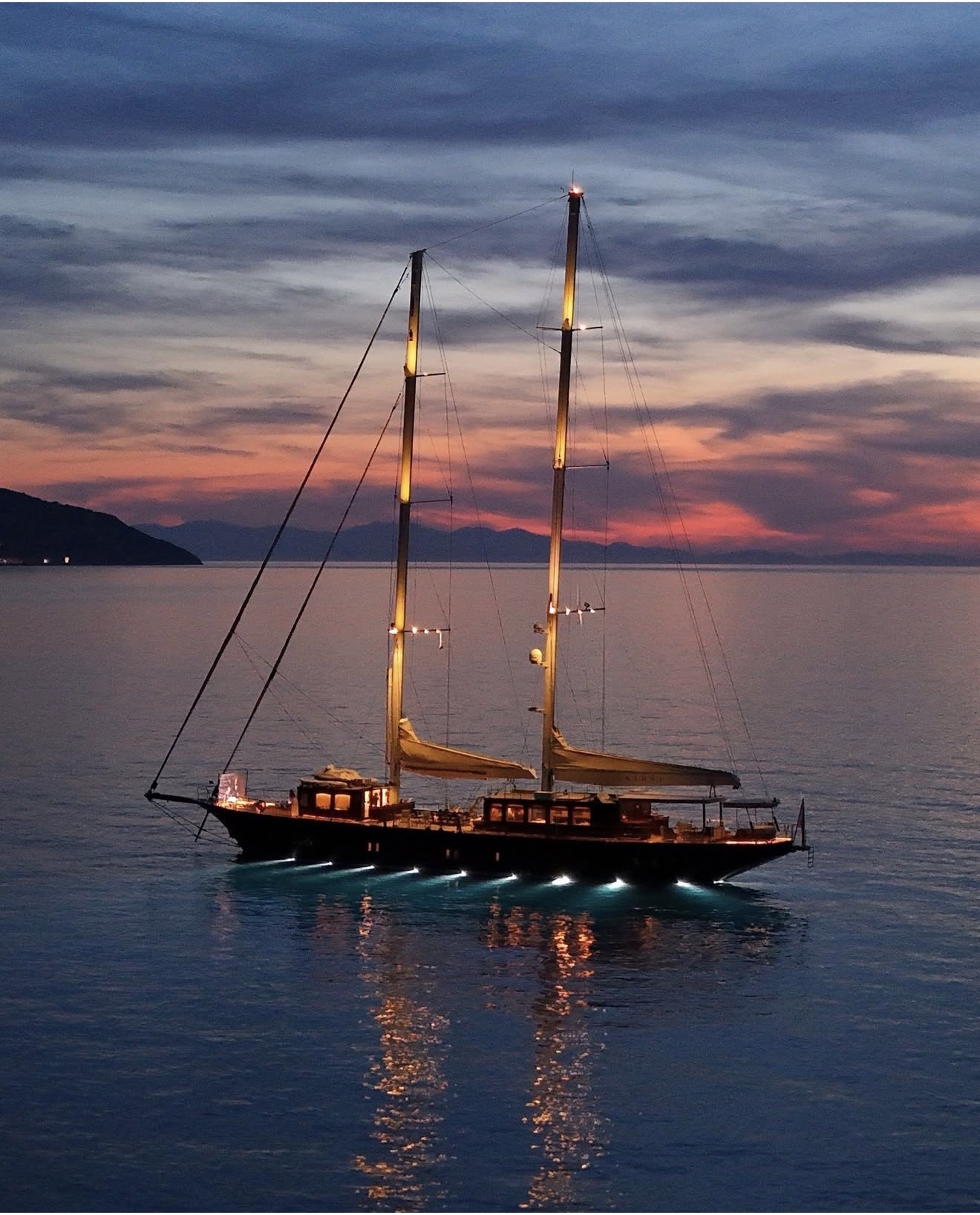
Satori, associated with Borgo Santo Pietro in Tuscany, is a 41.5-metre sailing yacht accommodating just ten guests across five cabins.
It is not a 200-metre floating resort. There are no 11 restaurants. There is no shopping arcade. There is no need for a daily schedule telling you where to be at 10.15.
Instead, there is handcrafted mahogany, walnut and teak, a 1920s-inspired interior, an open galley and a chef preparing food as guests watch. It is closer to being invited onto an extraordinarily beautiful private yacht by somebody who has impeccable taste and a rather good address in Tuscany.
The Mediterranean is the playground: Italy, Sicily, Sardinia, Corsica, the French Riviera, Greece and Croatia.
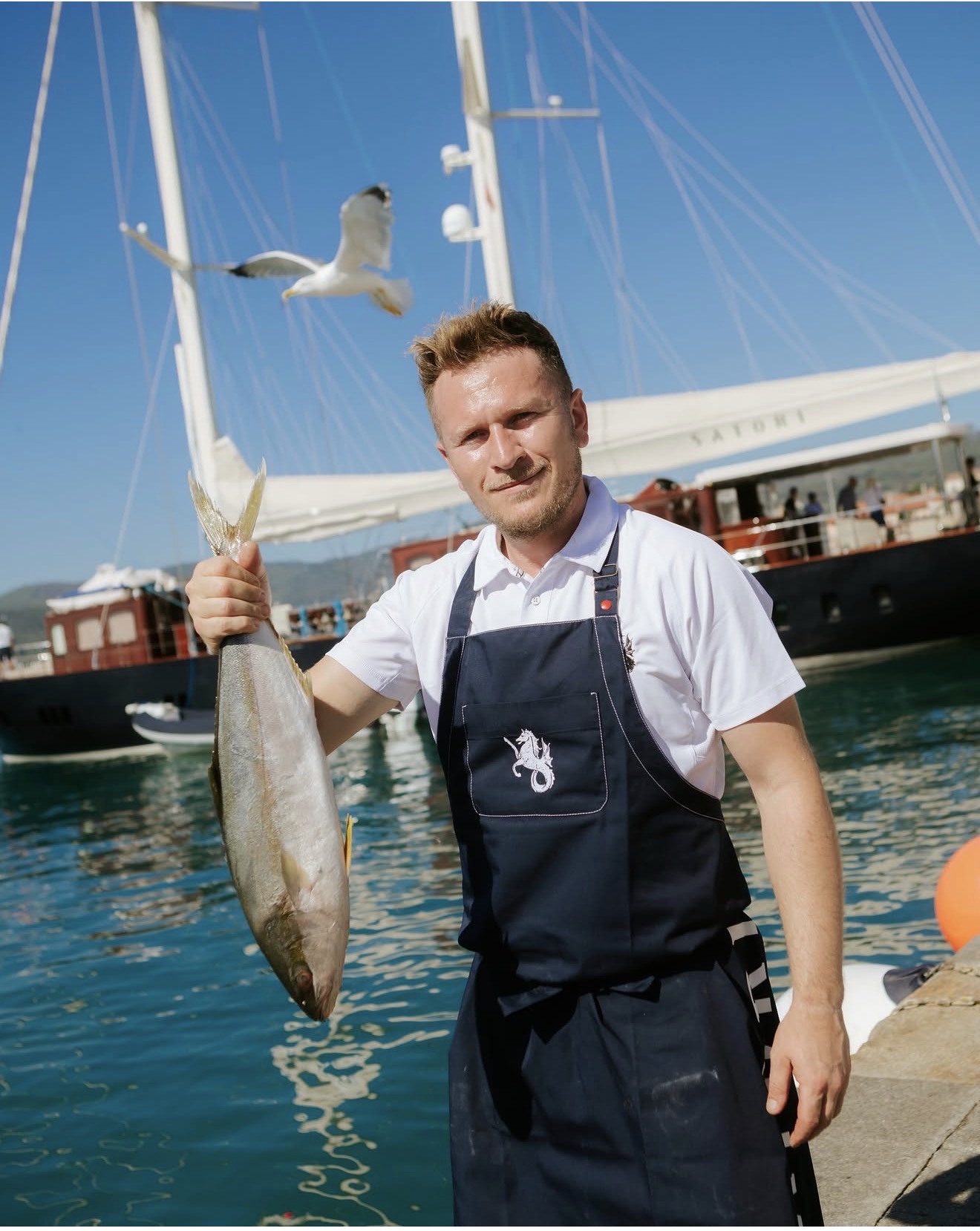
Charter rates are around €100,000–€110,000 a week before expenses and taxes.
And suddenly the economics of the larger hotel yachts begin to make sense.
A floating hotel can accommodate 190 people.
A private yacht can accommodate ten.
Both are selling the same thing. Privacy.
They are simply selling it at different scales.
The great luxury is space
What unites all of these vessels is not marble, Michelin stars or even money. It is space. Not necessarily physical space — although there is an astonishing amount of that — but psychological space.
The modern luxury traveller has become rather tired of being told what luxury looks like. The grand lobby. The enormous chandelier.
The 14-course tasting menu. The rooftop pool.n The queue for the rooftop pool.
The new generation of hotel yachts is making a quieter argument.
Perhaps luxury is simply not having to queue.
Not having to make a reservation three months in advance. Not having to walk twelve minutes from your suite to breakfast.
Not having to share the sunset with 3,000 other people.
The numbers are revealing.
Amangati: 94 guests.
Four Seasons I: 190.
Orient Express Corinthian: 110.
The Maltese Falcon: 12.
Satori: 10.
Luminara: 452.
Even the largest of these is intimate by conventional cruise-ship standards. And that intimacy is where the hotel brands have their advantage.
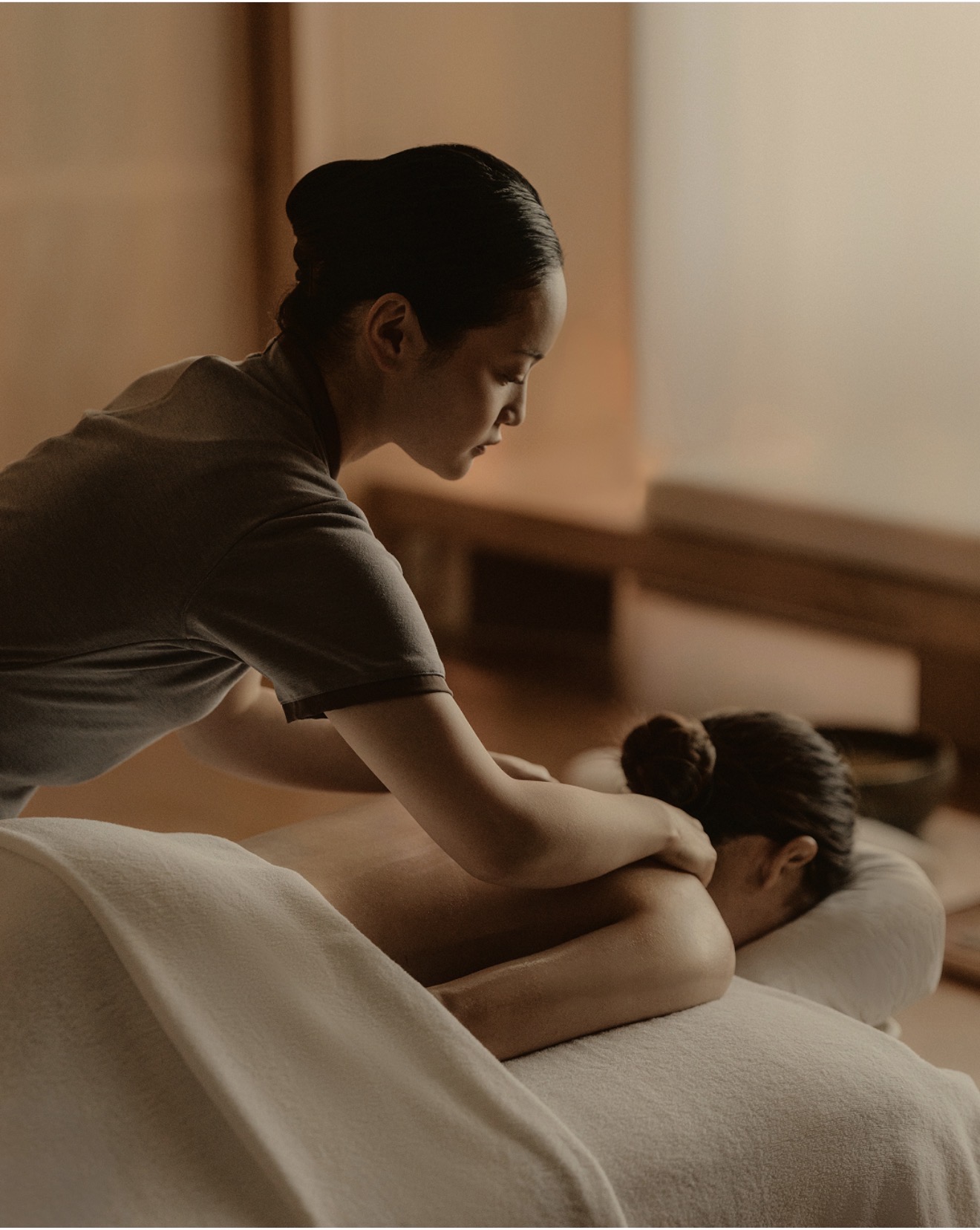
They already know how to make people feel looked after.
They already understand lighting, mattresses, flowers, wine lists, spa treatments and the particular importance of knowing whether a guest takes sparkling or still water without asking twice.
What they are learning now is how to make all of that move.
The Michelin question
Food is, unsurprisingly, another battleground.
The old cruise model made dining a logistical exercise: feed several thousand people, preferably at roughly the same time, without anyone becoming too distressed.
The new hotel yachts are treating it as part of the destination.
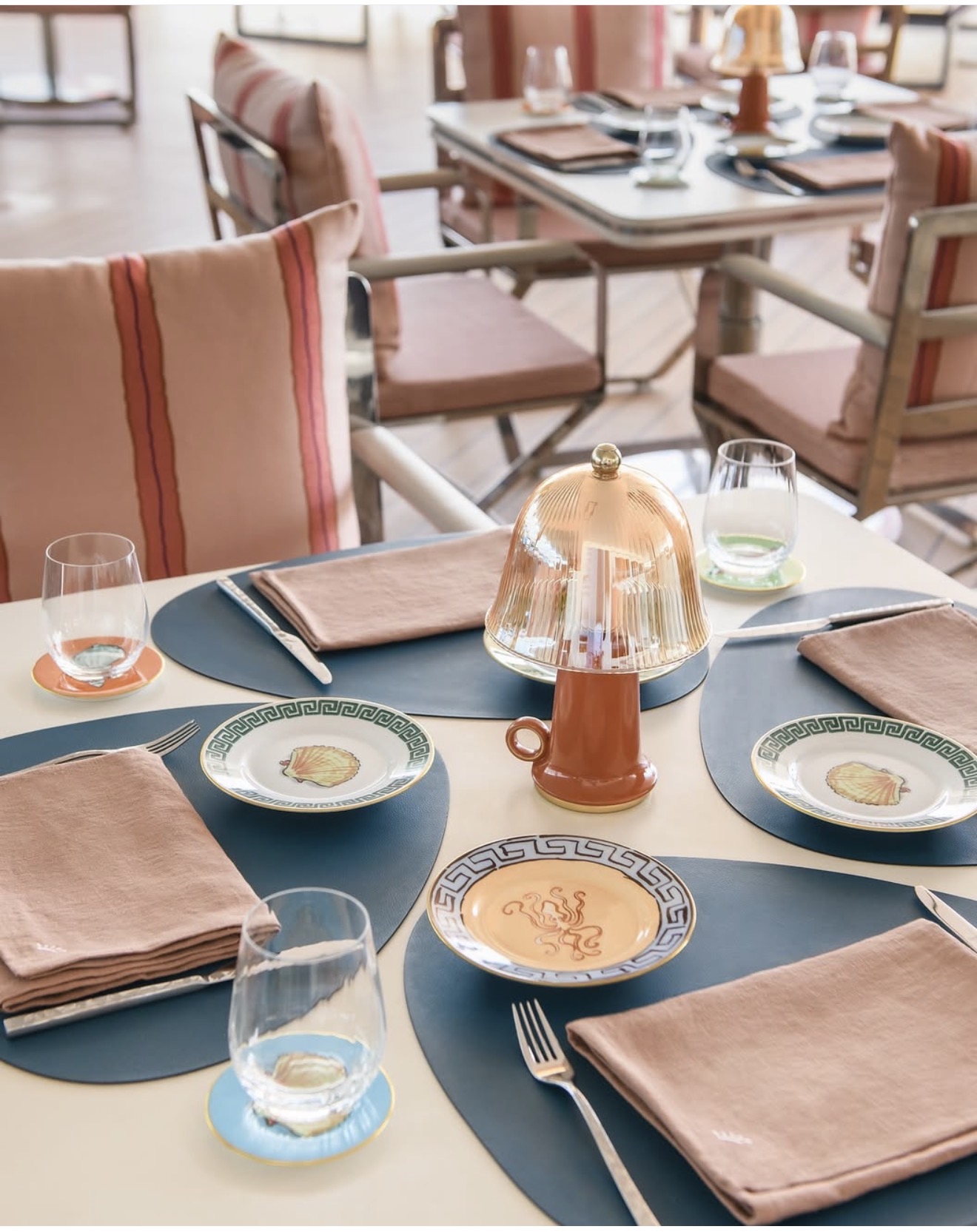
Four Seasons has its chef-in-residence programme.
Orient Express has Yannick Alléno.
Ritz-Carlton brings Michelin-starred talent and its global restaurant expertise into the yacht environment.
Aman is taking a more restrained, wellness-conscious approach.
Satori takes the opposite route entirely: intimate, personal cooking in an open galley.
The distinction is important. The goal is not necessarily to recreate a Michelin-starred restaurant at sea.
The goal is to make dinner feel like it belongs to the journey. That may mean omakase one evening, Mediterranean seafood the next, and an exceptionally good breakfast served privately on deck the morning after.
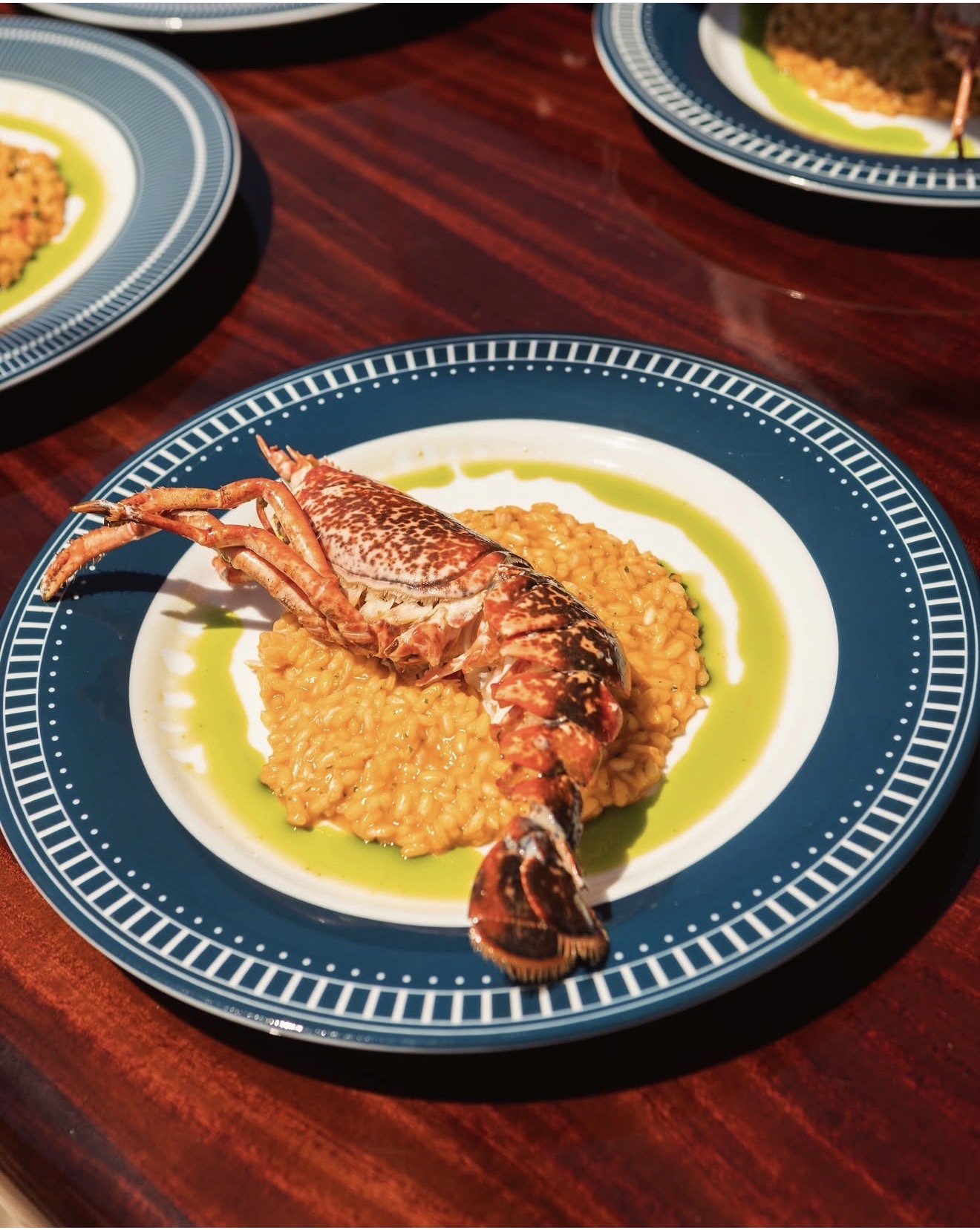
The great luxury is not having more choice.
It is having the right choice appear without making a fuss about it.
Where are they actually going?
This is where the floating hotel concept becomes genuinely clever. The Mediterranean remains the natural laboratory: Monaco, Portofino, Capri, Sicily, Sardinia, Croatia, Greece, the French Riviera.
These are destinations already designed for beautiful boats. But the programmes are expanding.
Ritz-Carlton is taking Luminara towards Alaska and Asia.
Aman is extending beyond the Mediterranean into the Caribbean and Atlantic.
Orient Express is building out from the Mediterranean towards the Caribbean, while its second yacht broadens the map towards northern Europe and the eastern Mediterranean.
Four Seasons is similarly positioning its yachts around the Mediterranean, Caribbean and Bahamas.
The appeal is obvious. You unpack once. The view changes every morning. And somebody else is responsible for the navigation. This is perhaps the most elegant solution yet devised for the modern traveller who wants to see six places but would prefer not to pack six times.
The new luxury cruise is not really a cruise
That may be the ultimate point. The traditional cruise ship was built around the idea of scale. The new hotel yacht is built around exclusivity. One asks how many things can be put on board. The other asks how few people can enjoy them.
And somewhere between the Aman suite with its private whirlpool, the Four Seasons residence with four floors, the Orient Express sailing under enormous canvas, the Maltese Falcon cutting through the Mediterranean, the Ritz-Carlton quietly disappearing towards Alaska and Satori’s chef preparing lunch for ten, a new definition of luxury is emerging.
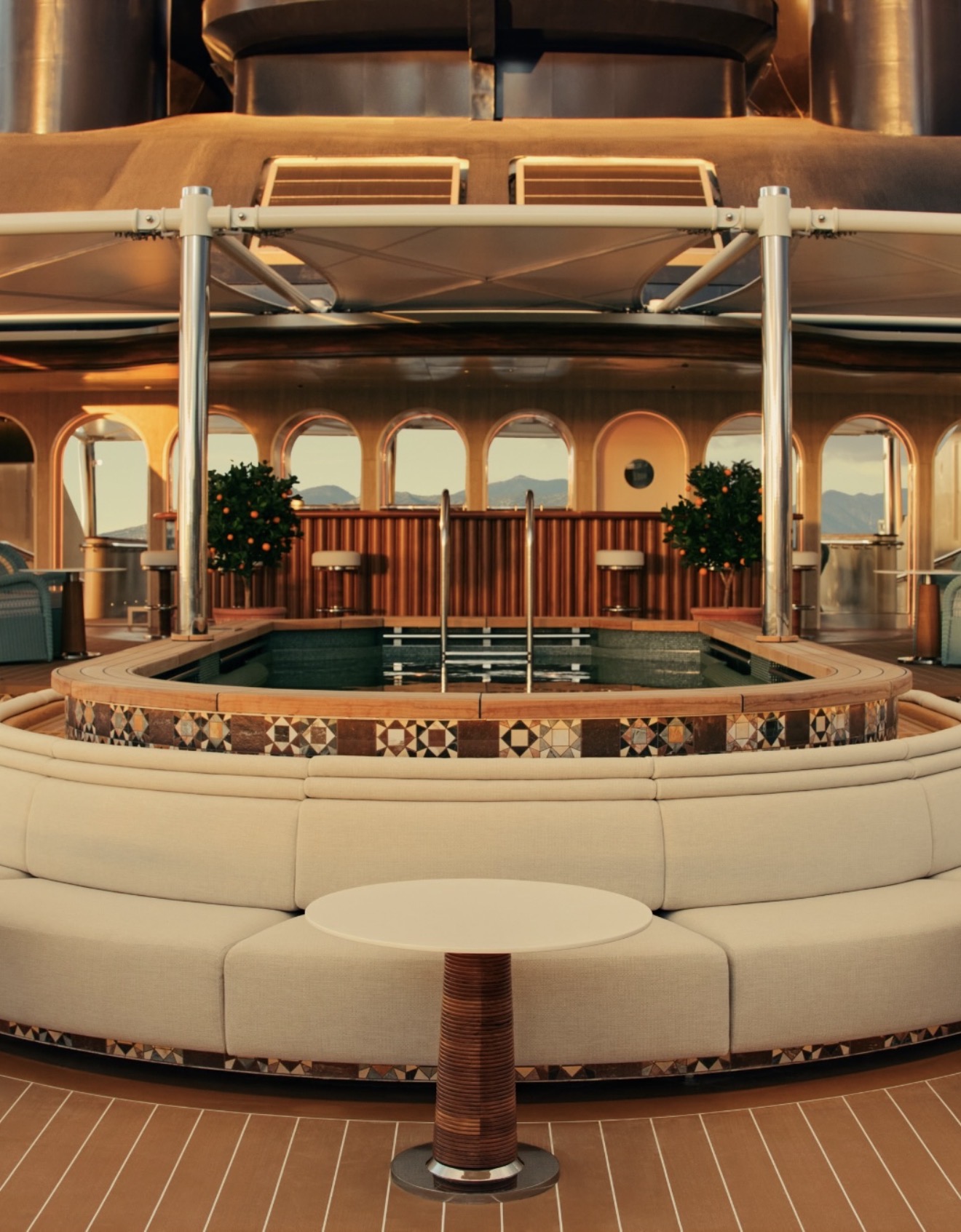
It is not necessarily about having the biggest suite. Or the best restaurant. Or even the most famous name on the stern. It is about making the journey itself feel like the hotel.
The sea becomes the lobby. The horizon becomes the artwork. The destination becomes tomorrow’s view. And the greatest indulgence of all is that nobody has asked you to attend the captain’s cocktail party. At least not yet.
By: Chris Flanagan