
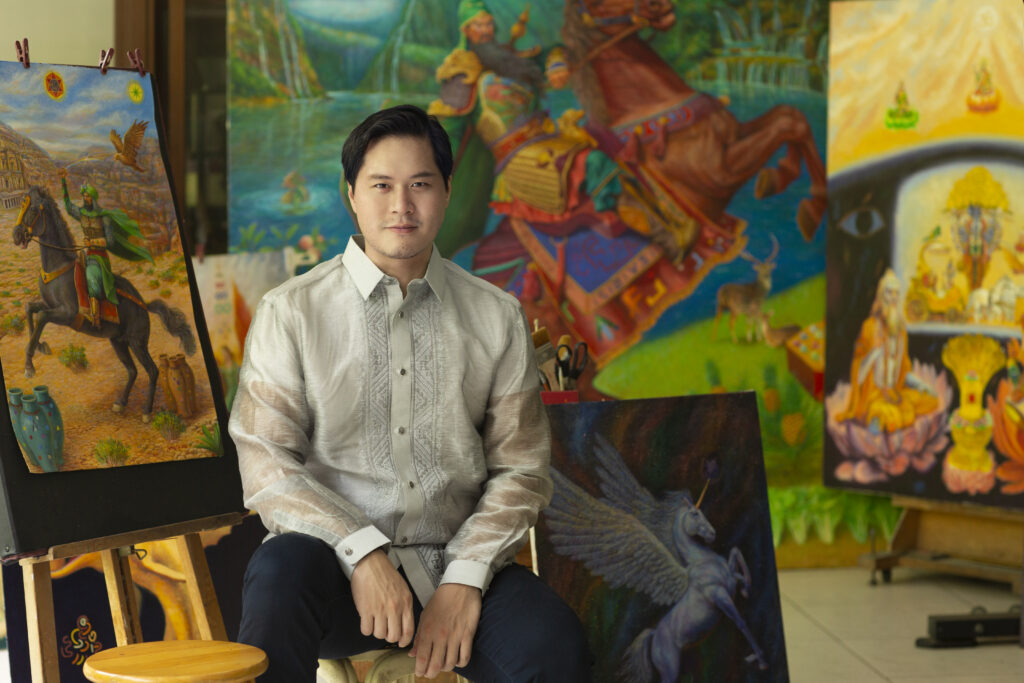
Exploring life, mythology, history, and the strange, beautiful business of being human through the oil paintings of Gordon Lee.
There are portraits that resemble people, and then there are portraits that seem to know them. Gordon Lee belongs firmly to the second category.
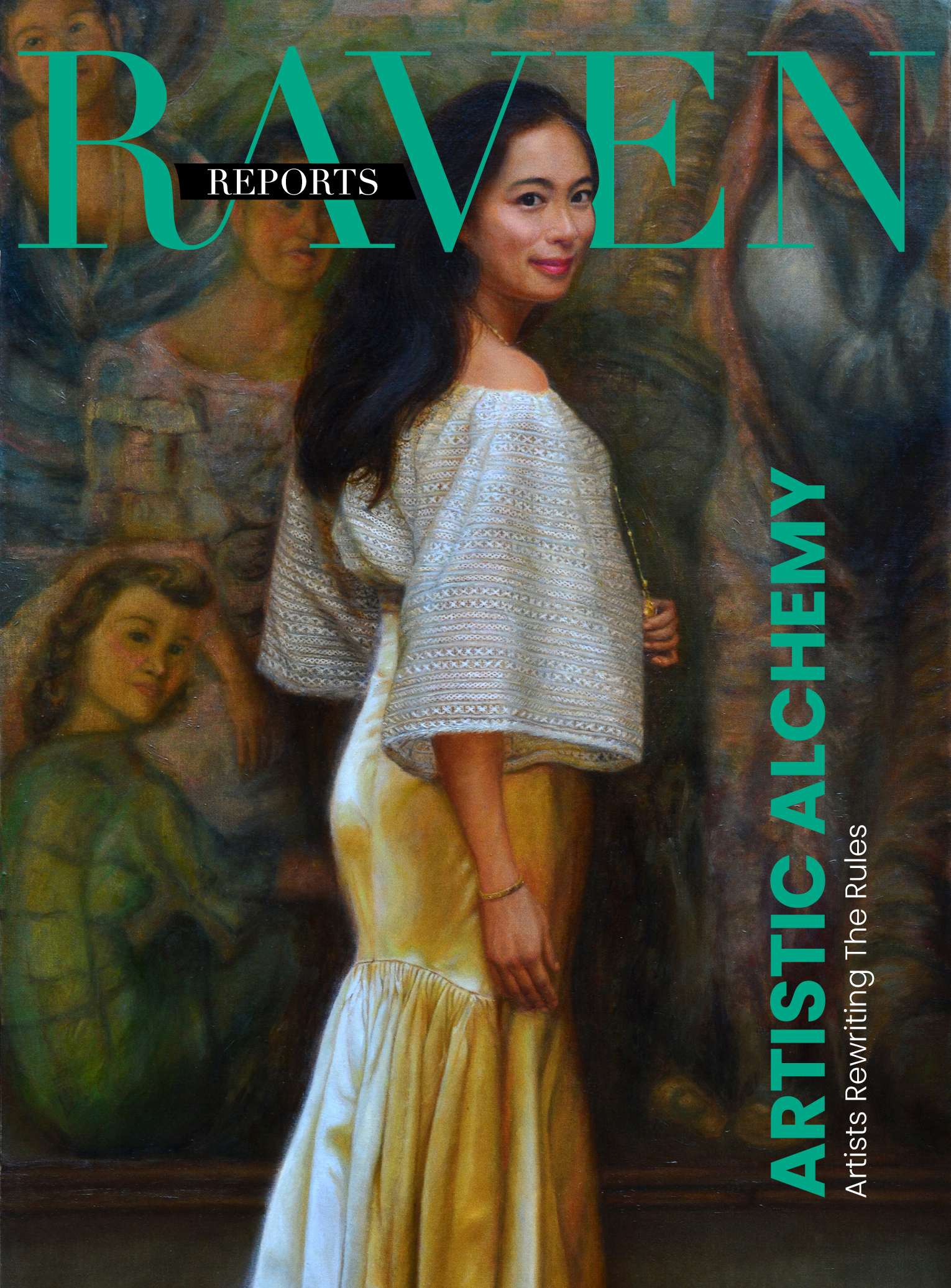
A master oil painter with an extraordinary command of portraiture, Lee has developed a practice in which technical precision is only the beginning. His figures are strikingly lifelike, but realism, for him, is not the destination. It is the doorway.
Look closely at a Gordon Lee painting and the familiar begins to become slightly strange. A face appears almost photographic, yet the atmosphere surrounding it suggests another world. Mythological references drift into contemporary narratives. Characters seem caught somewhere between waking life and dream. The beautiful and the uncanny sit comfortably beside one another.
It is an unusual combination—and one that makes Lee’s work difficult to simply glance at. His paintings ask you to stay.
The art of seeing a person
Portraiture has always carried a peculiar responsibility. To paint a face convincingly is one thing. To suggest something of the person behind it is another.
Lee’s portraits are rooted in an extraordinary understanding of anatomy, light and expression, but their real strength lies in what happens beyond technical accuracy. His subjects appear to possess an interior life. They look as though they are thinking, remembering or waiting for something just beyond the edge of the frame.
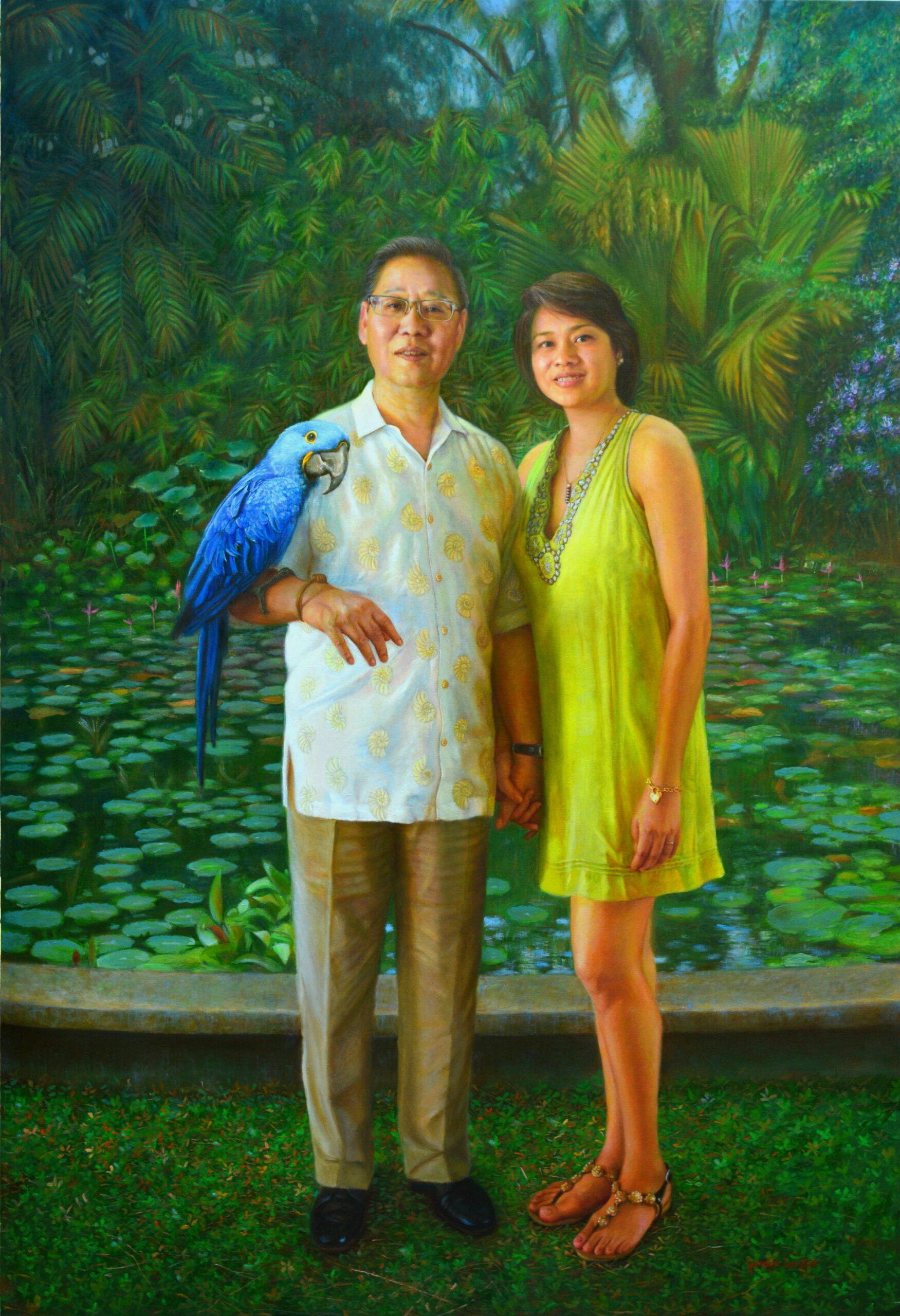
The effect can be almost disconcerting.
A particularly successful portrait creates the illusion that the sitter might speak if you waited long enough. Lee understands this tension between stillness and life. His brushwork gives the paintings an almost tangible presence, while subtle shifts in expression and atmosphere prevent them from becoming mere exercises in photorealism.
The face is the beginning of the story. Not the end.
Beyond realism
For Lee, painting is inseparable from his own evolving understanding of life. His artistic journey has taken him increasingly towards questions of consciousness, spirituality and the metaphysical dimensions of existence. These ideas don’t necessarily announce themselves. They live beneath the surface of the paintings, embedded in the symbolism, atmosphere and relationships between figures.
His canvases can feel contemplative without being solemn.
There is a sense of curiosity at work: an artist trying to understand what sits beneath the obvious. Perhaps that explains why his paintings can move so easily between the intimate and the fantastical. The human face becomes a portal. A portrait can become a meditation. Mythological and historical characters can feel strangely contemporary.
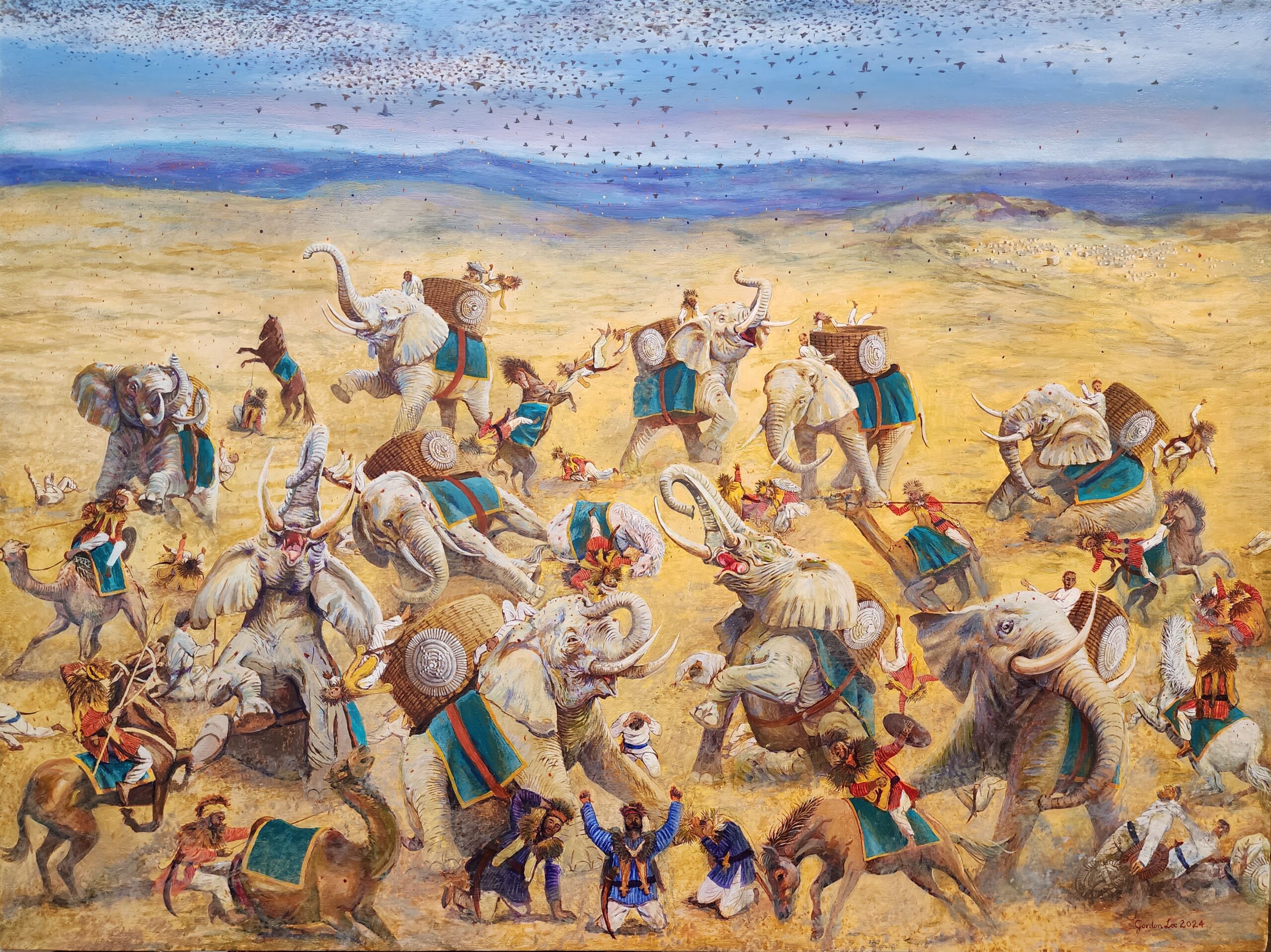
Reality, Gordon seems to suggest, is considerably more elastic than we tend to admit.
Where mythology comes alive
If portraiture gives Lee a connection to the human world, mythology provides an escape hatch. His paintings draw on the vast visual and narrative vocabulary of myths and folklore, bringing gods, heroes, villains and fantastical beings into compositions that feel both ancient and freshly imagined.
This is not mythology as museum display. Gordon isn’t simply illustrating old stories. He is interested in what those stories still have to say.
Myths have survived precisely because the questions they contain never quite disappear: power, love, jealousy, mortality, ambition, sacrifice, transformation. The costumes may change, but human nature remains stubbornly familiar.
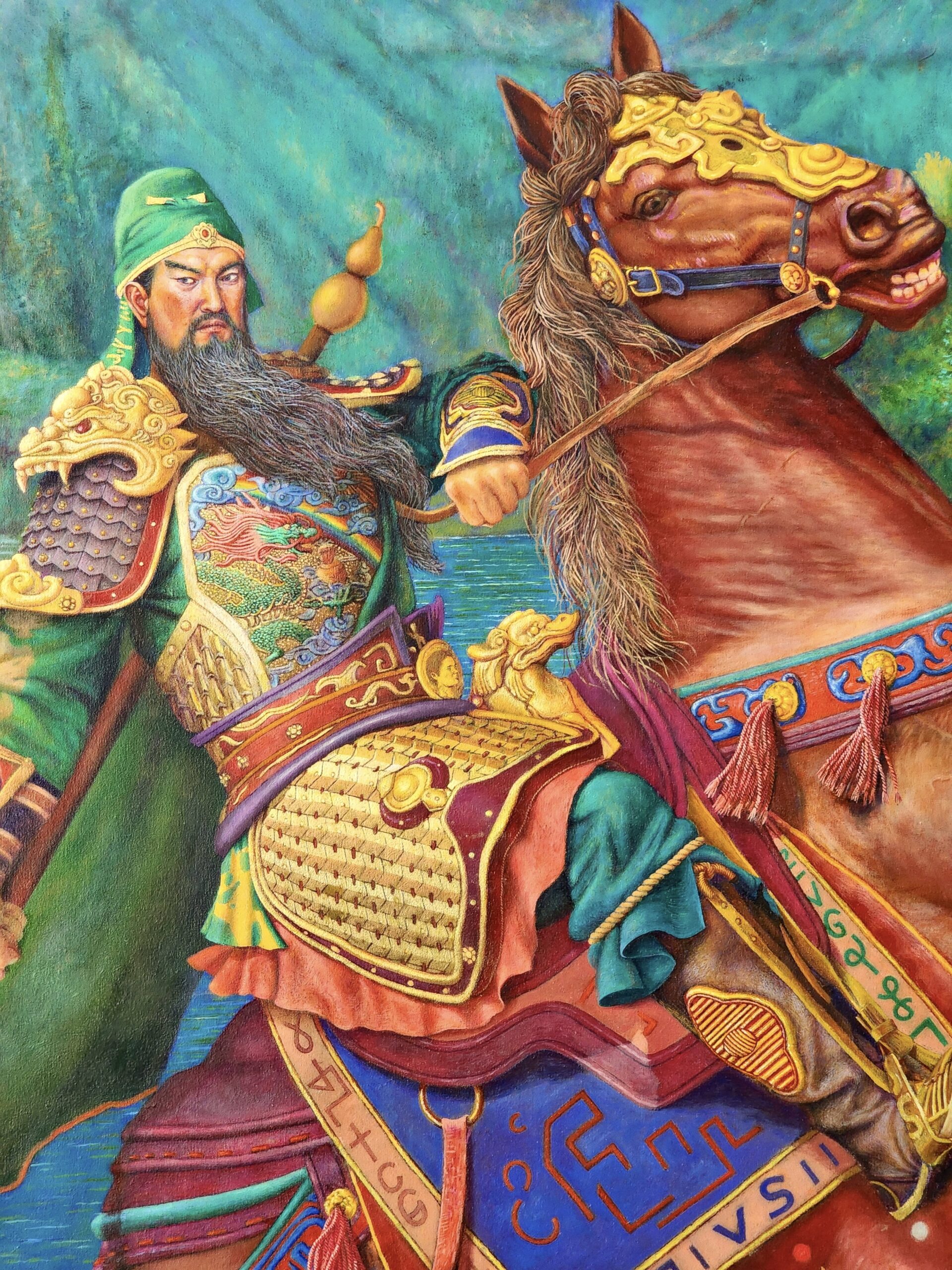
Gordon’s whimsical approach allows these stories to be revisited without becoming overly reverential. There is drama, certainly, but also playfulness. His imagination gives familiar archetypes new personalities and new contexts.
The result is a kind of visual conversation between past and present. Ancient stories, contemporary eyes.
The soul of the painting
At the heart of Lee’s philosophy is a simple but profound idea: the energy of art comes from the soul.
It is a belief that gives his paintings their particular intensity. Oil painting is, by nature, a slow medium. Layers are built gradually. Colours are mixed, adjusted and reconsidered. A painting can change dramatically between the first mark and the final one.
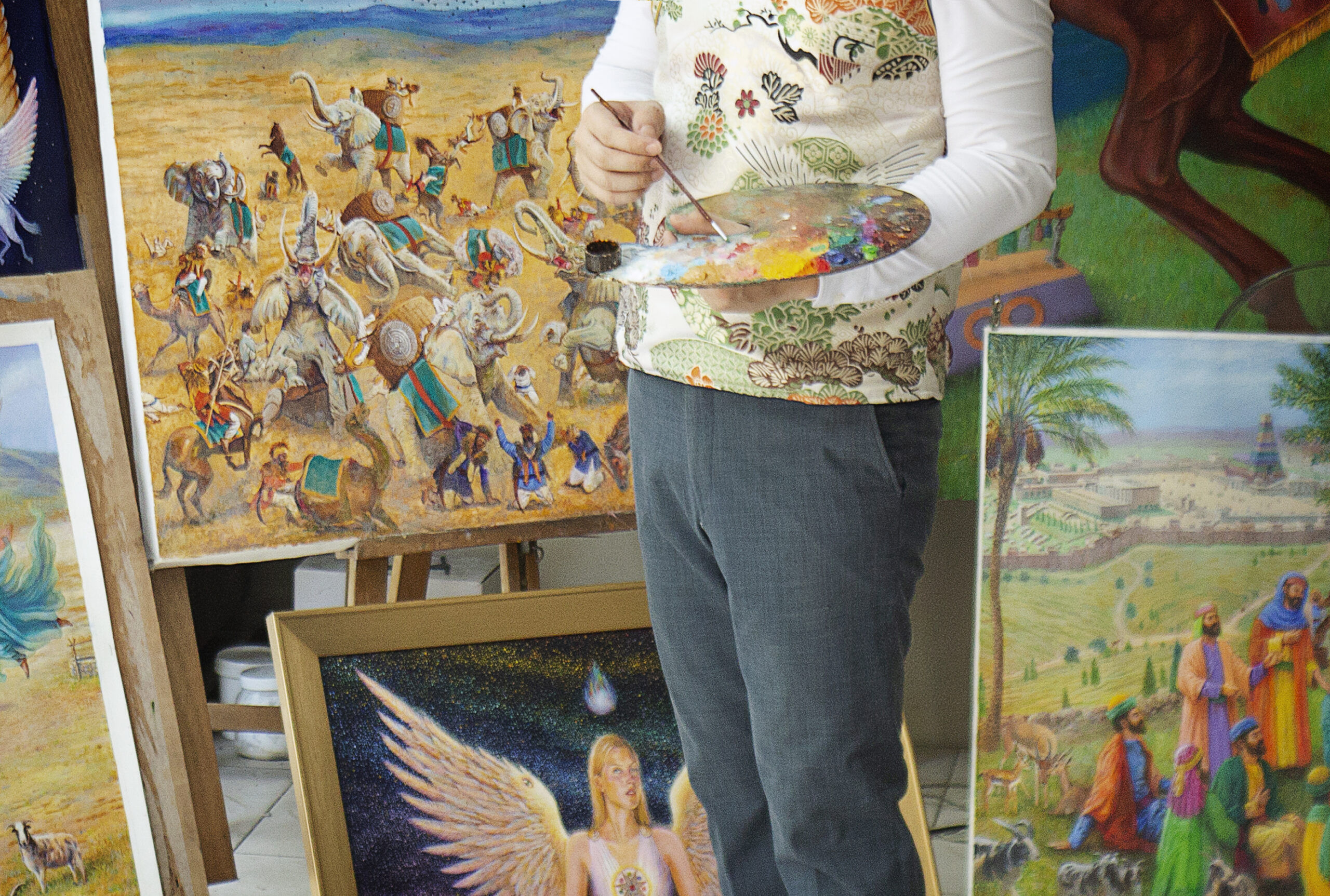
In an era of instant images, there is something almost rebellious about this pace. Gordon embraces it.
The slowness is not a limitation; it is part of the language. Time accumulates on the canvas. The physical act of painting becomes a conversation between artist, subject and material.
And perhaps this is why his work rewards prolonged attention.
The longer you look, the more there is to see.
Slow art in a fast world
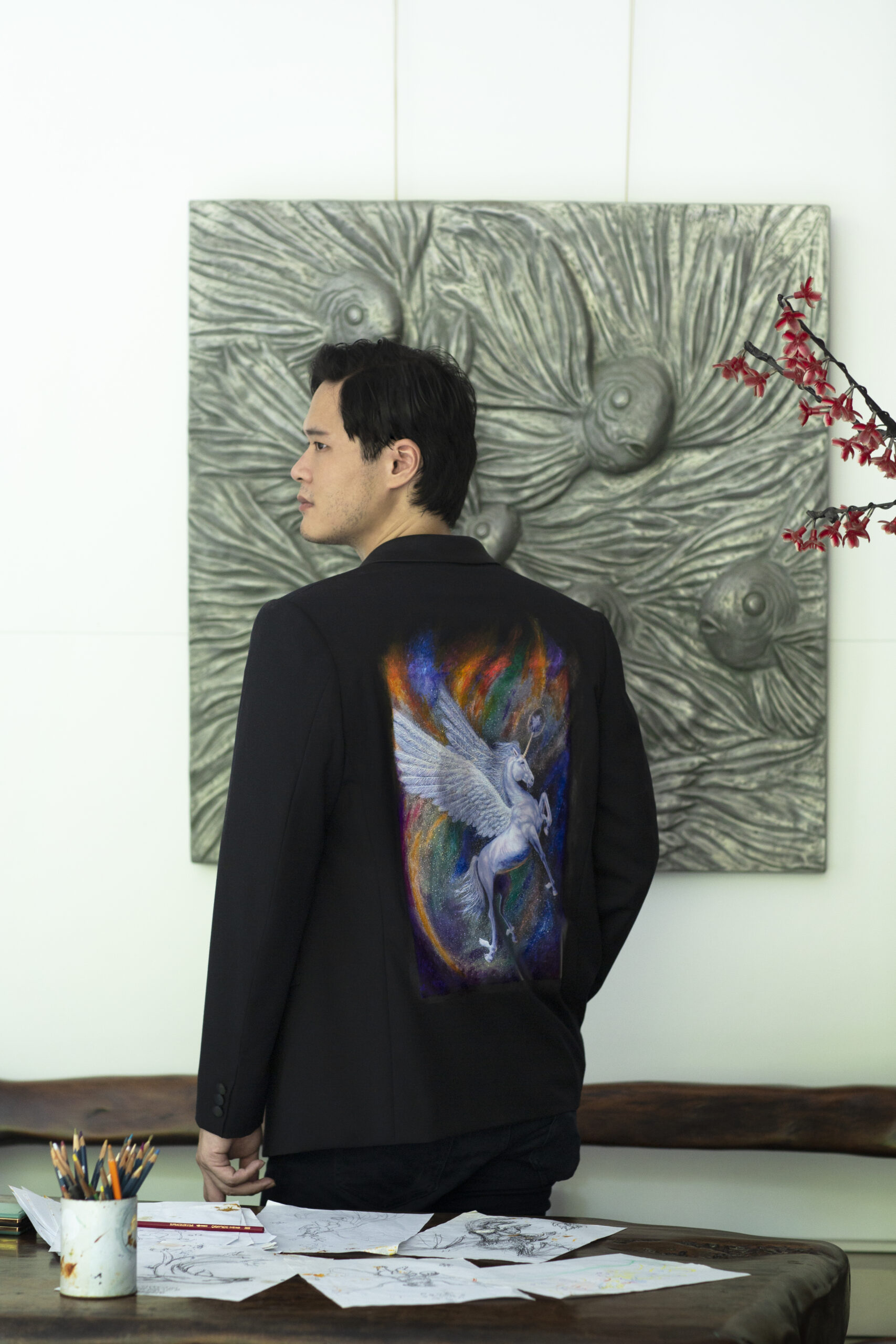
We have become remarkably good at looking without seeing. Images arrive constantly, demand attention for a few seconds and disappear beneath the next one. Art, too, can become consumed in the same way: swipe, like, scroll, move on.
His paintings resist that rhythm. They demand a different kind of attention.
His work encourages viewers to slow down, to notice the details in a face, the subtle shifts in light, the symbolism hidden within a composition. In that sense, his paintings are almost quietly countercultural. They refuse to hurry. There is something particularly valuable about that invitation for younger generations of artists. Lee’s example suggests that artistic development cannot always be rushed.
Technique takes time. Observation takes time. Finding a voice takes considerably longer.
The painting does not need to compete with the speed of the internet.
It only needs to survive it.
A conversation with the viewer
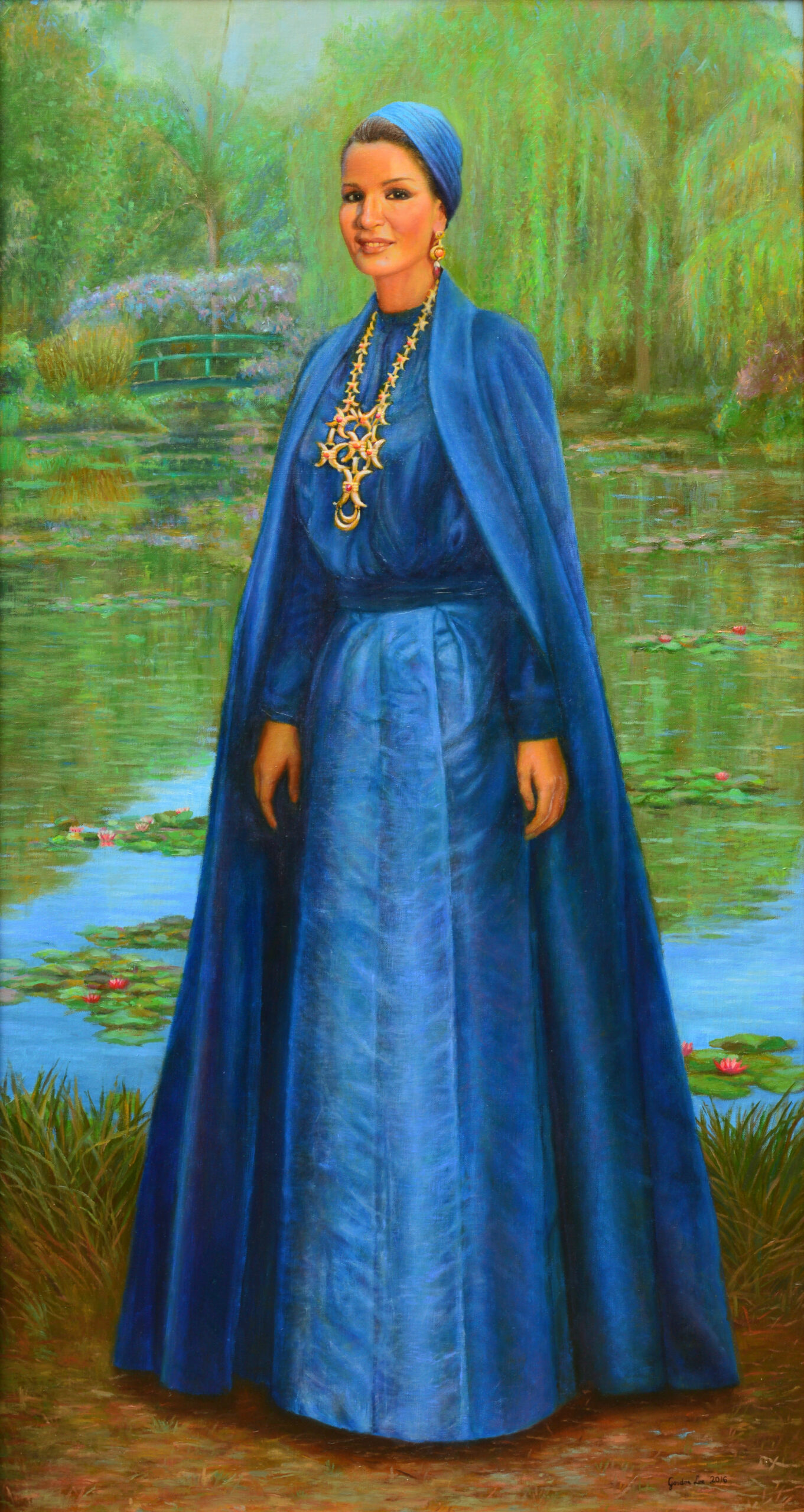
Perhaps the most compelling quality of Lee’s work is that it doesn’t insist on a single interpretation.
A portrait may begin as a portrait and become something else entirely. A mythological scene might suggest a contemporary psychological drama. A beautiful image can contain a darker question.
The viewer completes the circuit. Lee puts the energy into the canvas; the viewer brings their own experience to it.
That exchange is what turns an object into an encounter. It is why his work feels alive.
Between worlds
Gordon Lee’s paintings exist somewhere between worlds: between realism and fantasy, portraiture and narrative, the physical and the metaphysical. His technical mastery gives him the freedom to move between them.
He can make a face extraordinarily convincing and then surround it with something that could never exist outside the imagination. He can invoke mythology without allowing it to become nostalgia. He can explore spiritual ideas without abandoning beauty, humour or human warmth.
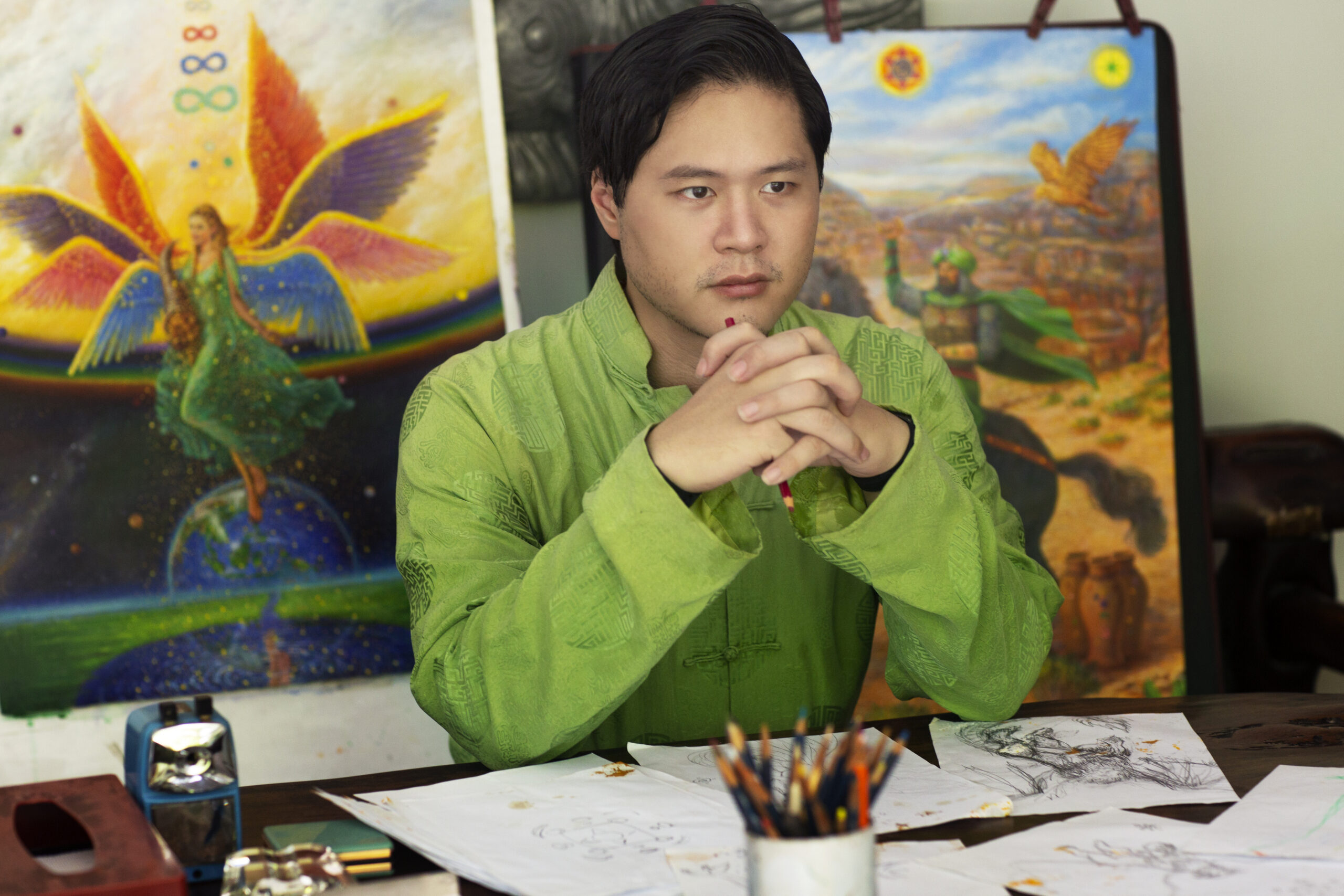
It is a balancing act, but Lee makes it look instinctive.
Perhaps because, ultimately, he isn’t painting two separate worlds.
He is painting the same world as the rest of us—only looking beneath the surface.
The magic of looking longer
There is a quiet confidence in Lee’s approach.
He doesn’t appear particularly interested in chasing the speed of contemporary culture or making paintings that reveal everything immediately. Instead, he trusts the medium, the story and the viewer.
That trust is increasingly rare. His work reminds us that art can still be mysterious. That a painting can hold a secret. That a face can tell a story without saying a word. And that mythology, despite being thousands of years old in some cases, remains remarkably good at explaining the things we still don’t understand about ourselves.
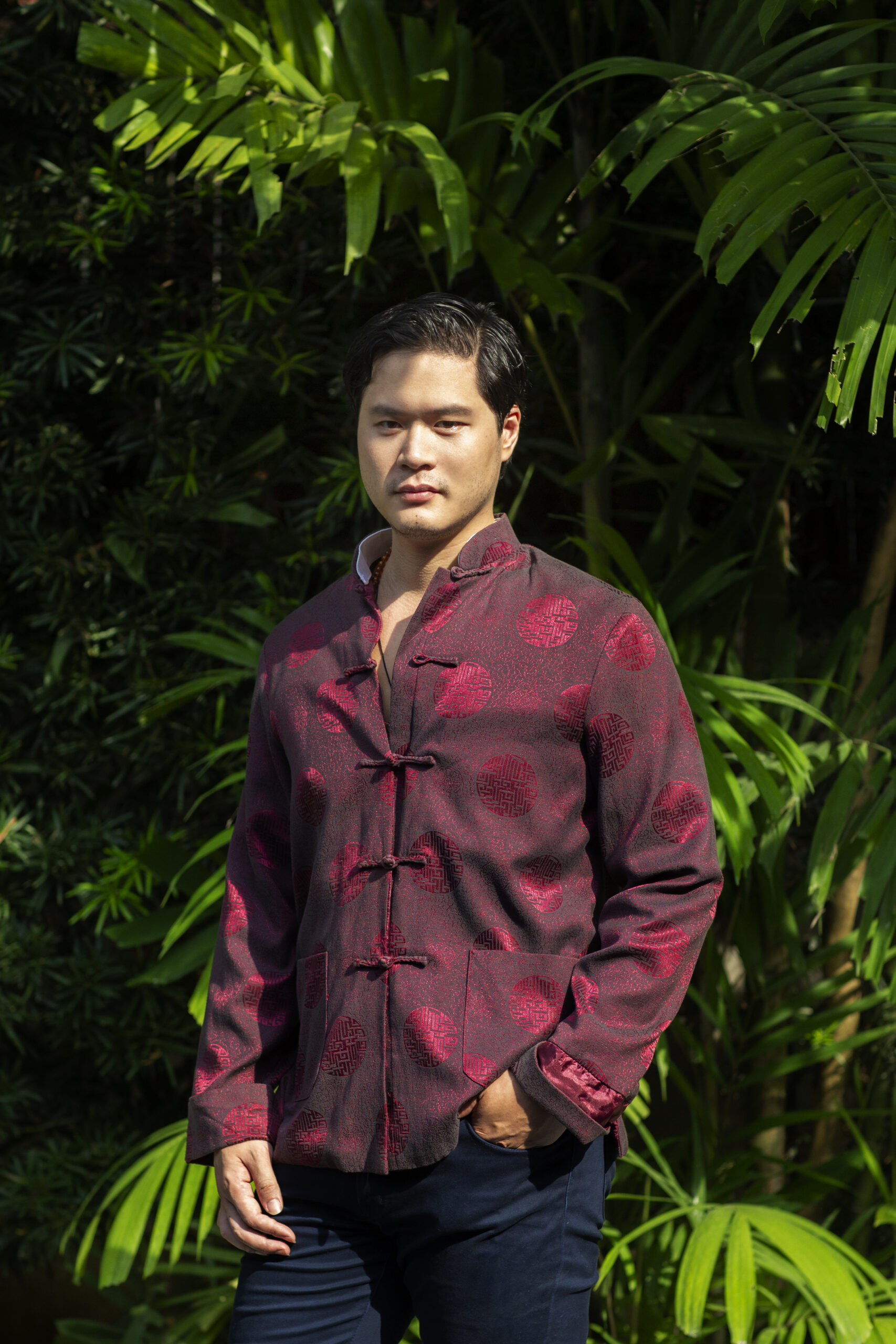
For our cover star, the canvas is not simply a surface.
It is a meeting place—between artist and subject, past and present, imagination and reality, technique and intuition.
And somewhere in that meeting place, if we look carefully enough, is the thing Lee is ultimately searching for: the soul.
By: Lucas Raven