The 154th Open Championship at Royal Birkdale, seen through the lens—and rather more than one moment—of photographer and digital artist Geoff Lowe.
There are easier ways to photograph golf.
You find the golfer. You find the ball. You wait for the swing. You press the button at precisely the right moment and, ideally, everyone goes home happy. Geoff appears to have other ideas.
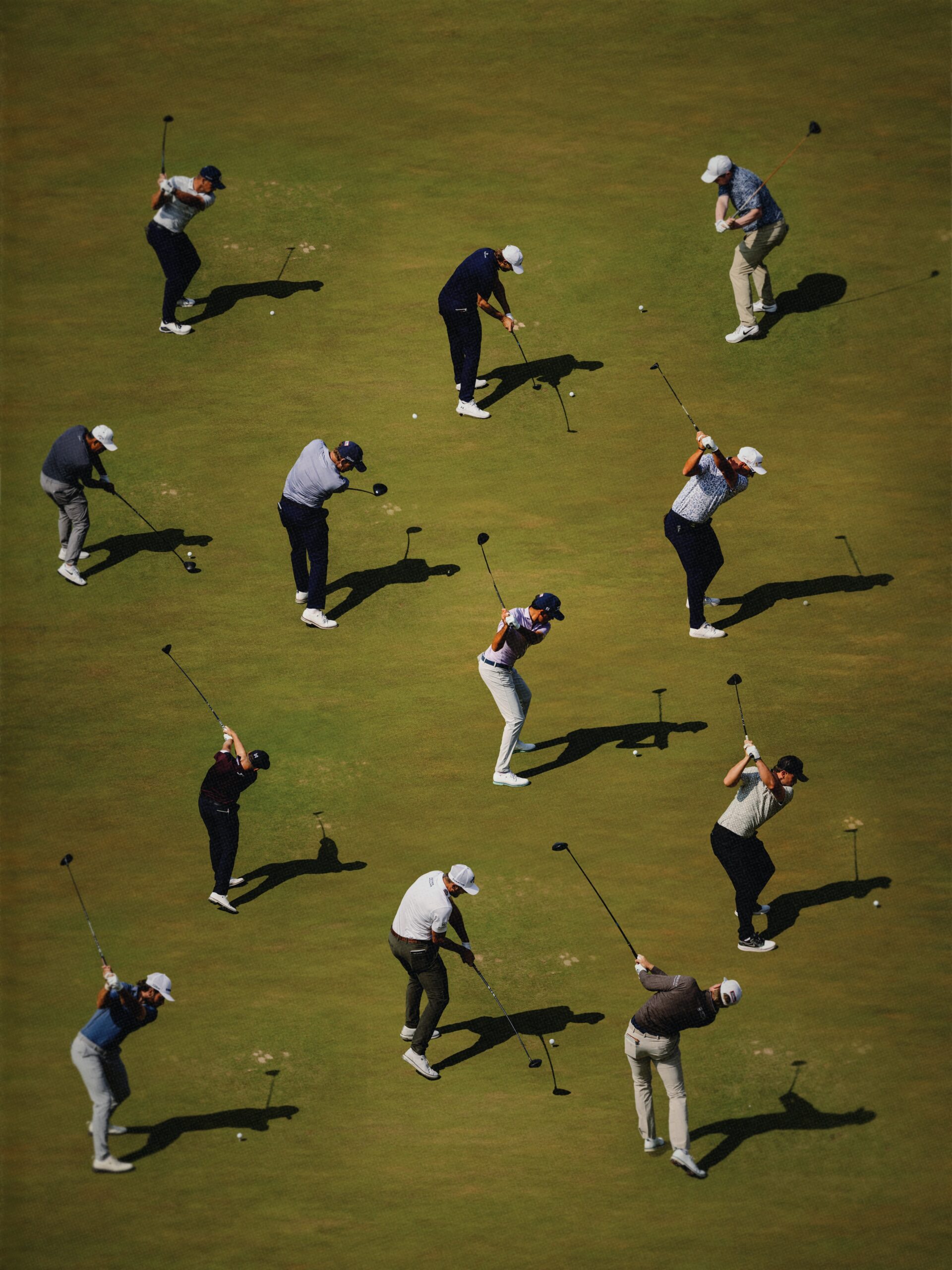
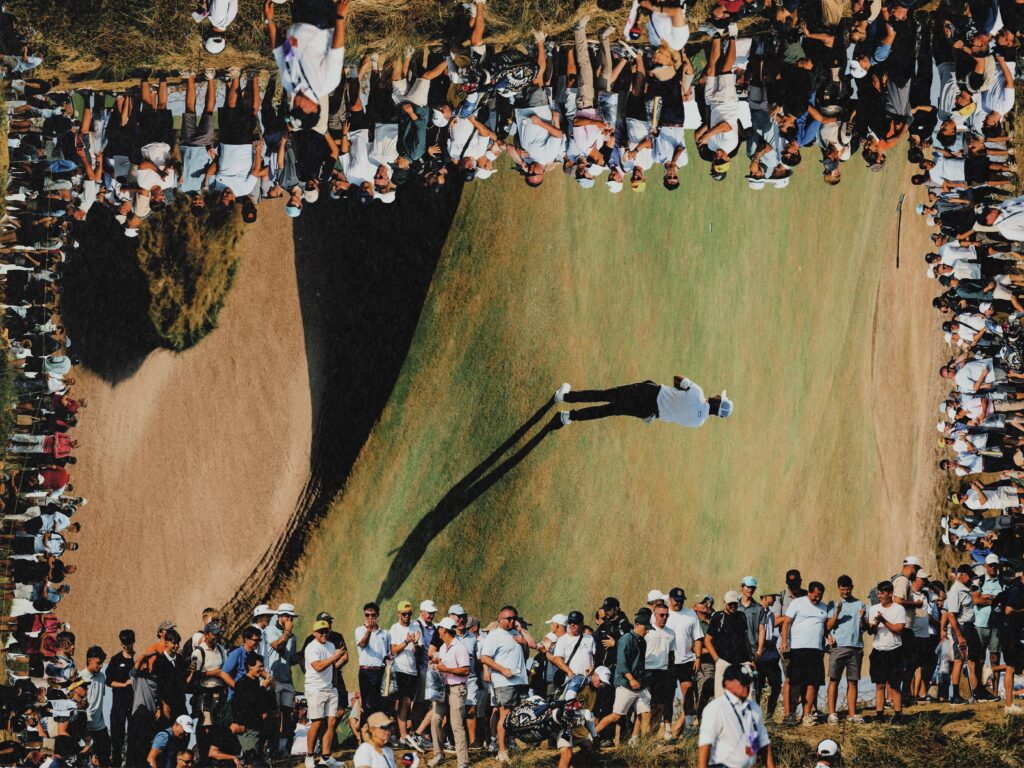
Commissioned by The R&A to capture the 154th Open Championship at Royal Birkdale, the photographer and digital artist approached the tournament less as a sequence of decisive moments and more as a visual puzzle. Instead of choosing one instant from the thousands unfolding across the course, he layered multiple moments into a single frame—players, spectators, movement, landscape and atmosphere compressed into images that feel both recognisably photographic and decidedly not.
It is golf, but not quite as the scorecard intended.
Lowe’s work occupies the increasingly interesting territory between photography, collage and digital art. His images retain the immediacy of a photograph while refusing the traditional photographic obligation to tell us exactly when something happened. Time becomes elastic. A golfer might appear more than once. A crowd becomes a kind of visual tide. The landscape stretches and folds around the action. One frame can contain the energy of an entire afternoon.
Perhaps most importantly, it looks like an Open Championship.
Not the sanitised version of golf we sometimes see from a distance, where everything is impossibly green, beautifully composed and suspiciously quiet, but the real thing: the scale of the occasion, the movement of people across a great links landscape, the anticipation, the concentration, the theatre and the occasional sense that several thousand people have collectively decided to stand in one particular patch of grass.
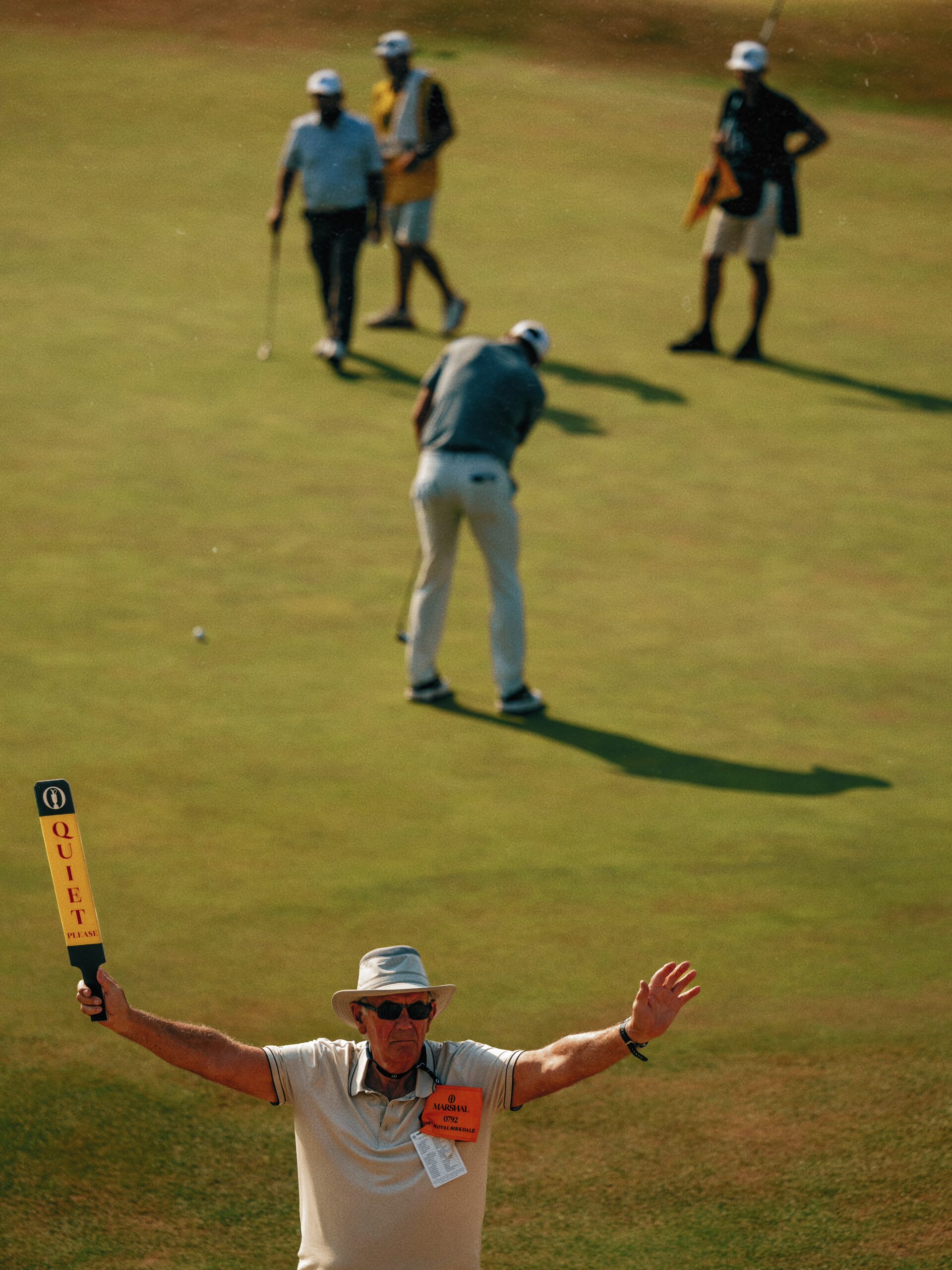
More than a moment
Sports photography has traditionally been obsessed with the decisive instant. The ball leaves the clubface. The athlete crosses the line. The trophy goes up. The shutter clicks.
Lowe asks a different question: what if the photograph could contain everything that happened around that instant, too?
His approach to The Open is built around this idea. Multiple exposures and layered images are brought together digitally, creating compositions in which individual moments remain visible while becoming part of something larger. The technique gives the work a sense of movement that a conventional single-frame photograph can struggle to convey.
It also changes our relationship with the image.
Rather than simply looking at what happened, we find ourselves looking for what happened where. A figure emerges. Another appears. A gesture repeats. The crowd shifts. The architecture of the course becomes part of the composition. The eye moves around the frame in much the same way that a spectator’s attention moves around a tournament: from player to player, fairway to grandstand, ball to scoreboard and, inevitably, back to the player who is currently doing something important.
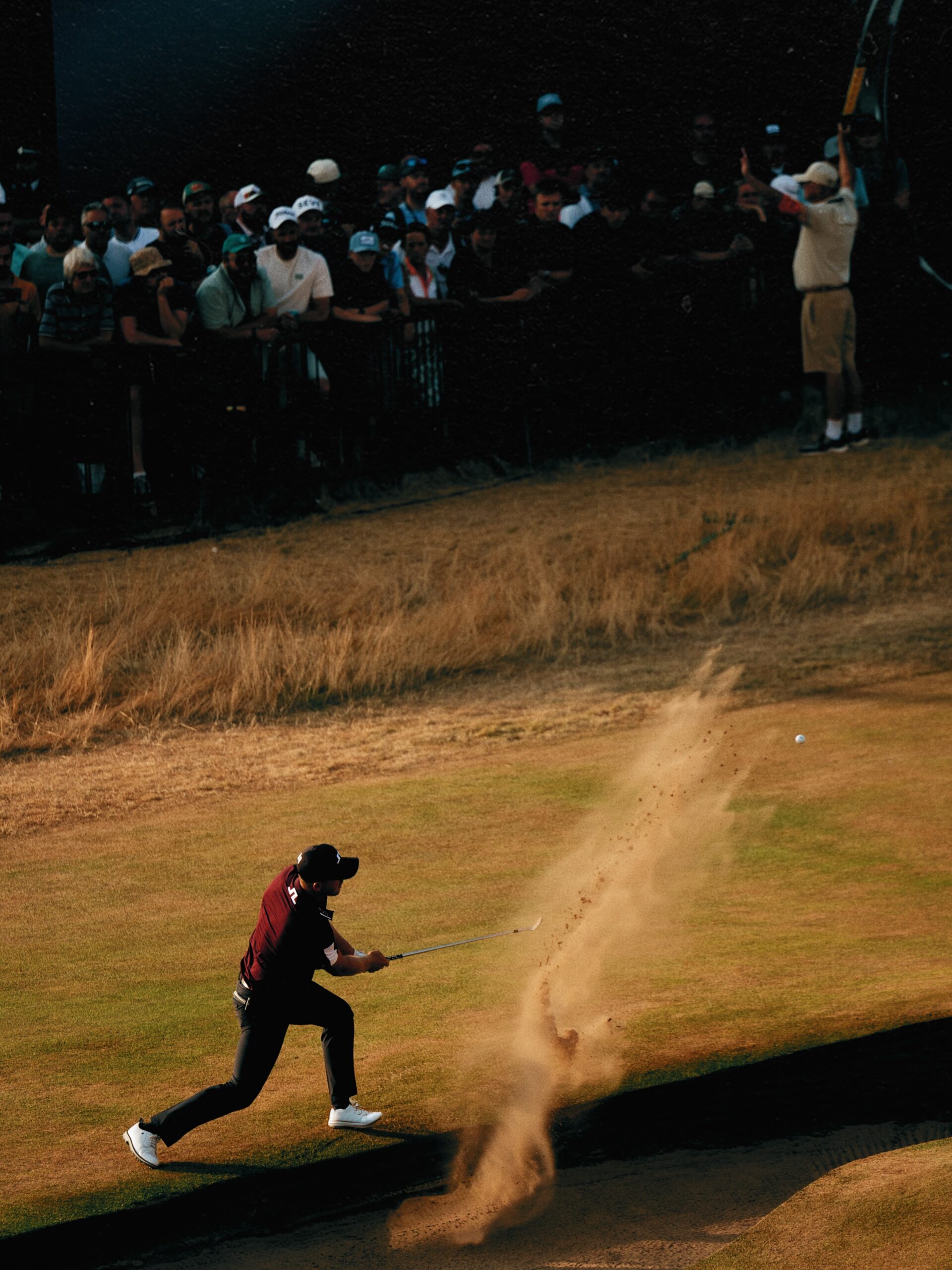
The photograph becomes an experience rather than an illustration.
Royal Birkdale, multiplied
There may be few better places to experiment with this idea than Royal Birkdale.
An Open Championship course is already a landscape of competing perspectives. The fairways stretch across enormous expanses of links terrain; spectators gather in pockets and corridors; players move through the course at different rhythms; the visual drama changes constantly with the weather, the light and the progress of the tournament.
Lowe’s treatment embraces that complexity.
Instead of flattening the experience into a single perfect composition, he allows the visual noise in. The resulting images feel layered because the championship itself is layered. There is the elite sport, of course, but also the machinery around it: the crowds, the movement, the anticipation, the rituals and the peculiar choreography of a major sporting event.
It is a portrait of The Open as a place as much as a competition. And that distinction matters. Because the great thing about a championship is rarely just what happens on the leaderboard. It is the sensation of being there. The murmur before a player hits. The sudden movement of a crowd. The endless procession between holes. The landscape appearing and disappearing behind people. The feeling that something significant might happen at any moment—even if, for most of the afternoon, nothing particularly significant happens at all.
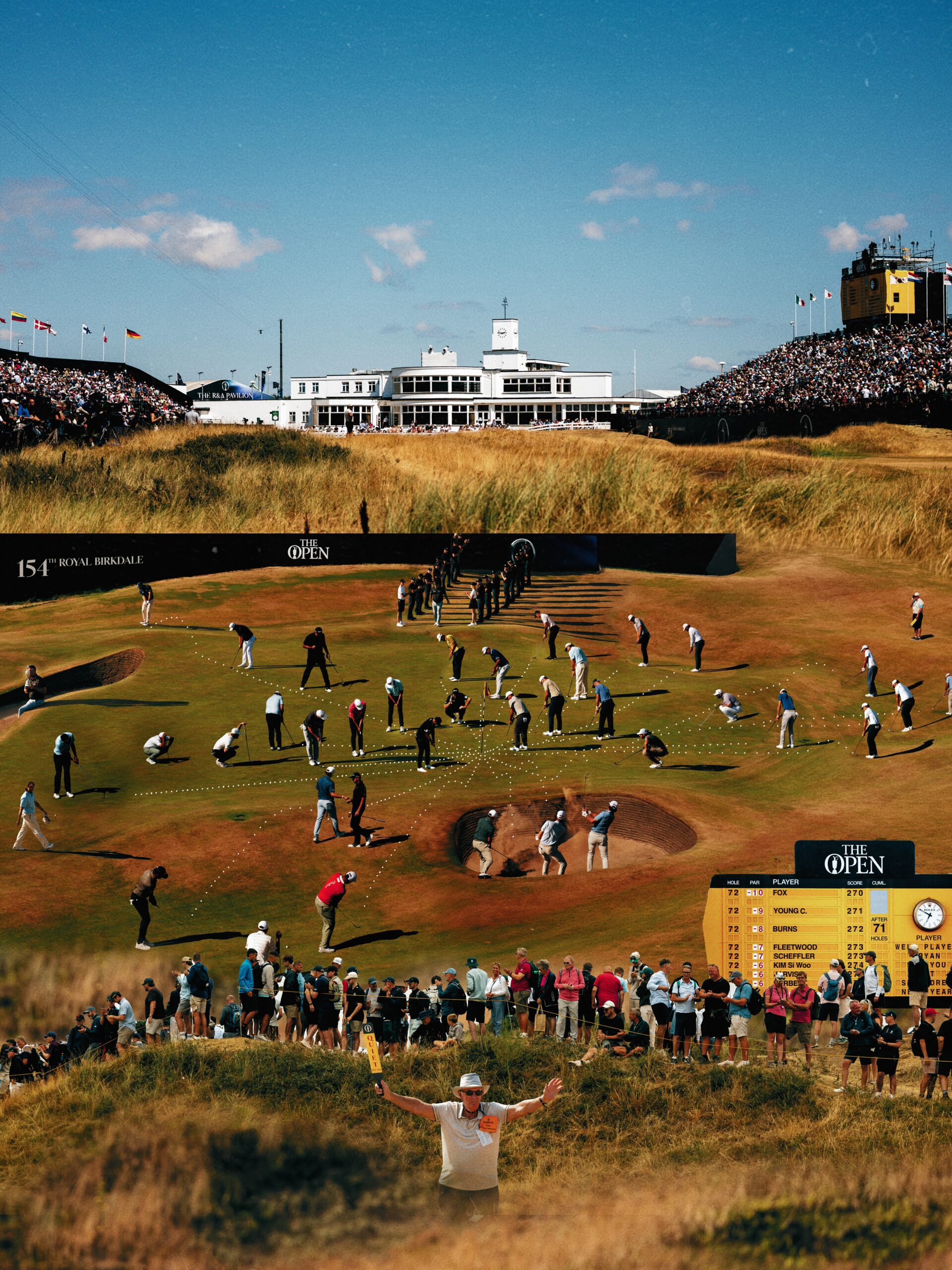
He manages to put that sensation into a frame.
Photography with a slightly mischievous streak
There is something inherently playful about the work. Photography normally promises evidence.
This is what was there. This is what happened. This is the moment.
Lowe takes that contract and gives it a gentle nudge. His images are constructed from reality, but they don’t behave like conventional documentary photographs. They ask the viewer to accept several versions of reality simultaneously. The result is faithful to the atmosphere of The Open while being entirely unconcerned with the idea that a photograph should only contain one moment in time. It is a subtle kind of visual mischief.
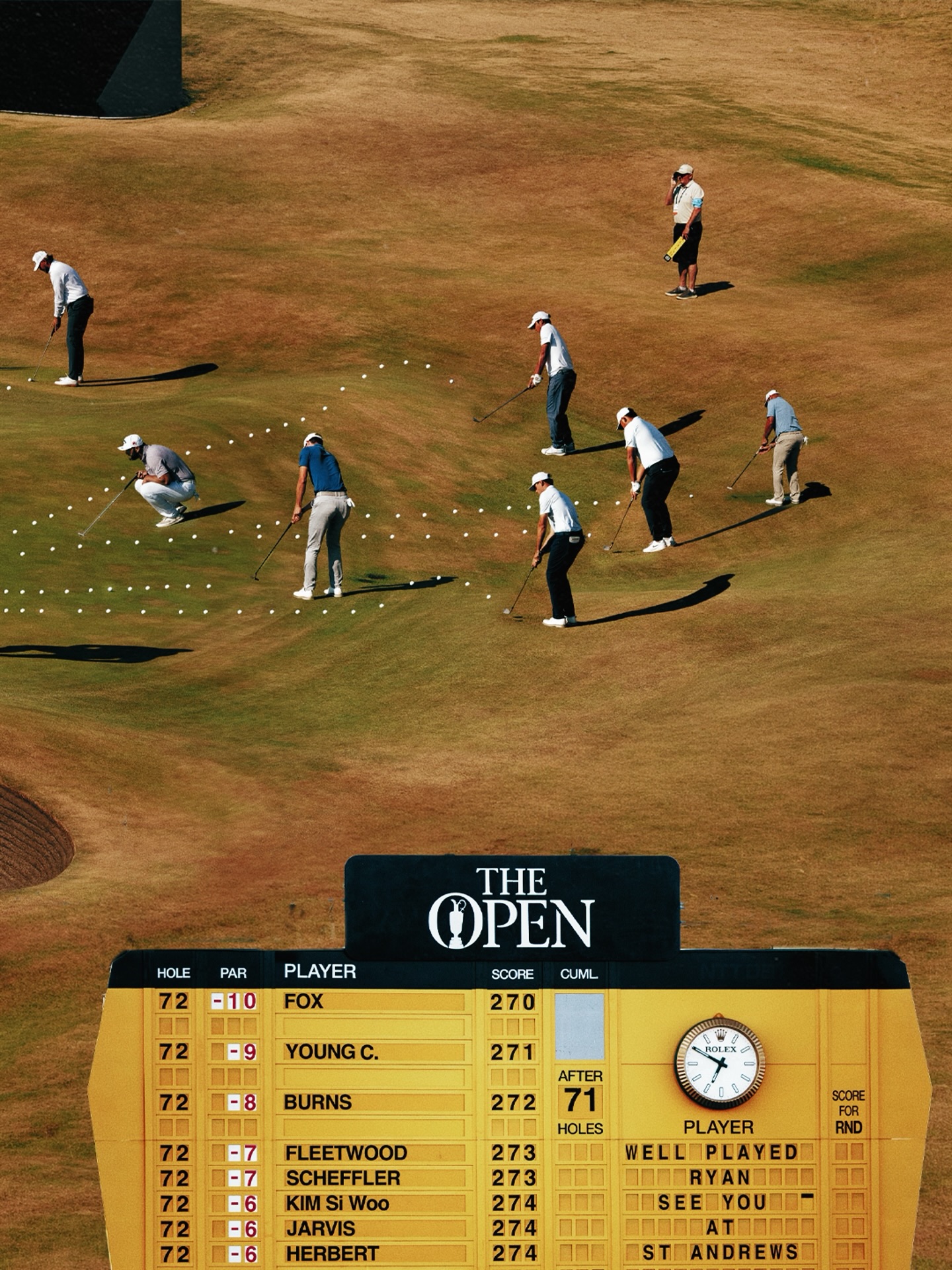
Nothing is being invented for the sake of spectacle. Instead, reality is rearranged so that we can see more of it.
That is perhaps what makes the work particularly suited to golf. The sport is, after all, built around repetition. A player walks, stops, studies, swings, watches, walks again. Then does it all over again. Four rounds. Eighteen holes. Seventy-two holes in total. An almost heroic commitment to doing the same thing repeatedly and hoping the numbers improve.
His images make that repetition visible.
The art of the crowd
One of the most compelling elements of the work is its treatment of spectators.
In conventional sports photography, crowds are often background material. They provide scale, atmosphere or a convenient collection of people looking impressed. Here, they become part of the subject.
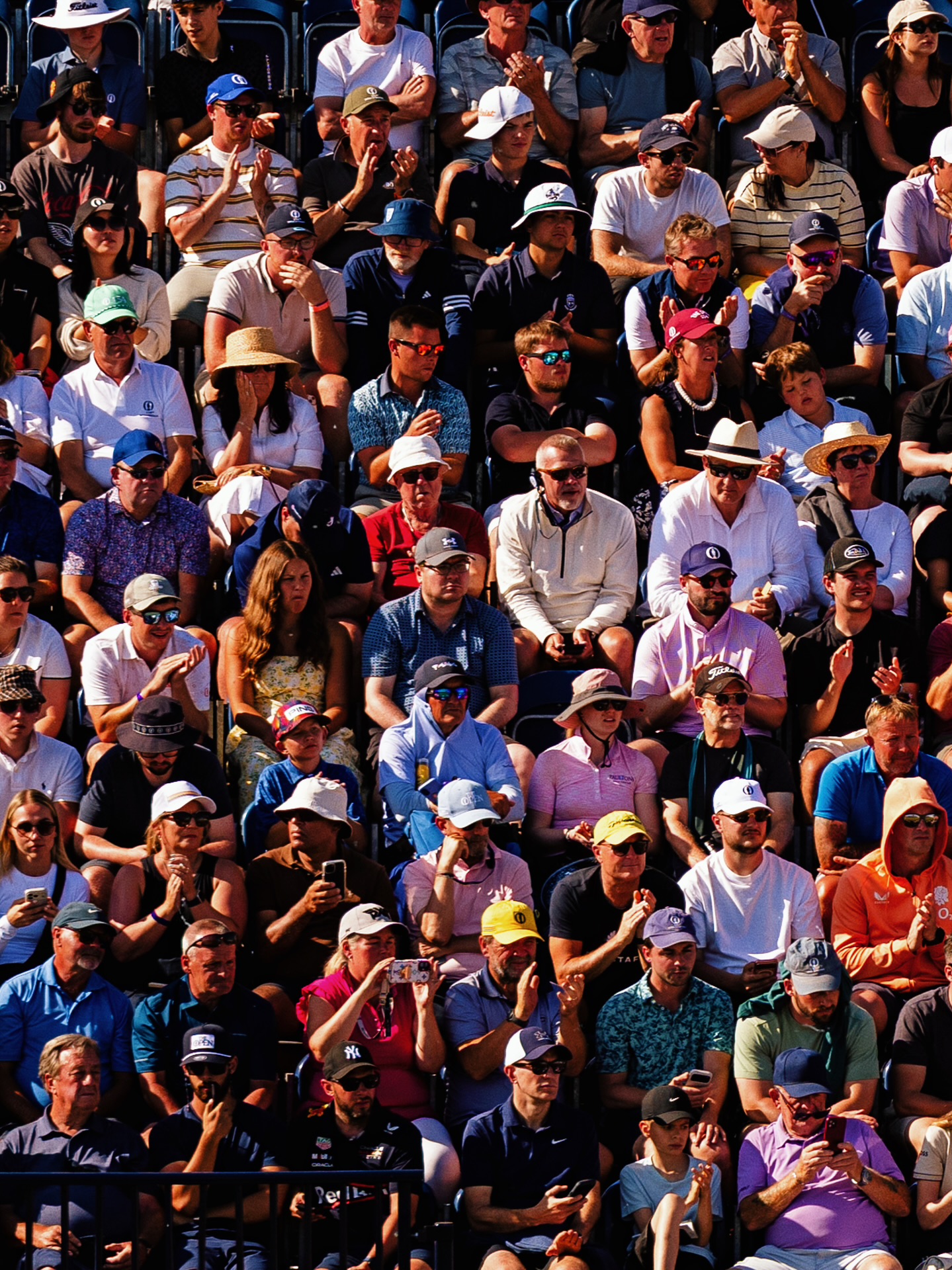
Layered figures create patterns across the landscape. Movement becomes almost architectural. Individual spectators lose some of their identity and become part of the larger visual rhythm of the championship.
It is a reminder that The Open isn’t simply something that happens to an audience. The audience is part of the event.
At Royal Birkdale, that relationship becomes particularly pronounced. The course is open, expansive and exposed, allowing thousands of people to occupy the same landscape as the world’s best golfers. Lowe’s compositions capture that shared space in a way a conventional photograph rarely can.
Between sport and art
There is a temptation to describe digitally constructed photography as somehow less authentic than traditional photography. Lowe’s work makes that argument increasingly difficult to sustain.
The photographs begin with observation. They depend on timing, access, composition and an understanding of the event. The digital process doesn’t replace those things; it extends them.
The camera records the ingredients. The artist decides how they should exist together.
The result is neither straightforward sports photography nor conventional collage. It sits somewhere between the two, with the emotional immediacy of the former and the compositional freedom of the latter.
And that is precisely why the work feels contemporary.
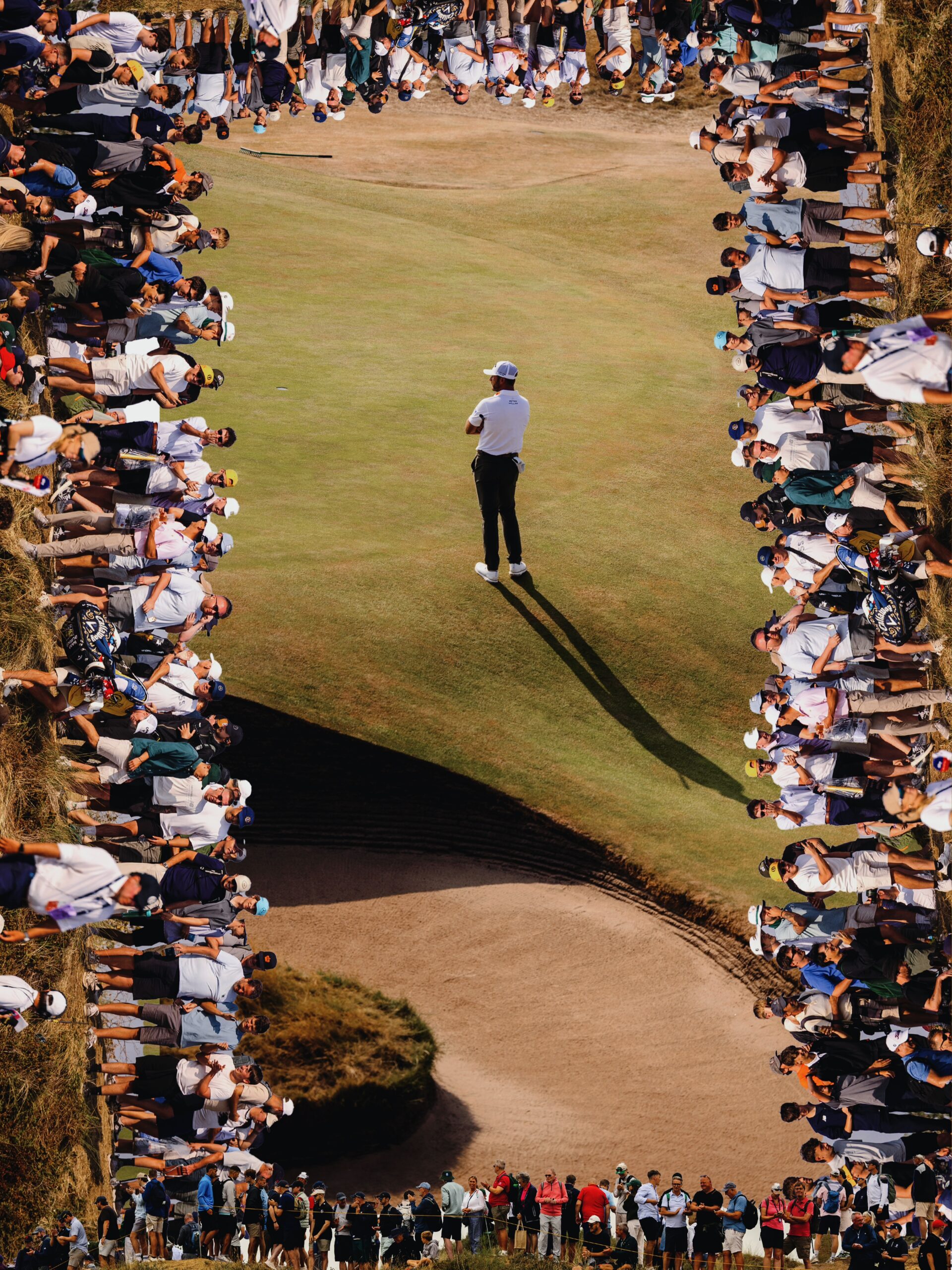
We live in a world where a single image is rarely enough to describe an experience. We photograph everything, constantly, from multiple angles and at ridiculous frequency. Lowe’s work reflects that visual reality while doing something rather more considered with it.
He gives the image a memory.
Seeing The Open differently
Ultimately, his work doesn’t try to replace the familiar visual language of The Open. It adds another one.
The tournament has been photographed countless times. There are the heroic portraits, the spectacular swings, the windswept landscapes and the inevitable trophy shot. Lowe takes the same raw material and asks us to look again.
Our cover star’s images suggest that a sporting event isn’t really a collection of isolated moments. It is a continuous experience—messy, repetitive, atmospheric and occasionally spectacular.
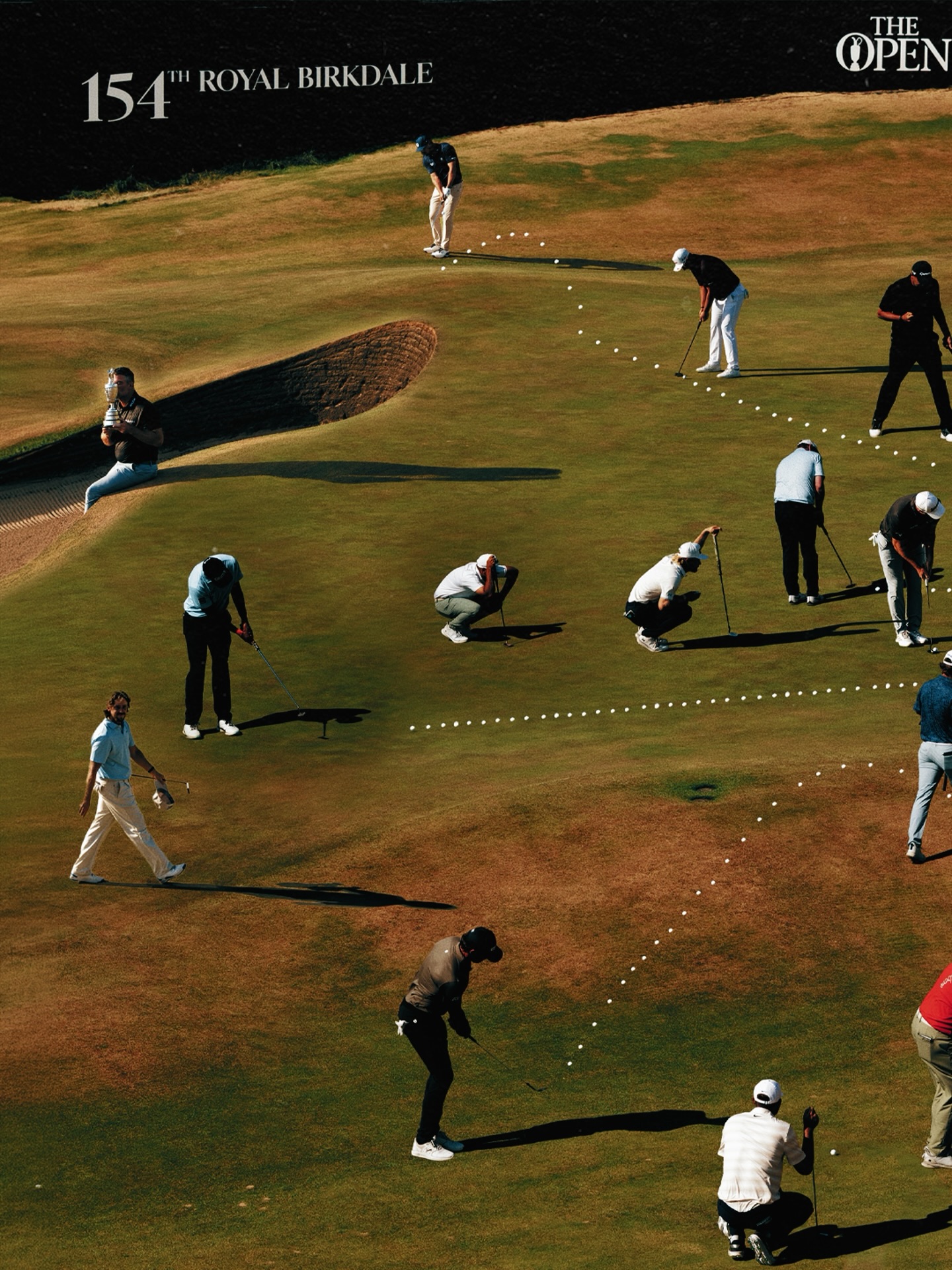
At Royal Birkdale, He has turned that experience into something tangible. The result is The Open as you might remember it rather than simply as you might have seen it: fragmented, crowded, kinetic, slightly surreal and full of things happening at once.
Which, come to think of it, is probably a fairly accurate description of golf.
And of photography.
And, on most days, of life.
By: Lucas Raven