From rugby fields to canvas realms, Ed Williamson’s eclectic tapestry of influences is a reflection of his relentless pursuit of excellence.
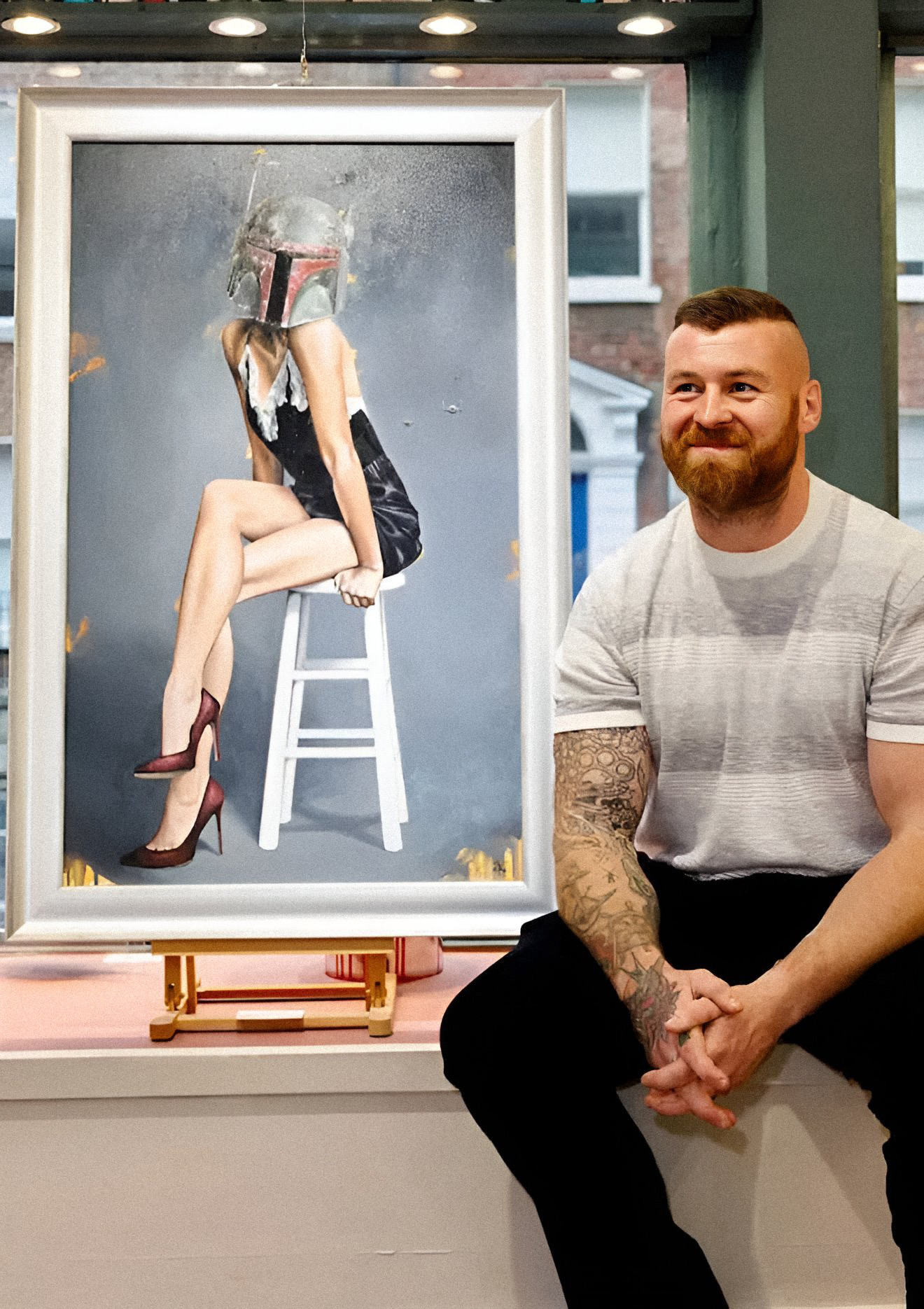
Artist Ed Williamson is pictured at the opening of his “Persona” exhibition at The Oriel Gallery, Dublin.
There is something wonderfully Irish about Ed Williamson’s route into the art world. It begins, as these things sometimes do, with rugby, ambition and a body that eventually decided it had other plans.
The injury that brought his sporting career to an abrupt halt could have been an ending. Instead, it became an unlikely beginning.
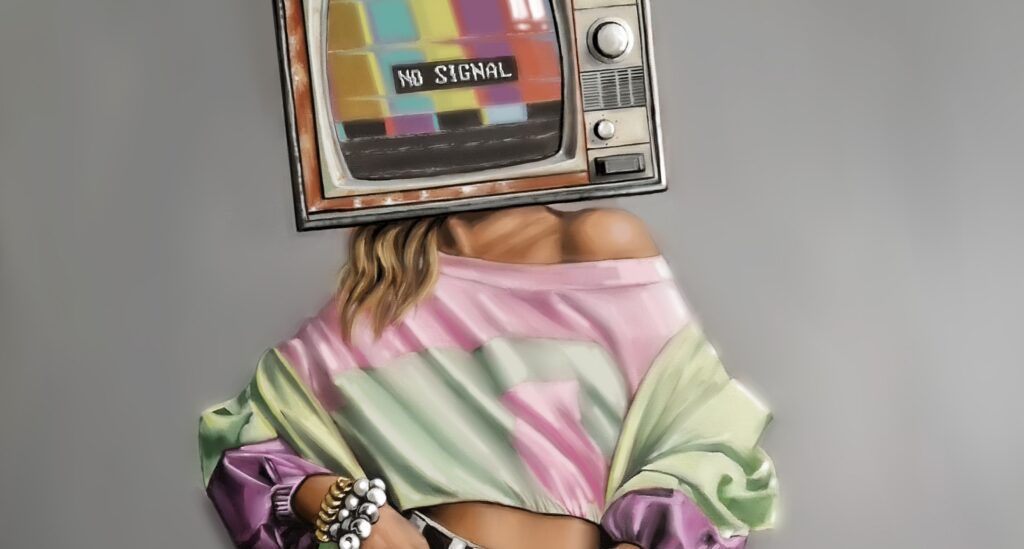
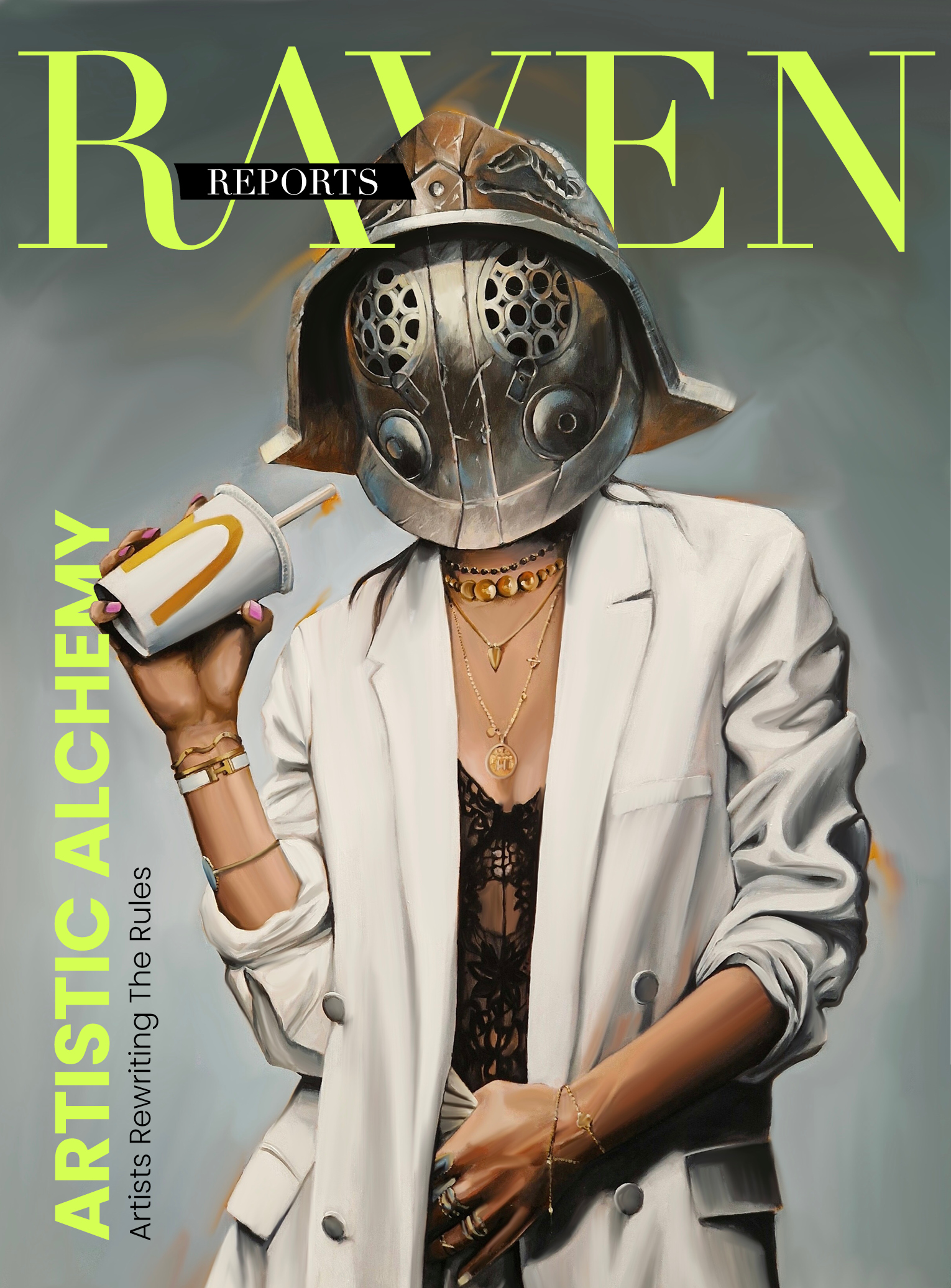
Today, Williamson is an artist whose work is bold, layered and unapologetically expressive. His paintings occupy a space where colour, culture, movement and human emotion collide. Look closely and there is an obvious connection to the physicality of sport: the energy, the tension, the instinct to push harder. Only now, instead of chasing a ball across a pitch, Williamson is chasing something considerably more elusive—the image in his head. And, thankfully for the rest of us, canvas is rather more forgiving than a knee.
A different kind of playing field
Ed did not set out with a grand plan to become an artist. His transition began after injury forced him away from rugby and created an unfamiliar space in his life. For someone accustomed to the discipline, camaraderie and competitive intensity of sport, the sudden absence of that world could have been disorientating.
His wife encouraged him to explore painting.
What began as an experiment became a vocation.
There is a certain irony in the fact that the injury that removed him from one arena ultimately placed him in another. The competitive instinct remained, but its expression changed. The physical discipline of sport gave way to the discipline of the studio: showing up, experimenting, failing, starting again and learning to trust the process. The field had simply become a canvas.
A world of influences
Ask him where his ideas come from and the answer is unlikely to be a neat list of favourite painters. His inspiration is expansive: cultures, cities, people, movement, architecture and the intricacies of human connection all find their way into the work. It is less a single source of inspiration than a constant accumulation of impressions.
This makes sense when looking at the paintings themselves. They feel lived-in.
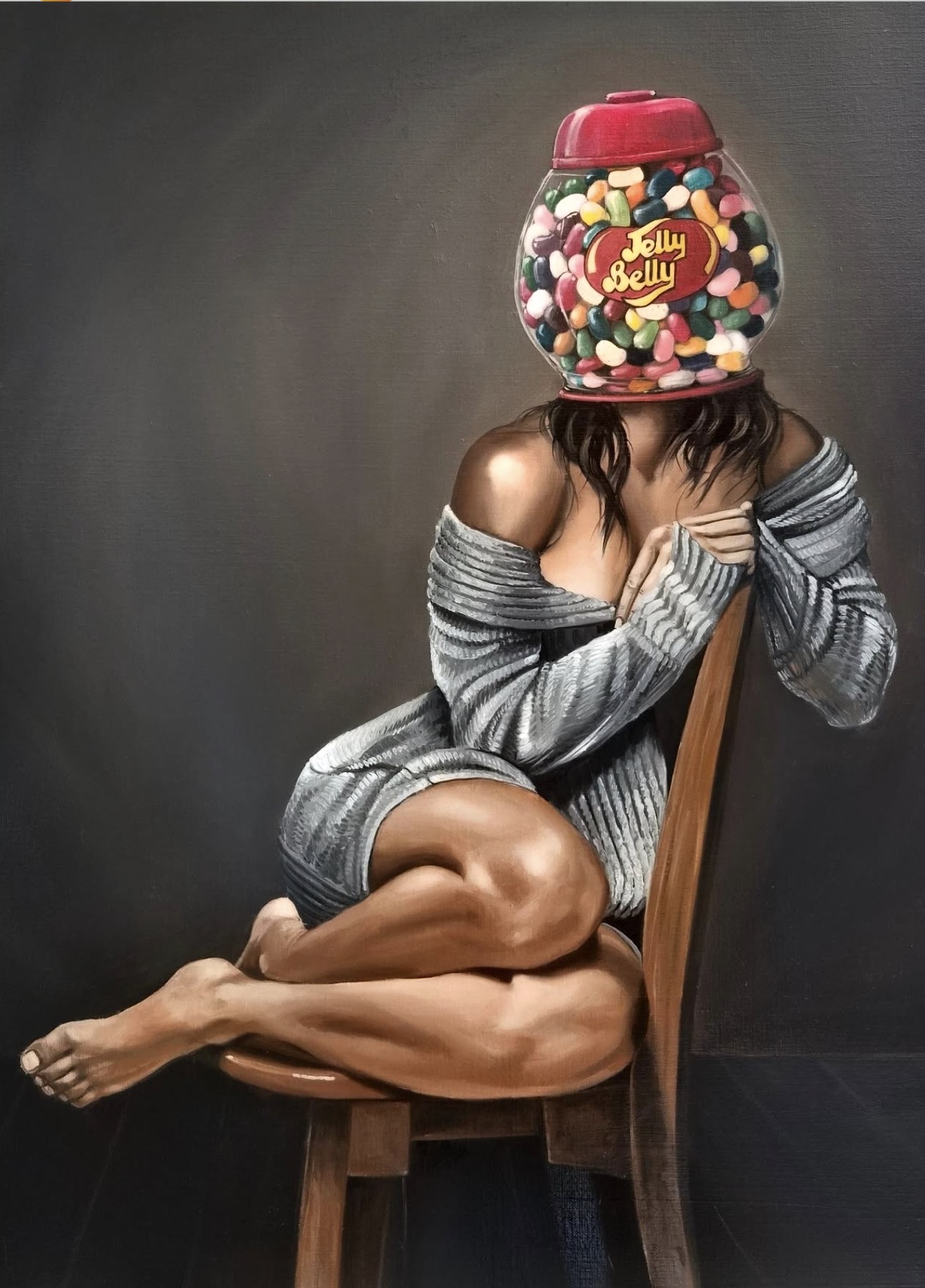
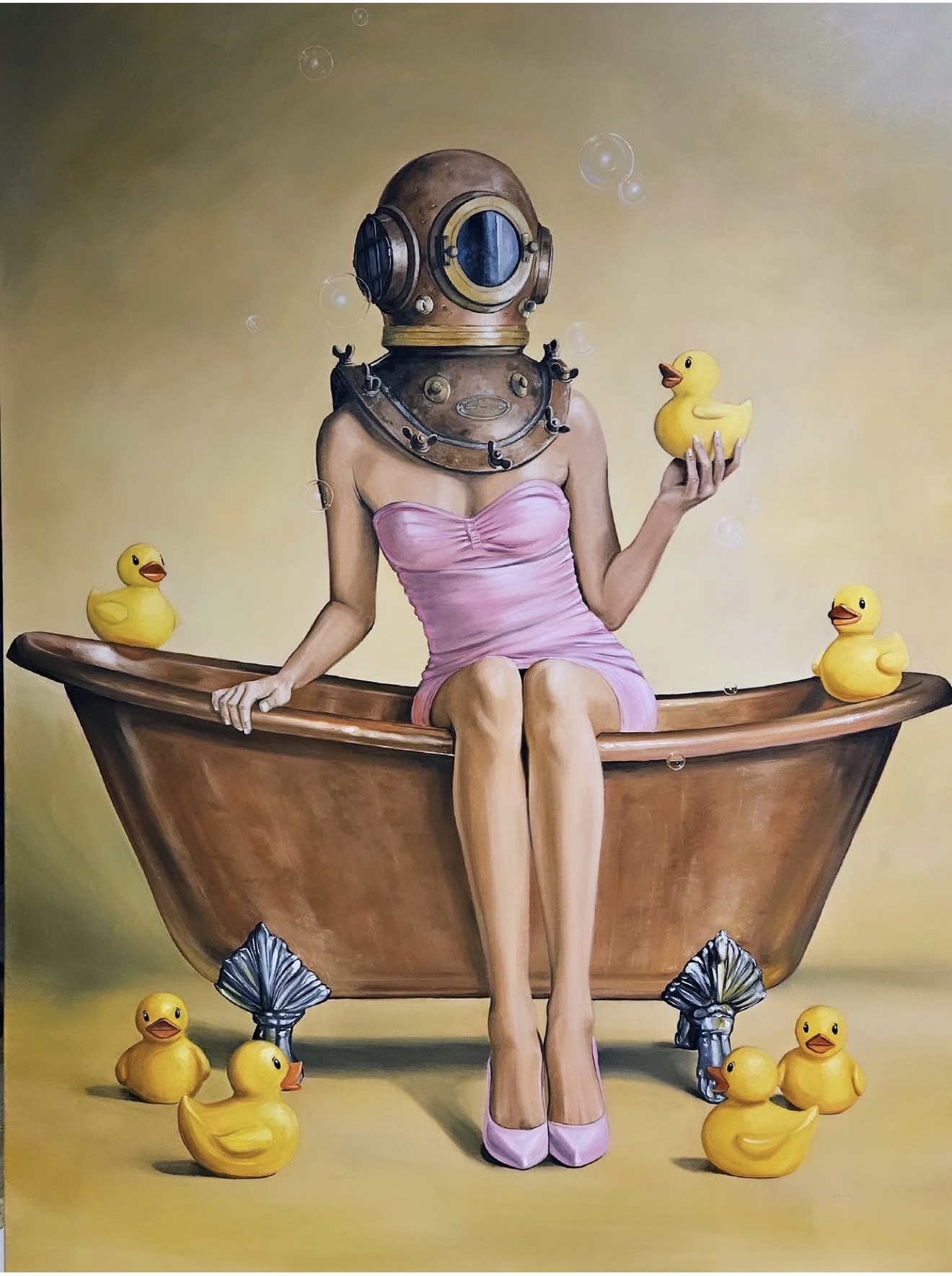
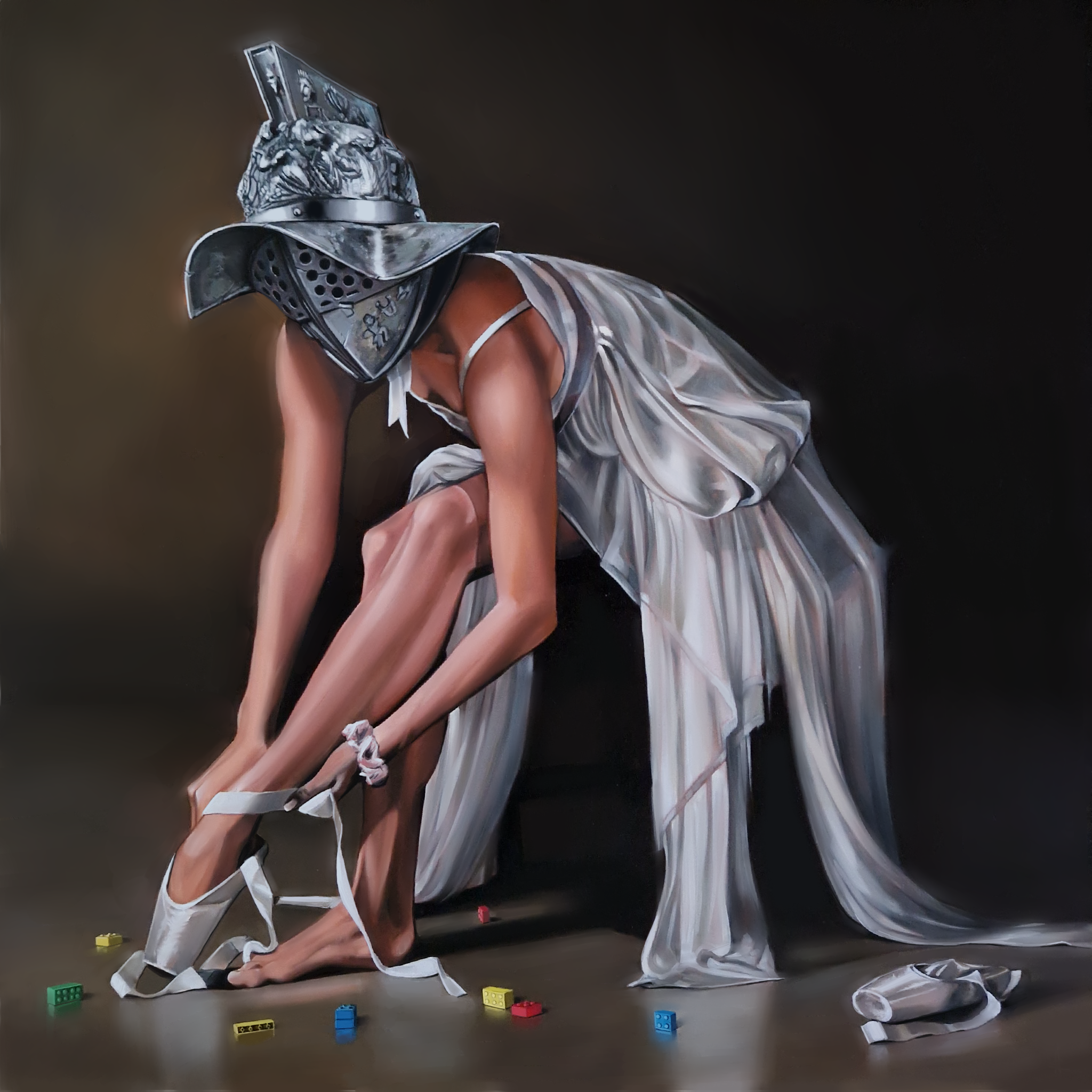
There is a sense that Williamson is less interested in reproducing the world than interpreting the experience of moving through it. Colour becomes emotional rather than merely descriptive. Forms appear and disappear. Faces, figures and fragments emerge from layers of paint, suggesting stories without necessarily resolving them.
The viewer is invited to fill in the gaps.
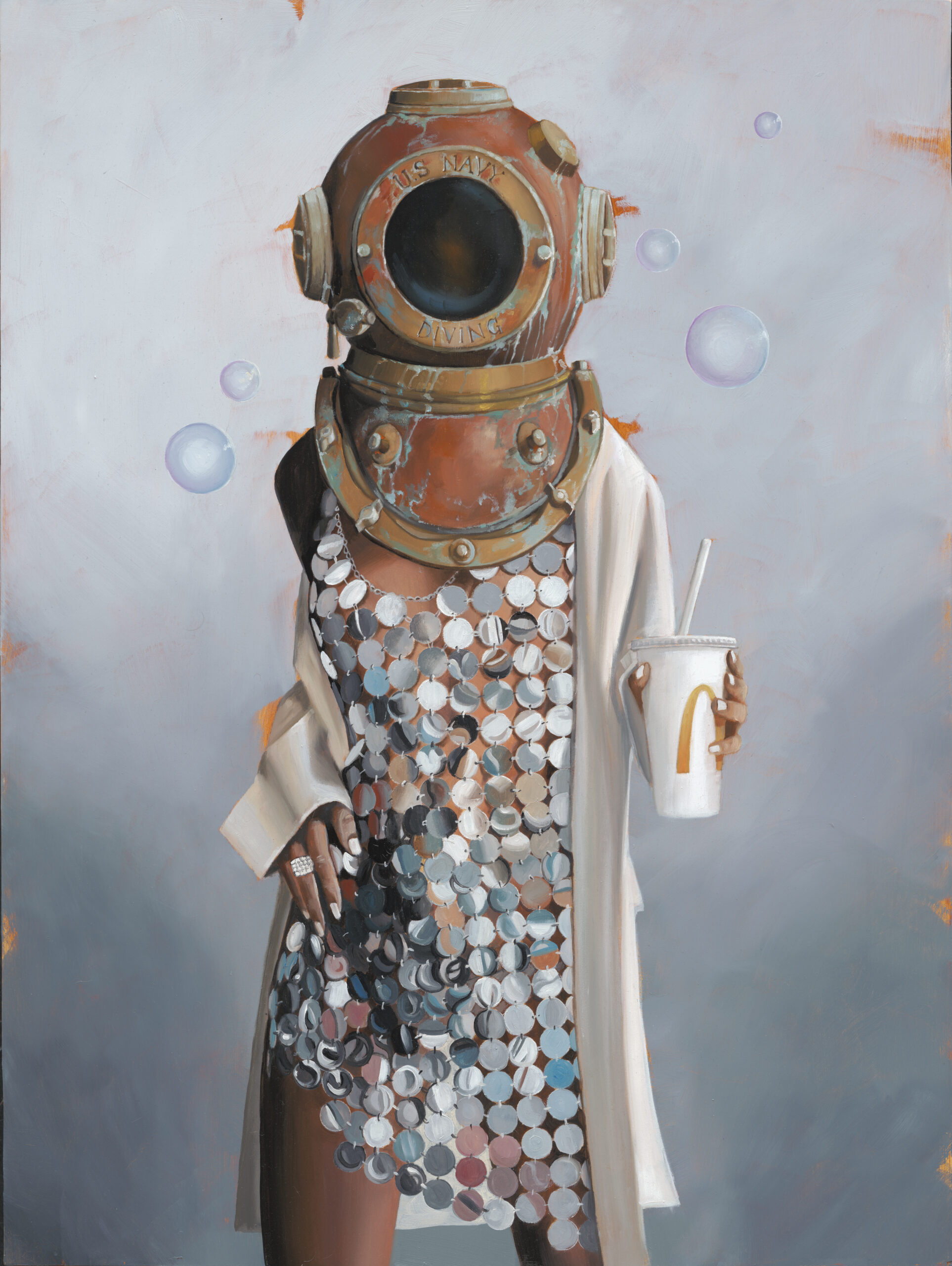
Which is rather more interesting than being told exactly what to think.
Persona
Williamson’s Persona exhibition at The Oriel Gallery in Dublin offered a particularly revealing window into his evolving practice. The title itself points towards identity—the versions of ourselves we present, the people we become and the ways in which identity shifts depending on circumstance. It is fertile territory for an artist whose own life has undergone such a fundamental transformation.
There is an intriguing tension in Williamson’s work between the personal and the universal. His paintings are clearly his own, shaped by his experiences and influences, yet they leave enough space for the viewer to find themselves somewhere within the composition. A face might suggest recognition without being immediately recognisable. A figure can feel intimate and anonymous at the same time.
That ambiguity is part of the appeal.
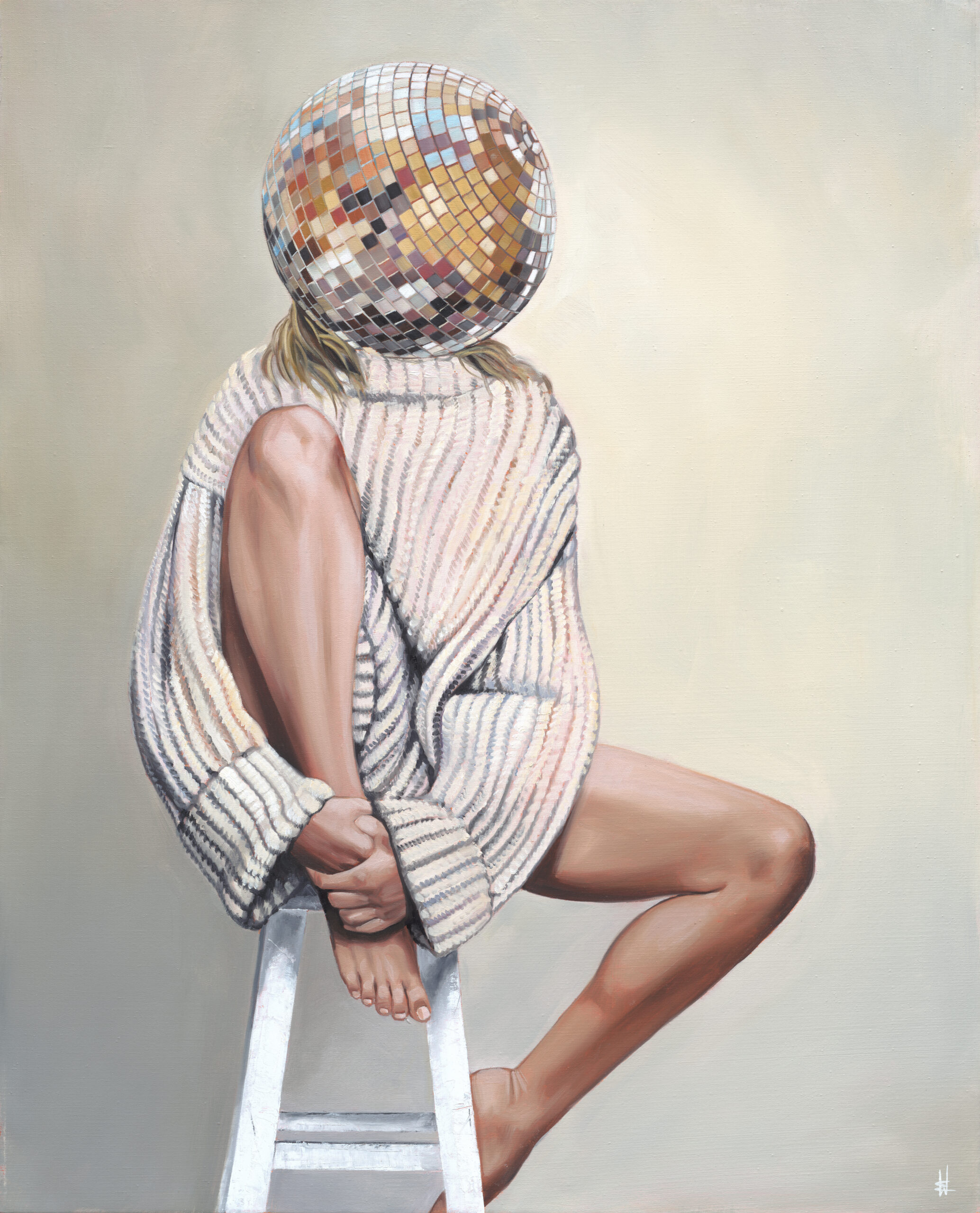

Williamson isn’t handing us a finished answer. He is giving us somewhere to look.
The competitive artist
Despite the apparent distance between rugby and painting, the mindset required for both may not be so different.
There is discipline. There is repetition. There is failure. There is the constant awareness that the next attempt might be better than the last.
Ed speaks about his work with the same appetite for improvement that one might expect from someone who has spent years in competitive sport. His ambition is not simply to make paintings; it is to keep evolving.
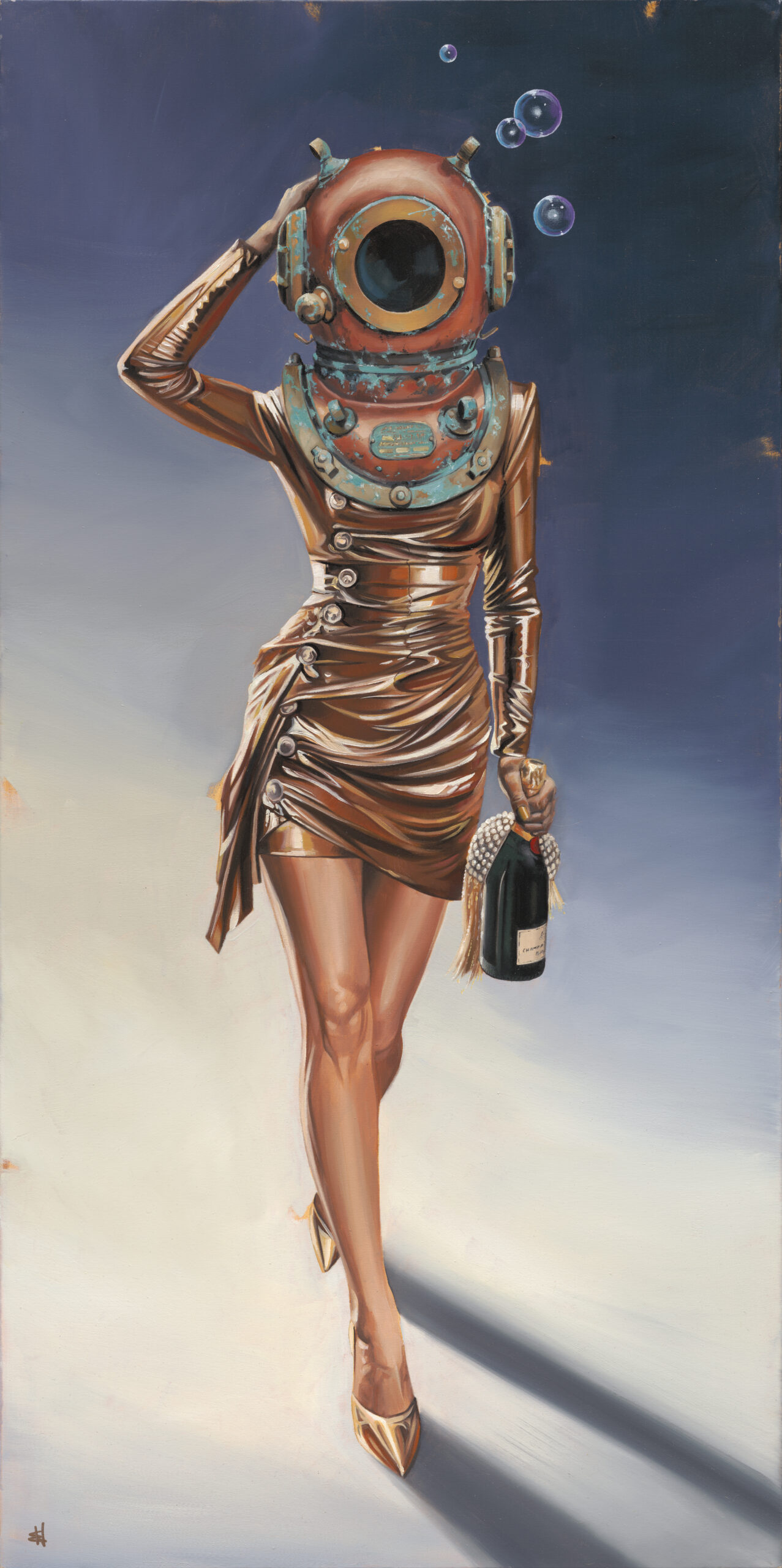
That relentless pursuit of excellence is visible in the work. The paintings aren’t timid. They demand attention. There is confidence in the scale, the colour and the layering, but also an underlying sense of curiosity. Williamson is clearly still asking questions of his own practice. What happens if the image becomes less defined? What happens if colour carries the emotion? What happens when a painting stops explaining itself and starts provoking a response? The answers are rarely predictable.
From Dublin to the world
There is also a healthy dose of ambition behind the work.
Williamson has his sights set beyond Ireland, with aspirations to exhibit on some of the international art world’s most prestigious stages, including Art Basel. It is an appropriately ambitious target for an artist who has already reinvented himself once. Global recognition is perhaps less interesting than the reason behind it.
Ed wants the work to travel because he wants it to connect. His paintings are rooted in his own journey, but their subject is something much broader: identity, transformation, memory and the strange business of being human. Those themes don’t require a passport.
The challenge now is taking that conversation to a larger audience without losing the qualities that made the work compelling in the first place.
The space between identities
Perhaps the most interesting thing about Ed Williamson is not that he became an artist after leaving rugby.
It is that he doesn’t seem particularly interested in defining himself by either.
The former rugby player and the contemporary artist are not competing identities. They are part of the same story.
The discipline of sport remains. So does the appetite for competition, the importance of resilience and the willingness to keep going when circumstances change. The difference is that the physical arena has been replaced by a more unpredictable one.
Painting offers no final whistle.
There is no scoreboard to tell you whether a work has succeeded. No referee. No obvious moment when the job is finished. There is only the painting, the artist and the increasingly complicated question of whether to add one more mark—or, perhaps, finally leave it alone.
For our cover star, that uncertainty seems to be precisely the point.
The next chapter
Standing in front of his work, it is tempting to look for the rugby player beneath the artist. But perhaps that misses the point.
His journey is not really about leaving one life behind for another. It is about what happens when an unexpected interruption forces you to discover something that was waiting there all along.
The canvas became a new kind of playing field. The rules were different, the outcome less certain, but the essential instinct remained: compete, experiment, improve. Now Ed is looking outward.
There are exhibitions to pursue, audiences to reach and, no doubt, plenty of paintings still refusing to behave quite as expected. If his journey so far is any indication, the interesting part is only beginning.
Because sometimes the most important transformation isn’t changing who you are. It’s discovering who else you might become.
By: Lucas Raven