I. The Story of Del Ritz
Photography: Lucas Raven
A century of discretion, glamour and rather a lot of stories. If these walls could speak, one suspects they would be terribly discreet.
After all, this is a hotel that has been keeping secrets since 1919, when it opened its doors as the Ritz Barcelona. The idea came from Catalan politician Francesc Cambó, who persuaded César Ritz that Barcelona deserved an establishment to rival the grand hotels of Europe. Ritz died in 1918, before the project was completed, but his name — and his rather exacting philosophy of hospitality — lived on.

And then history happened.
The Ritz survived the Spanish Civil War, during which it was requisitioned as the Hotel Gastronómico Nº 1. Its basement became an air-raid shelter, and parts of the building were given over to the Red Cross. It later returned to its original, glamorous incarnation, resuming its place at the centre of Barcelona’s social and cultural life.
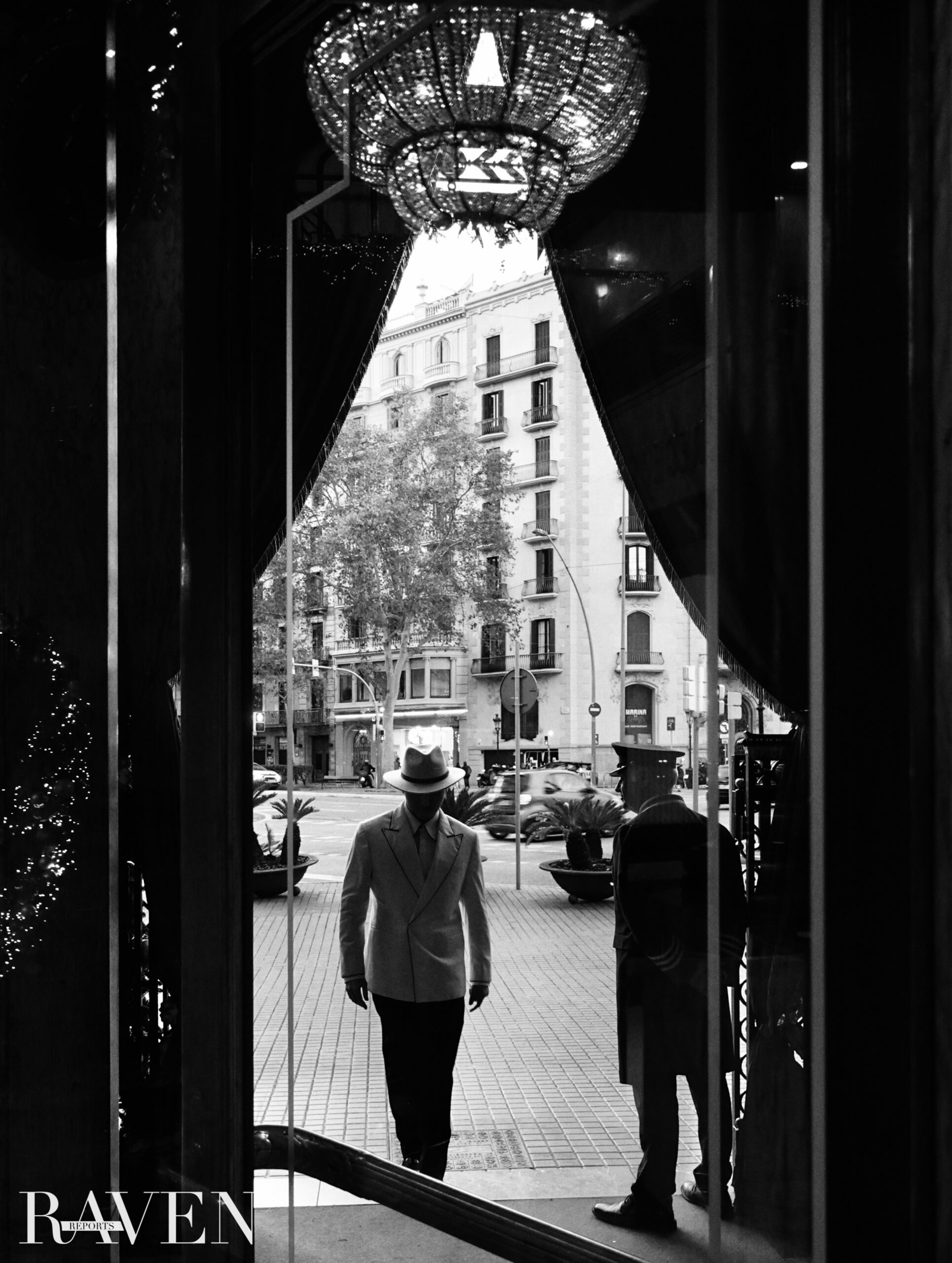
Artists came. Musicians came. Royalty came. So did politicians, writers and the sort of people whose names tend to turn up in memoirs rather than guest registers.
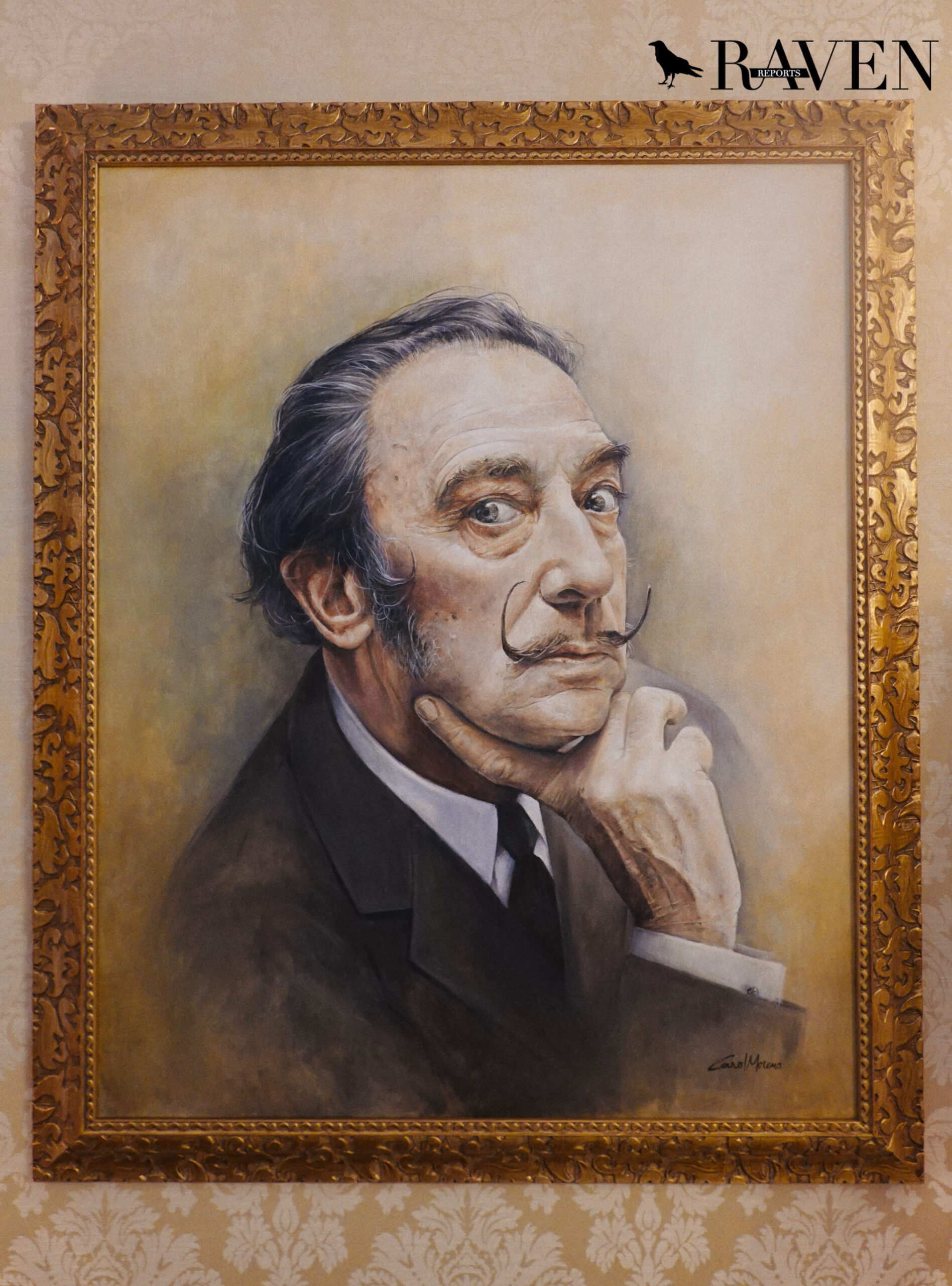
Salvador Dalí stayed for extended periods; Josephine Baker performed at what was then the famous Parrilla del Ritz; Joan Miró met fellow intellectuals here; and Ronnie Wood grew so fond of the place that an entire suite now bears his name.
Today, the Ritz name has given way to El Palace Barcelona, but the property has wisely resisted the temptation to behave as though it has forgotten its past. It hasn’t. And judging by the walls, they haven’t either.
II. The Address
In the thick of it, without being too much in the thick of it
The address is Gran Via de les Corts Catalanes 668, in the Eixample, just moments from Passeig de Gràcia — which is to say: exceptionally well connected, thoroughly central, and just far enough from the tourist scrum to feel as though you know something the others don’t.
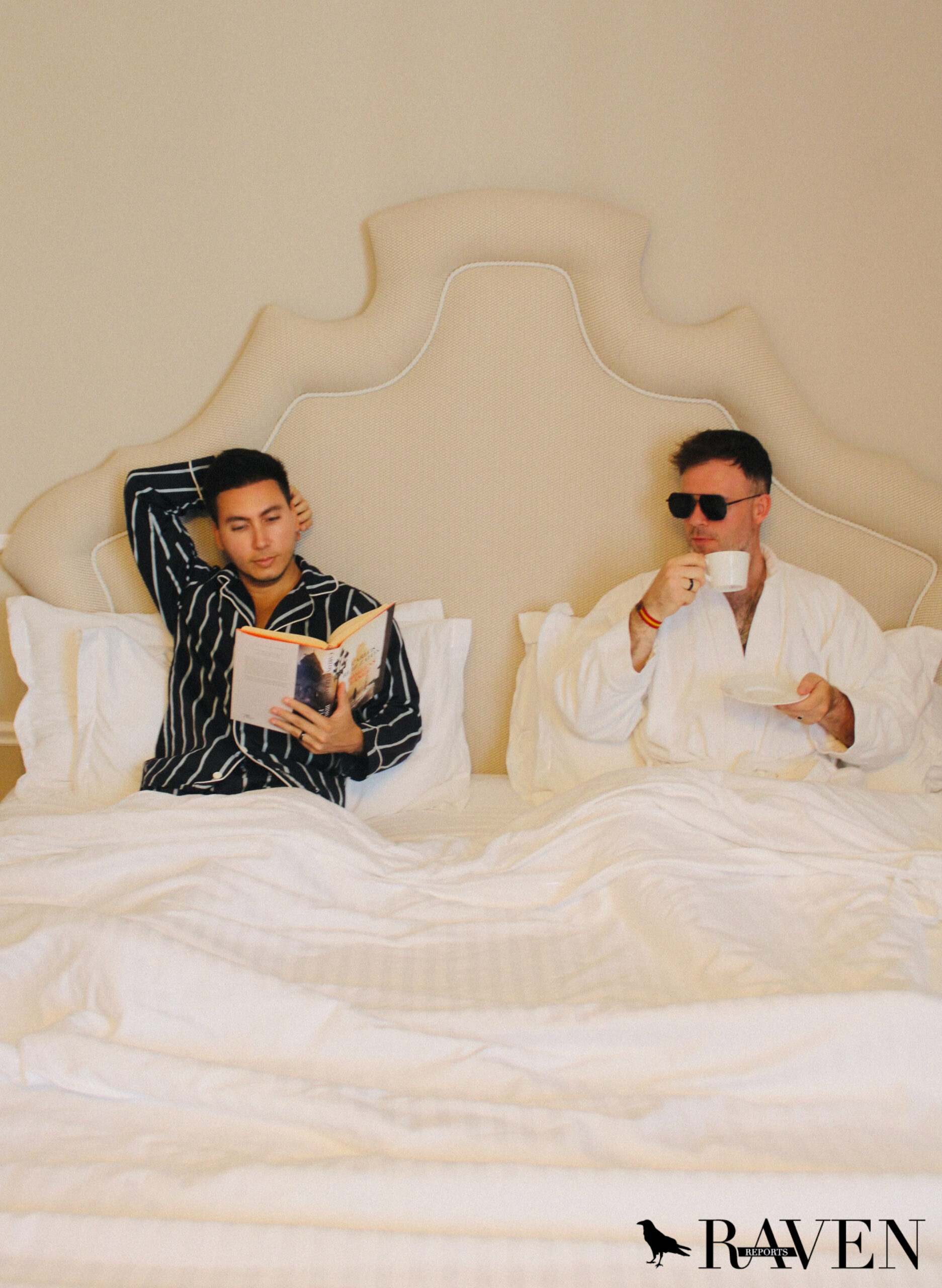
This is old Barcelona at its most polished: broad avenues, grand façades and the wonderfully civilised notion that one might walk somewhere simply because it is pleasant to do so. Passeig de Gràcia sits nearby, as do the architectural treasures that have made the city one of Europe’s great destinations for a short break. Yet El Palace feels less like a base you retreat to after sightseeing and more like somewhere you could happily spend an entire day without any sightseeing at all.
Breakfast in the garden. A leisurely lunch. A drink. A little people-watching. Perhaps a rooftop interlude. Barcelona can wait. It has been there for quite some time.
III. The Architecture
French flair, Catalan surroundings and absolutely no interest in minimalism
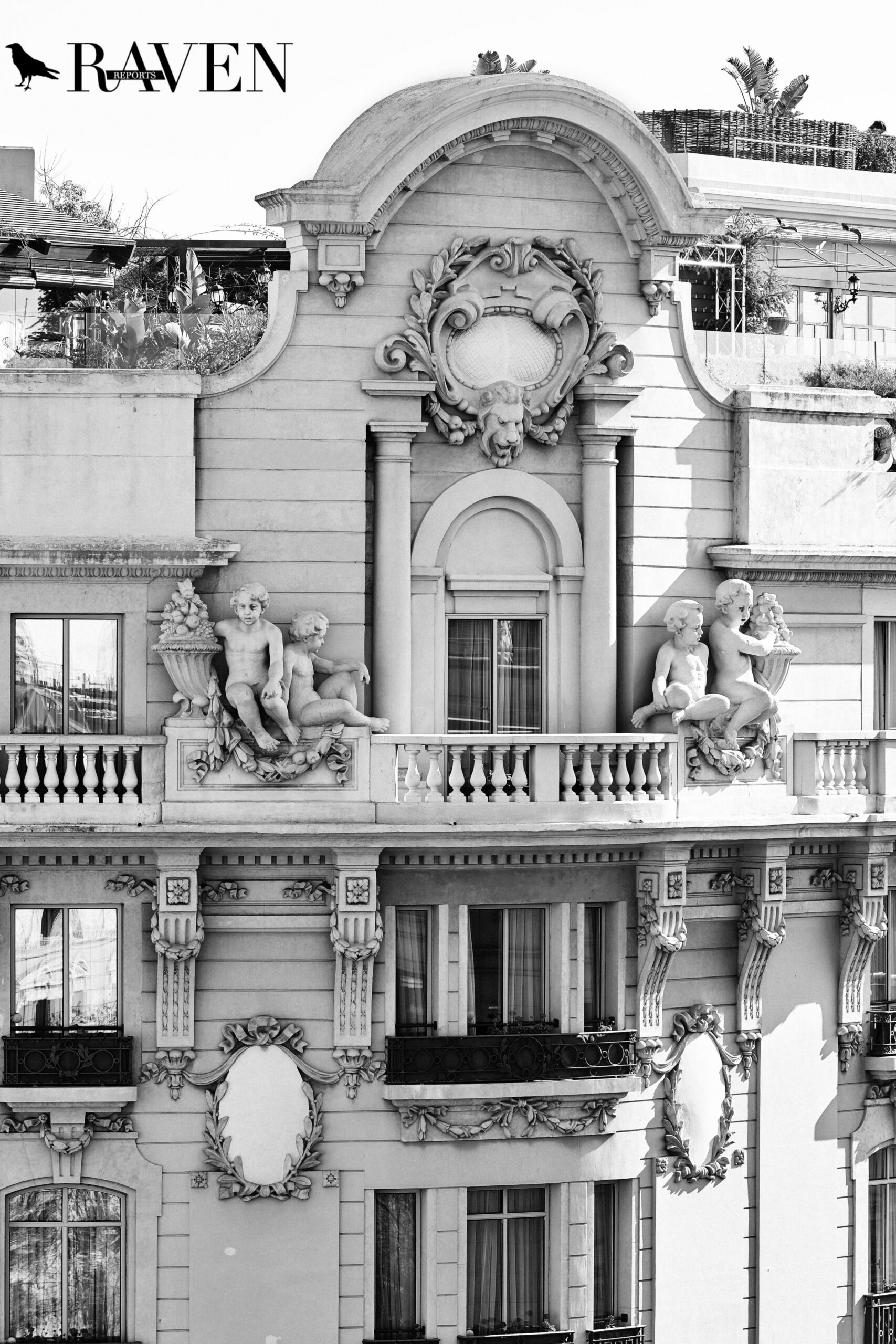
Designed by Eduard Ferrés i Puig, the building belongs to the grand tradition of early twentieth-century European luxury hotels, with a distinctly French-influenced aesthetic. When it opened, it held 190 rooms, marble baths, frescoed walls, ornate salons and no shortage of greenery. In other words, subtlety was never really the brief. And thank goodness.
The interiors carry the confidence of a property that knows exactly what it is. There are fireplaces dating back to 1919, classical detailing, and the kind of rooms that encourage one to dress for dinner — even when dinner is technically downstairs and one is merely heading to the bar.
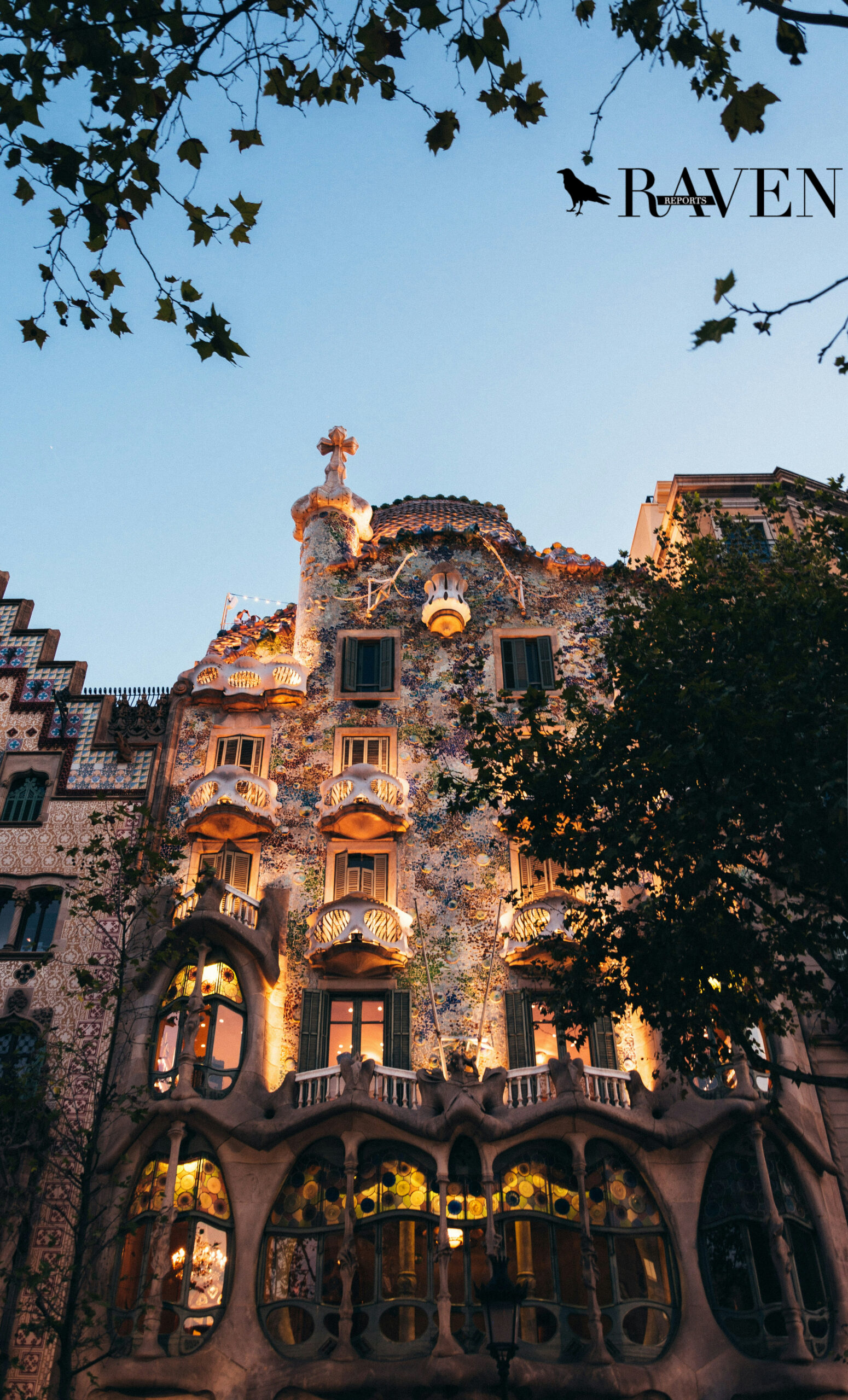
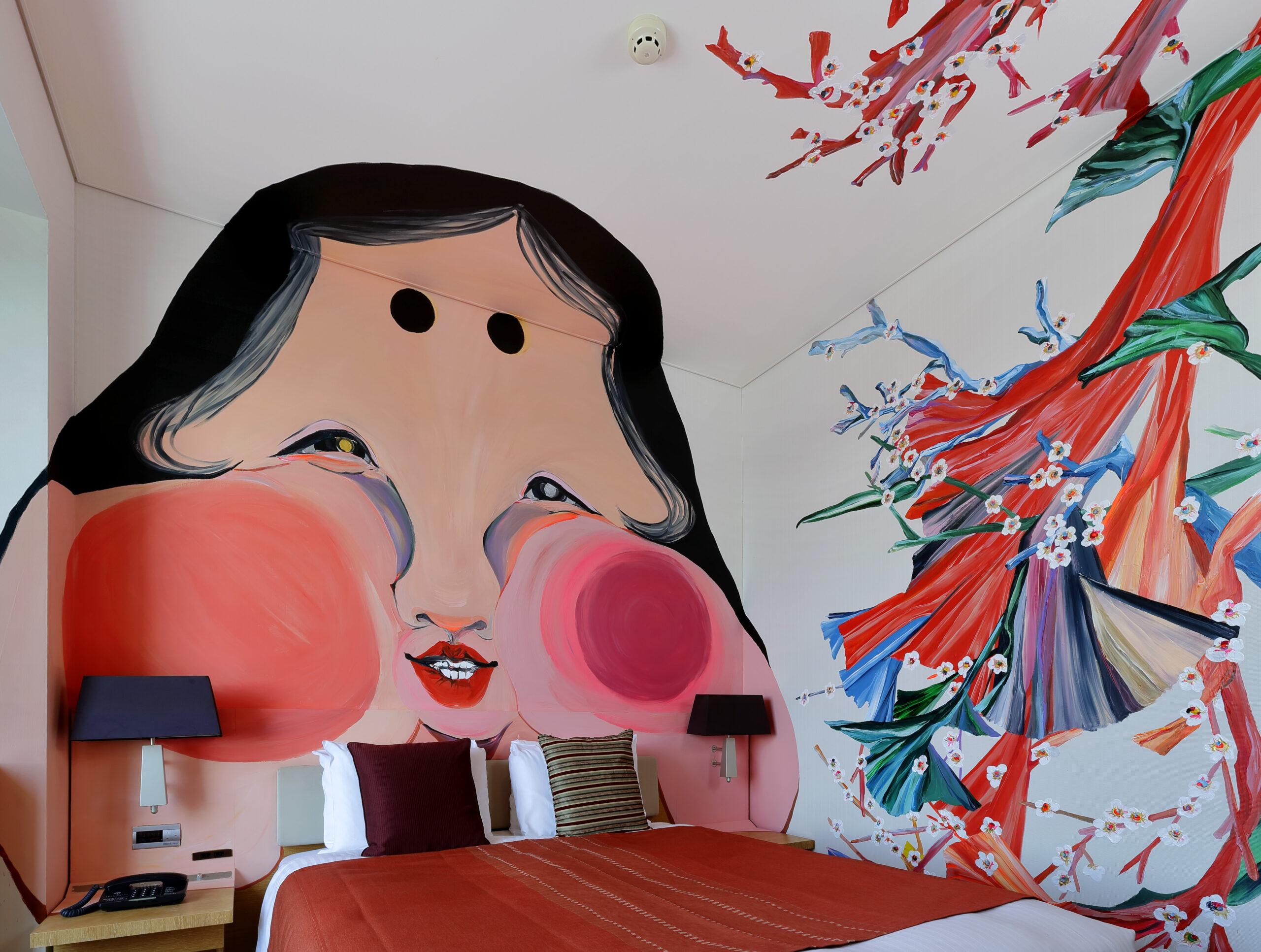
Today the hotel has 120 rooms and suites, pairing modern comforts with the classical character for which it is known. Among the most intriguing are the Art Suites, each inspired by a figure connected to the building’s history — Dalí, Miró, Josephine Baker, Ronnie Wood and César Ritz himself.
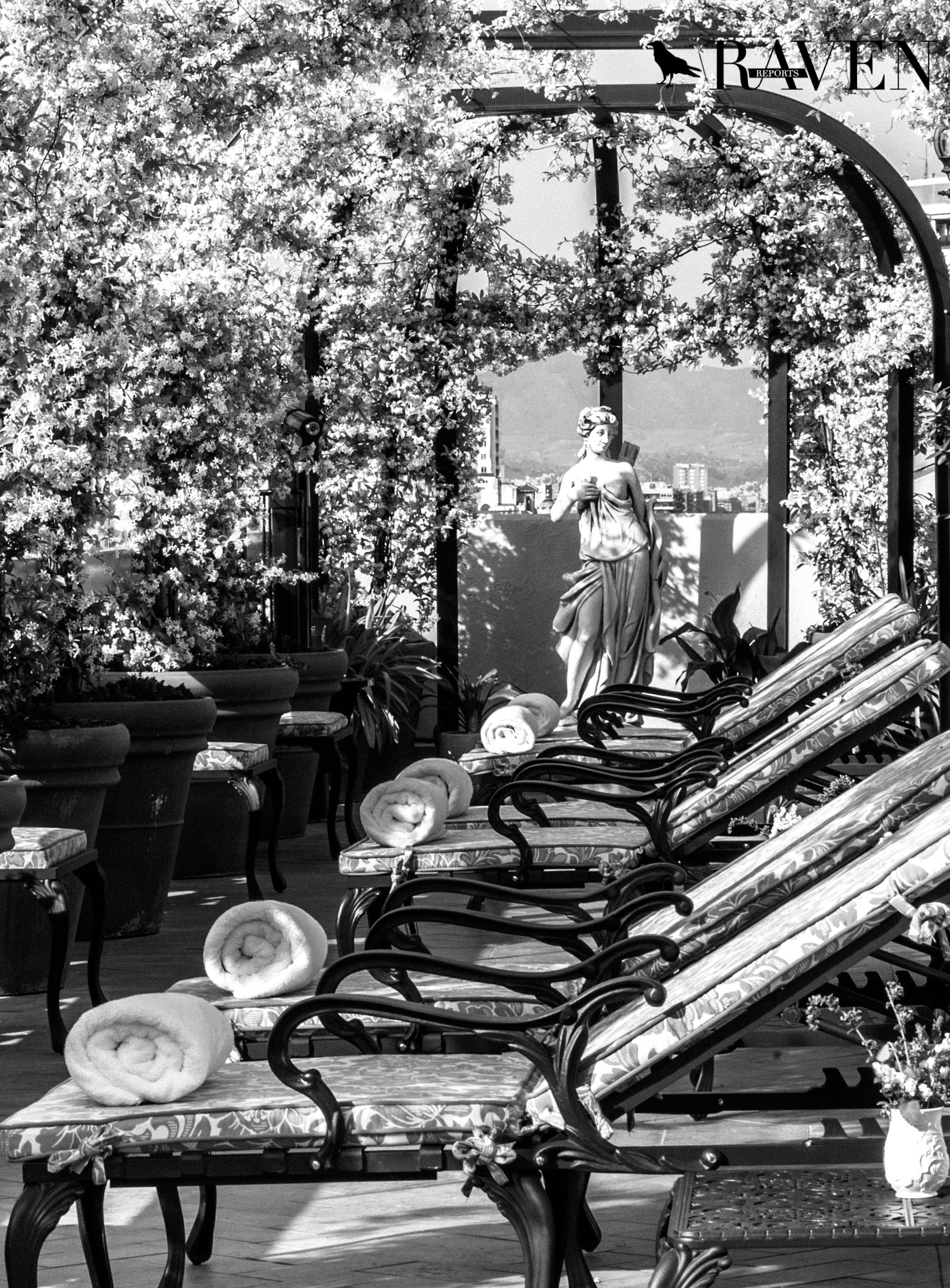
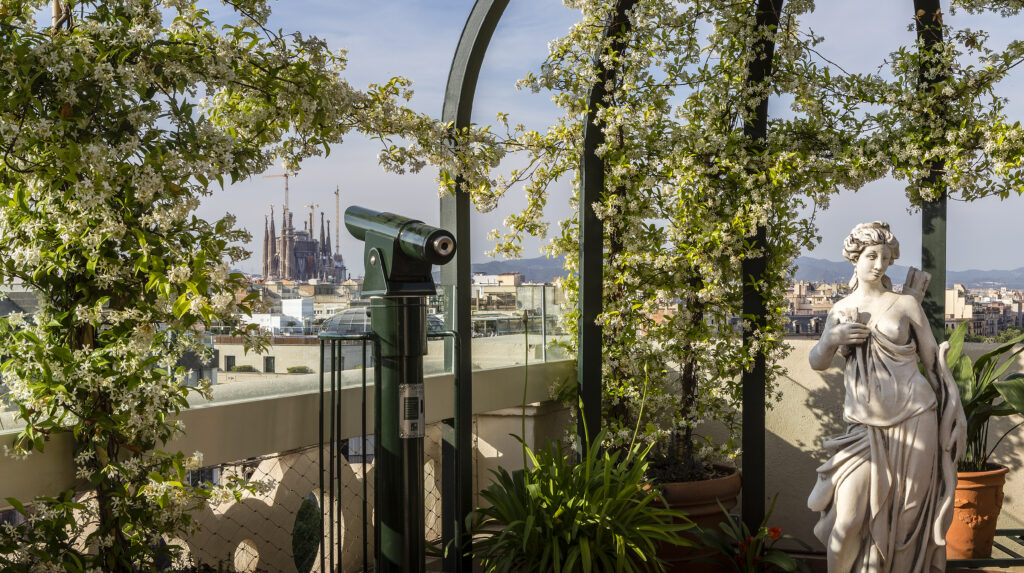
Then there is the rooftop. The 1,500-square-metre Rooftop Garden is the property’s more frivolous side: greenery, pergolas, a pool and panoramic views across the city. It is the sort of place that makes you wonder why you ever agreed to leave in the first place. Below: history. Above: cocktails and sunshine.
One can see why nobody is in much of a hurry to check out.
IV. The El Palace Experience
Old-school service, new-school appetite
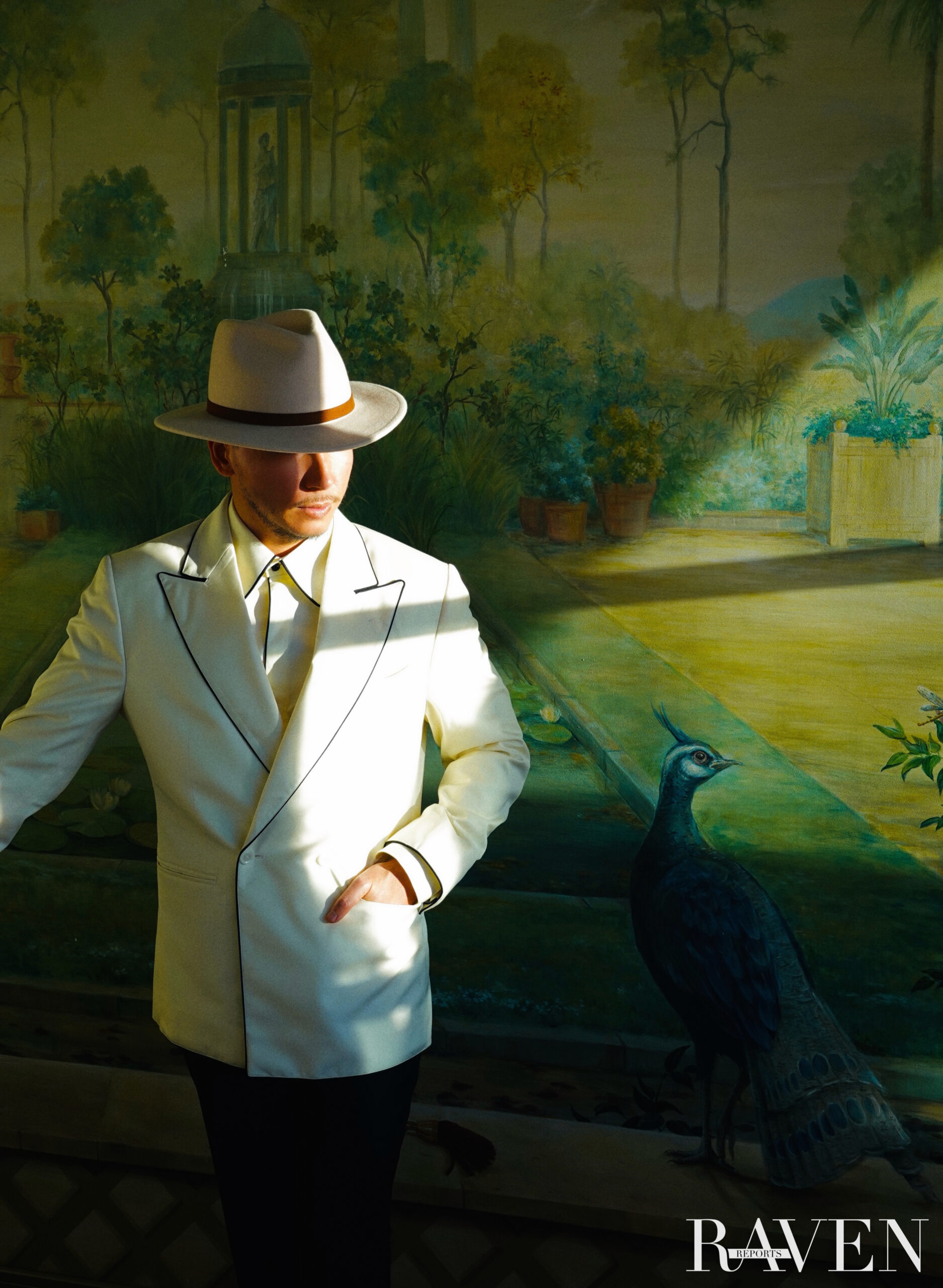
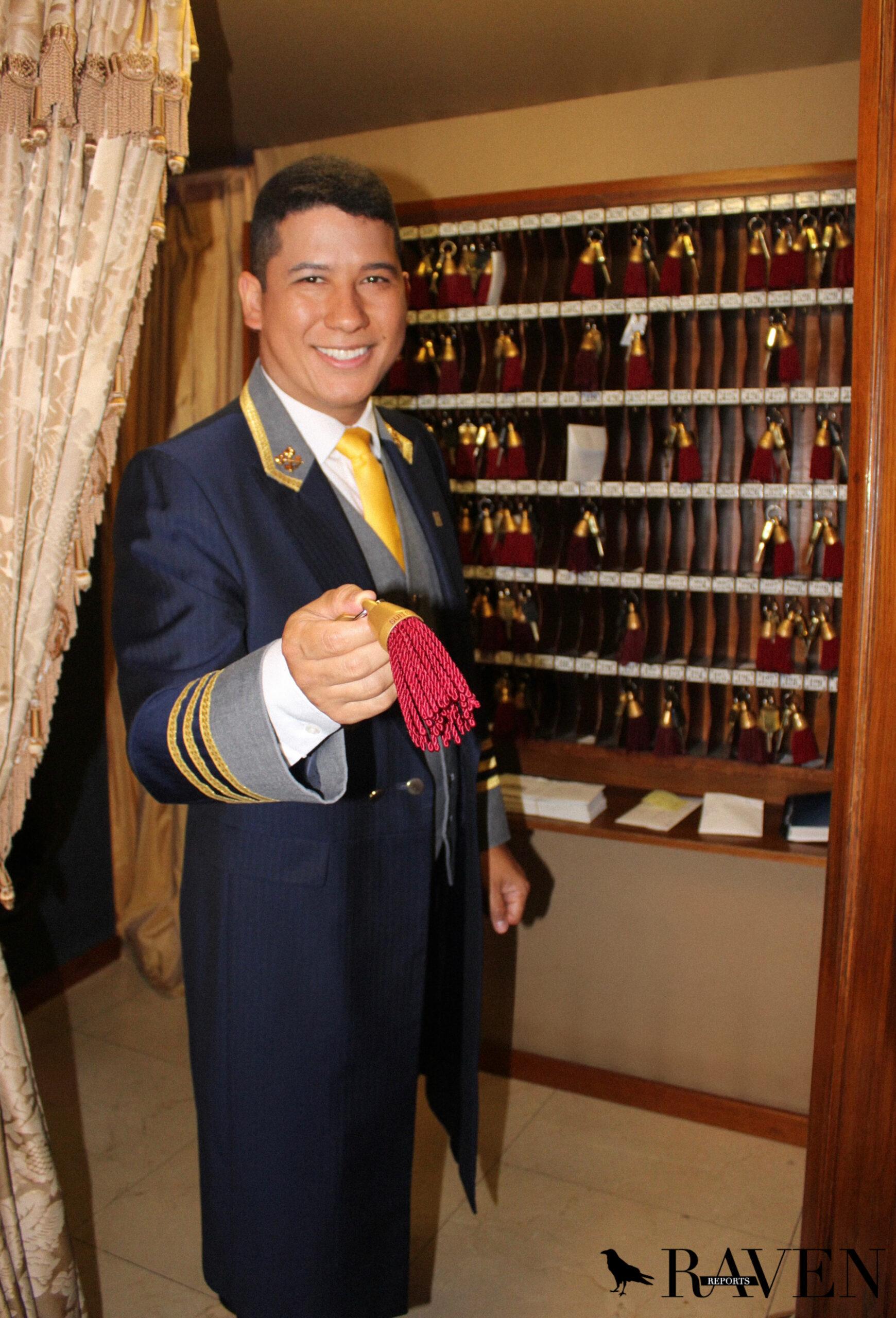
The great trick of a hotel like this is avoiding the museum-piece problem. There is history everywhere, but the experience is decidedly alive — 120 rooms and suites, attentive staff, and the sort of traditional hospitality in which someone seems to know what you need before you’ve quite decided you need it.
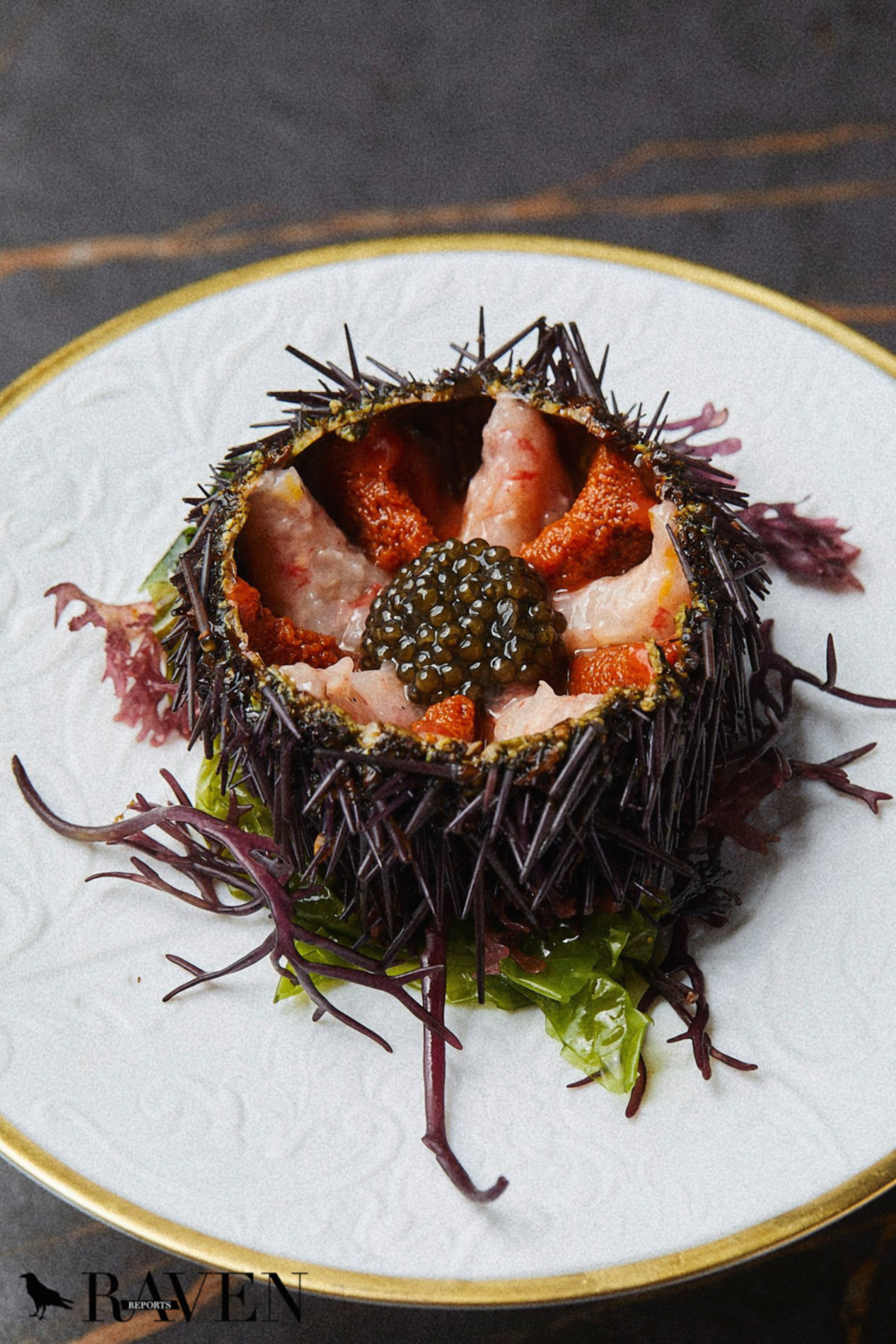
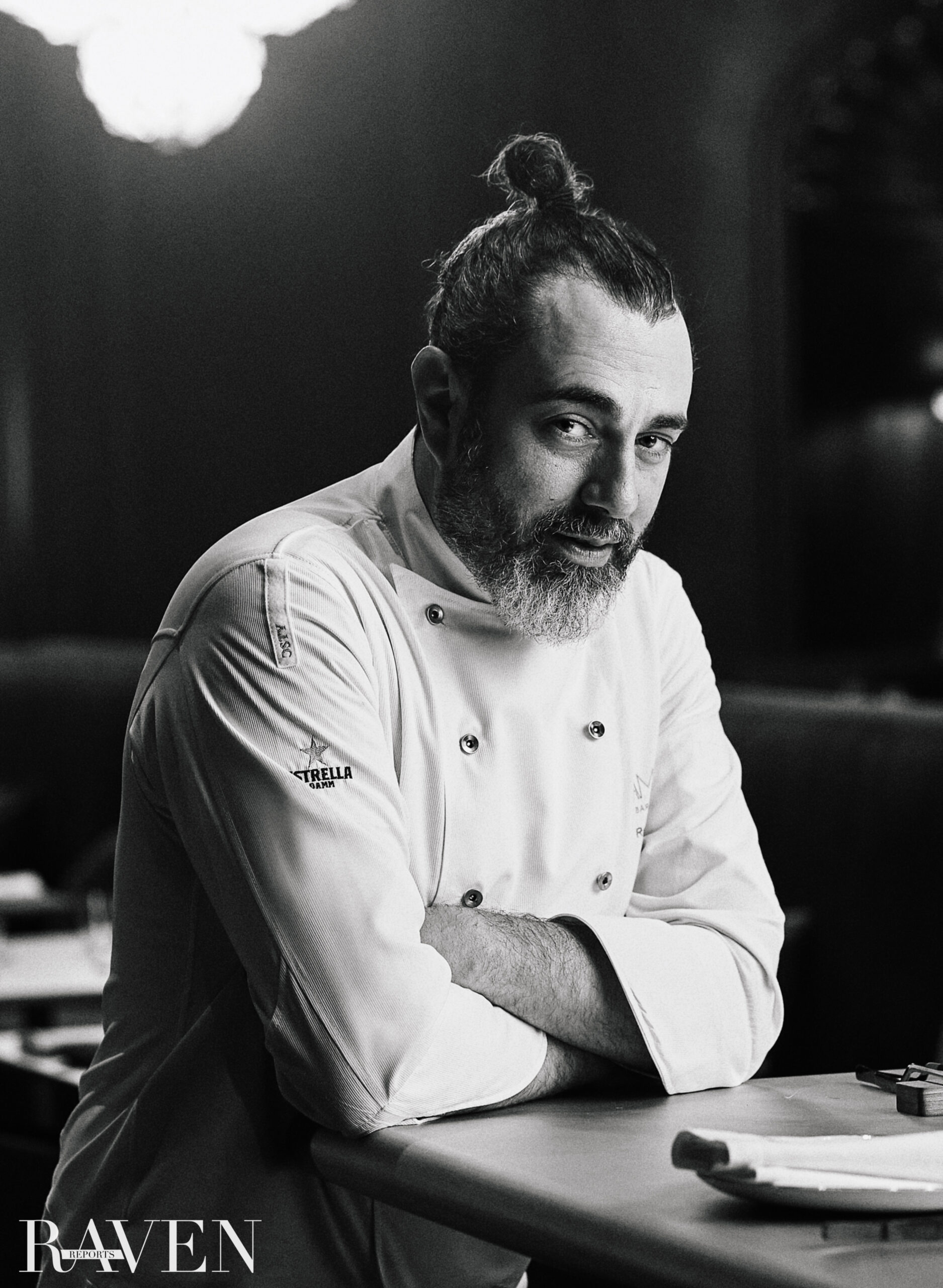
The dining is equally confident. At AMAR Barcelona, chef Rafa Zafra puts the Mediterranean — and its seafood in particular — firmly centre stage: produce-led, polished, and unapologetically indulgent, a more contemporary read on luxury than the grand surroundings might suggest.
For something altogether more leisurely, there is El Jardín, the hotel’s indoor garden, where breakfast is served beneath greenery and Parisian-inspired black-and-white detailing. Then, once the sun goes down, there is Bluesman Cocktail Bar, with live music and the kind of atmosphere that suggests the evening has other plans for you.
And perhaps that is El Palace’s greatest charm: it doesn’t ask you to choose between past and present. It gives you both — a hotel born as the Ritz Barcelona, carrying more than a century of history, yet still perfectly capable of ordering another cocktail, turning up the music, and staying out rather later than intended.
If these walls could speak, they probably wouldn’t.
But they might raise an eyebrow.
By: Chris Flanagan